Stocks, bonds and bitcoin sell off as Middle East conflict intensifies
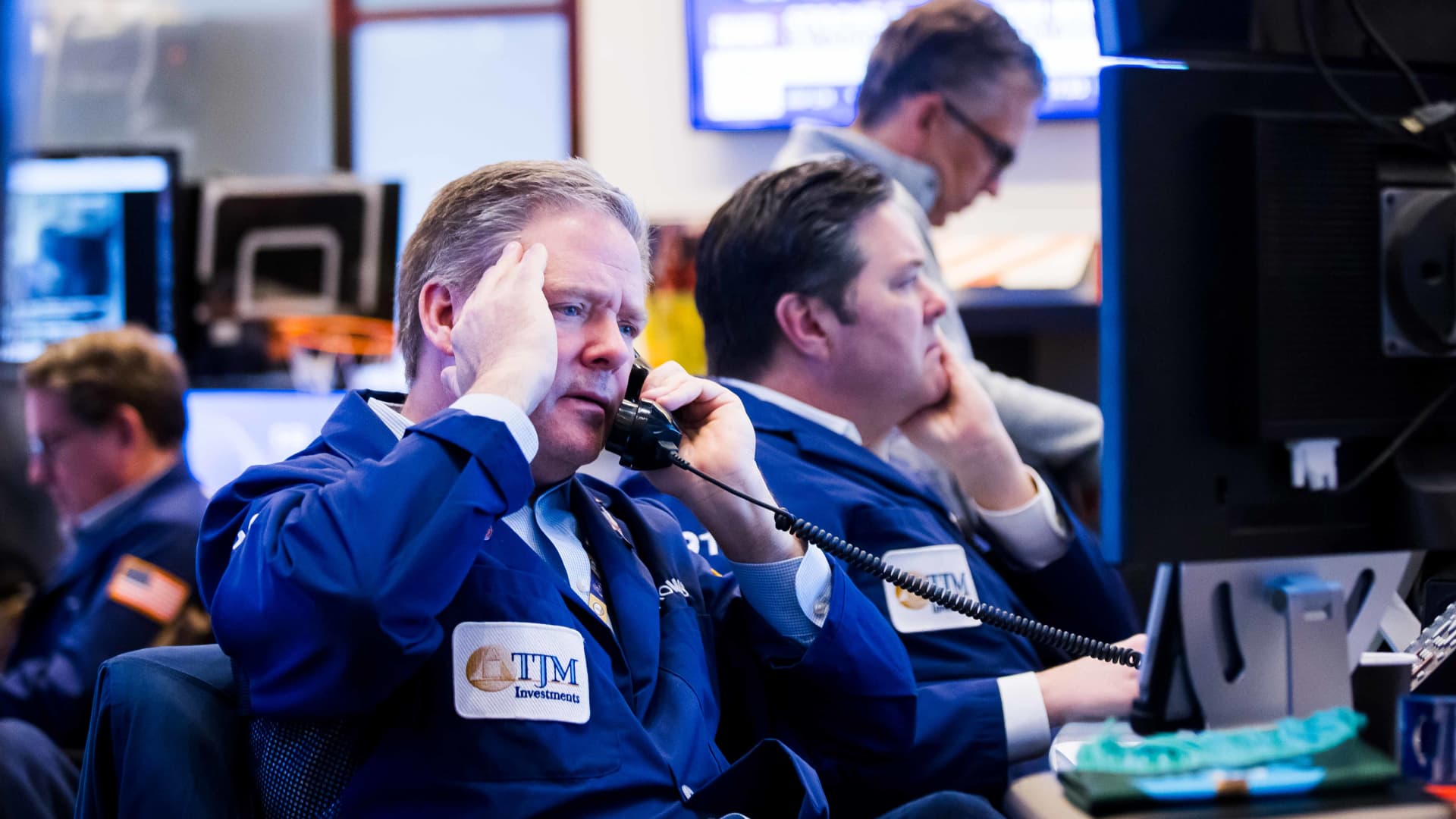
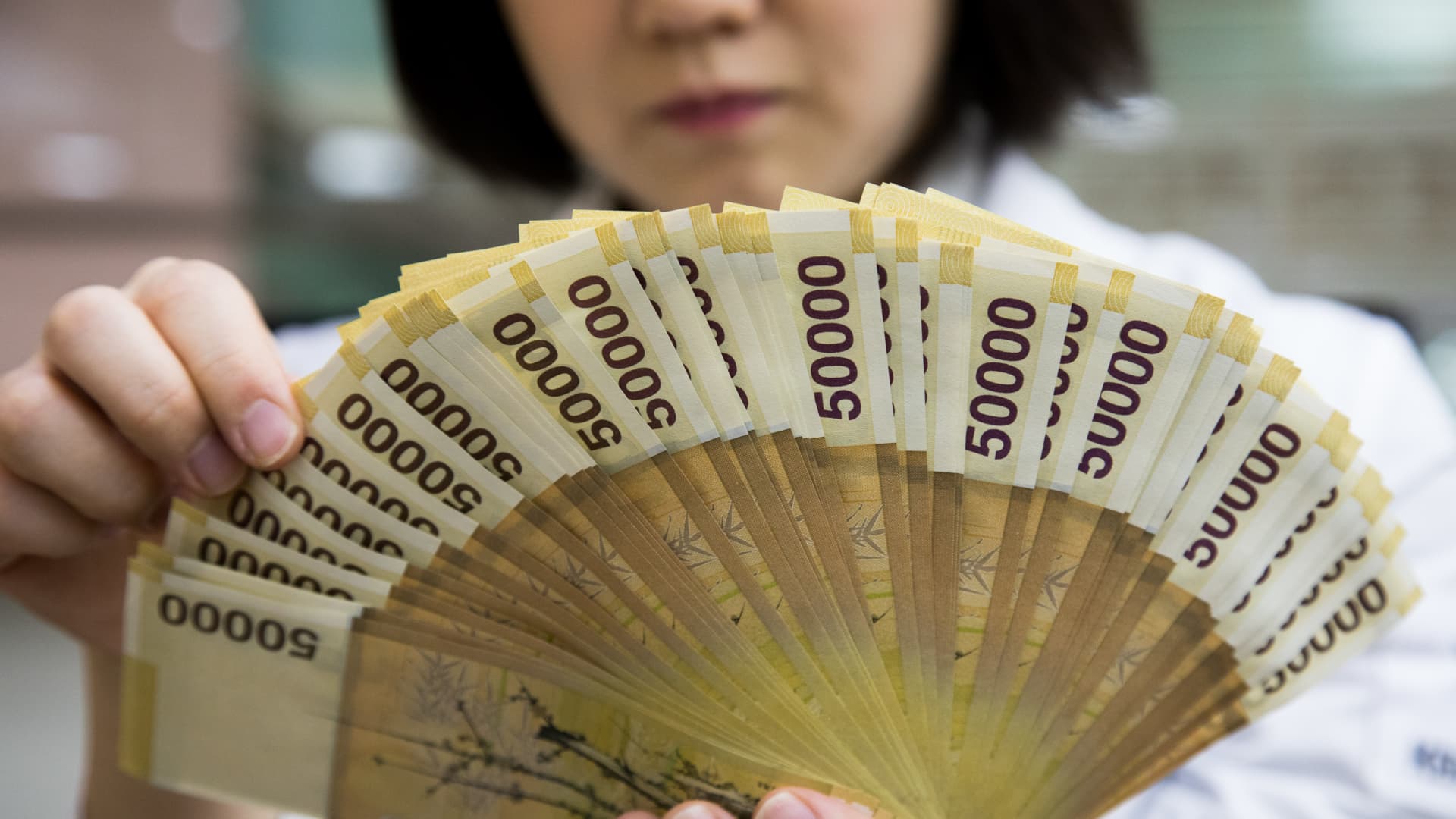
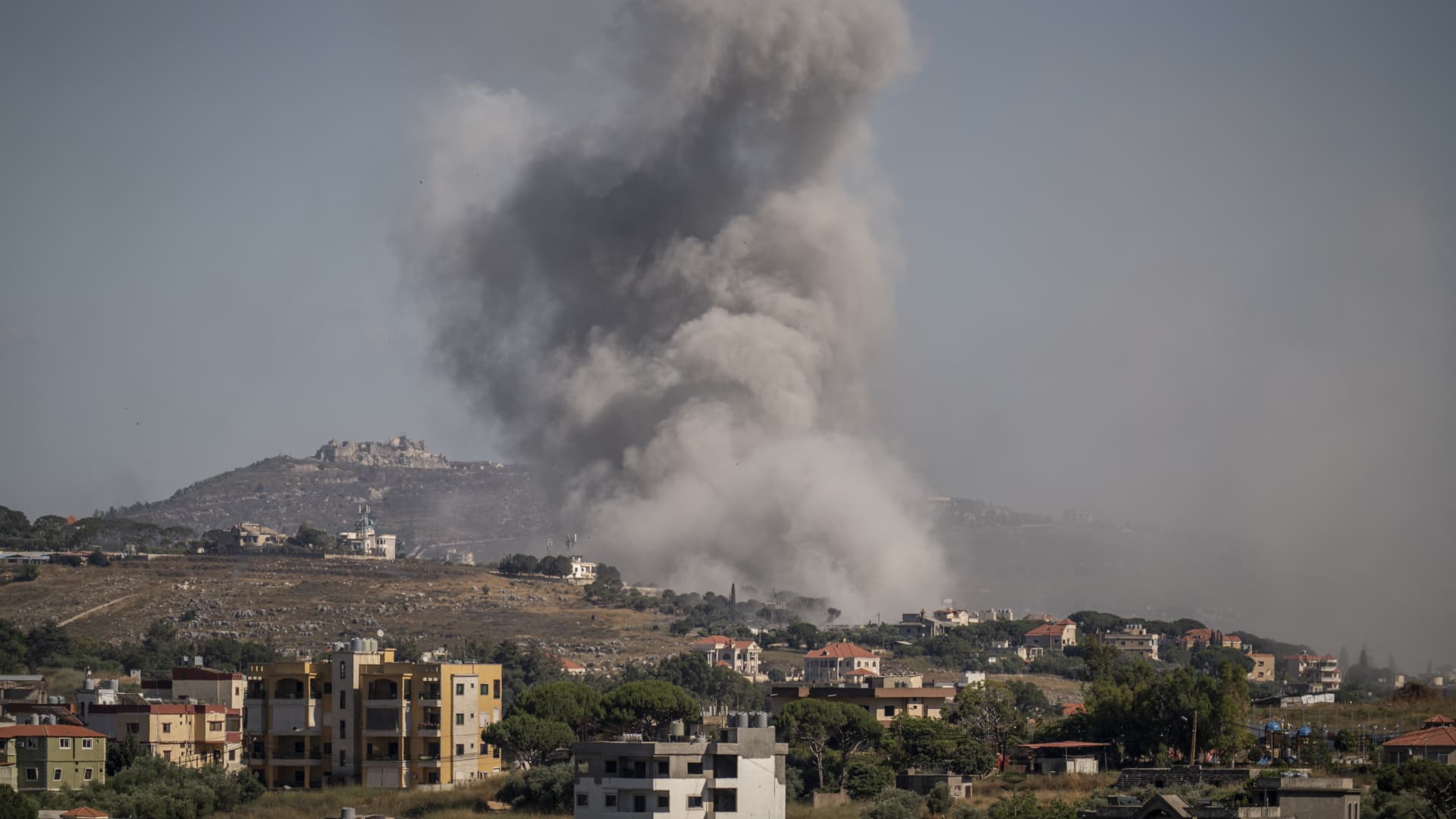
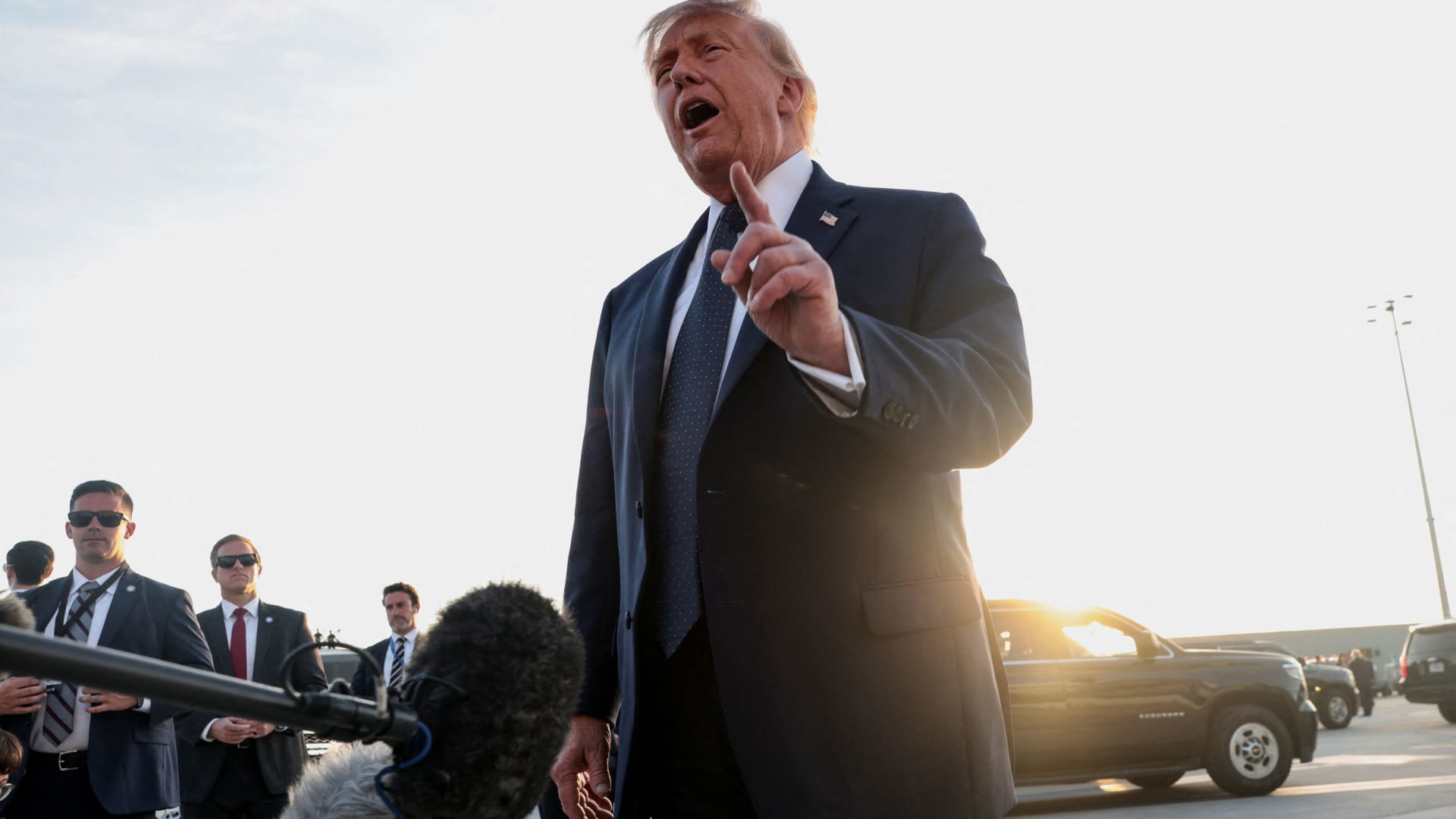
Assets from stocks to bonds sold off across the globe on Tuesday, as the intensifying conflict in the Middle East fueled risk-off sentiment. It came as the U.S.-Iran war entered its fourth day , marked by more missile and drone strikes across the region and a warning from U.S. President Donald Trump that the conflict could stretch beyond the four weeks he had initially envisaged. Global stocks sold off on Tuesday, largely extending losses seen the previous day. The pan-European Stoxx 600 index fell more than 3.2% during early afternoon deals, building on the previous day’s decline of 1.6%. Stocks sold off across the board, with shares in the region’s banking, insurance and retail sectors all down more than 4%. .STOXX 5D line Stoxx 600 price In Asia, indexes ended the trading session in negative territory , with South Korea’s Kospi notching its worst day in 19 months on a 7% pullback. Japan’s Nikkei 225 was 3% lower, while the Shanghai Composite fell 1.4%. On Wall Street , the picture also looked negative ahead of the opening bell, with futures tied to all three major averages moving lower. Outside of equity markets, government bonds were also gripped by the sell-off. By midday in London, yields in Japan, Switzerland, Australia, the U.K. and Germany had moved notably higher. U.S. Treasury yields also jumped across the curve, with the 10-year Treasury’s rising by 5 basis points. Treasury yields at the shorter end of the curve saw sharper upward moves, with 2- and 5-year Treasury yields each gaining around 8 basis points. Bond yields and prices move in opposite directions. Haig Bathgate, CEO of Callanish Capital, told CNBC’s ” Europe Early Edition ” on Tuesday that markets could soon stabilize after the initial shock of the U.S.-Iran conflict. “What markets hate more than anything is uncertainty, and we’re at that maximum point of uncertainty, so people are trying to reposition books,” Bathgate said, calling Monday and Tuesday’s drawdowns a “classic de-risking” that could be short-lived. “Then people become a bit more rational once more information comes out, and once they get a sense of what’s actually going to happen,” Bathgate said. “We really didn’t know what was going to happen at the weekend, and it was sort of spreading all across the Middle East even into places like Dubai, so I think now people can become more and more discerning the more and more information that comes out.” Bathgate said European bond yields had been particularly hard hit following the escalation of the conflict thanks to the region’s historic underinvestment in its own security — and a U.S. push for the continent to take more responsibility for its own defenses. “Those who have slightly weaker economies — the U.K. for example — one thing is very clear, all of this geopolitical risk is going to lead to a necessity to increase localized defense spend,” Bathgate said. “A lot of European nations weren’t even aware of what the U.S. and Israel were planning, and that means more and more so they’re going to have to fund their own military spend and defense.” Forex fallout The foreign exchange market was also volatile on Tuesday. The U.S. dollar edged higher, with the dollar index adding around 0.9% by 9:30 a.m. ET. The British pound , Australian dollar and the euro moved lower against the greenback, alongside the safe haven Swiss franc and Japanese yen . Emerging markets currencies like the Brazilian real , Mexican peso and Indian rupee posted notable losses versus the dollar. Cryptocurrencies also came under pressure, with bitcoin shedding 3.2% to trade at $66,824. The broad sell-off came as oil prices continued to spike. Brent crude , the global benchmark, jumped almost 9% to around $84.50 a barrel, while West Texas Intermediate oil was last seen more than 8% higher. But as the uncertainty around the U.S.-Iran conflict continued to ripple through markets, some strategists told CNBC the sell-off could be short-lived. In a Tuesday morning note, Henry Allen, a macro strategist at Deutsche Bank Research, said the oil market could hold clues for investors on how deep the market rout may be. “If we purely look at the moves so far, the [oil price] increase doesn’t compare to some of history’s bigger crises like 2022, the Gulf War, or the 1970s oil shocks,” he said. Allen added that sustained S & P 500 drawdowns driven by oil shocks historically required one of three coinciding conditions, none of which had yet been met. They were an oil price spike of at least 50% sustained over several months, a shock big enough to tip the economy into recession or cause a meaningful slowdown, or a sharp, hawkish pivot from central banks to fight the inflation arising from elevated oil prices. “We are yet to see an increase in oil prices above +50%, let alone one that is sustained,” he said. “We are yet to see a meaningful data deterioration, although that would take some weeks to become apparent. And we are yet to see markets price in rate hikes from major central banks like the Fed and the ECB. Those will be the crucial questions for the days ahead.” Paul Surguy, head of investment management and proposition at Kingswood Group, told CNBC that although investors and lawmakers appear to be lengthening their time horizon for the conflict, the general assumption is still that it will last no more than a few weeks. “History definitively says that the impact of most geopolitical shocks tends to be quite short-lived and that any medium/long-term investor is better off maintaining positions rather than running for cash,” he said. “Market moves, such as those we witnessed last April and subsequent swift market rebounds, have got even quicker these days — increasing the risk that any portfolio moves designed to capitalise on the current volatility may well just lead to one being whip-sawed.” Brief disruption? UBS strategists, meanwhile, said their base-case scenario is that there will only be a brief disruption to the global supply of energy. “We expect the current spike in the price of oil to reverse, at least partially, once it becomes clearer that transit disruptions are likely to prove temporary, most critical oil infrastructure remains intact, and the imperative for continued military action fades.” In this scenario, they said, markets may prove volatile over the coming weeks, but would likely then start to refocus on positive global economic fundamentals. “This would be in line with the impact of most geopolitical shocks in recent history,” they said. Michael Field, chief equity strategist at Morningstar, told CNBC via email on Tuesday that although markets had accepted a certain level of geopolitical risk as standard over the last few years, investors were taking the situation in the Middle East day by day. “Holding cash reserves and deploying as opportunities arise is probably the best action during the current drama,” he said. “After the spike in oil and energy shares, we see the oil majors on both sides of the Atlantic, and all the European energy stocks under coverage as fairly valued, and in some cases overvalued. For investors without cash reserves, a slow sale of these names could free up cash to deploy on names that have fallen heavily over the last few days.”
<