
Vast wraps $500M round as company vies for NASA space station contract
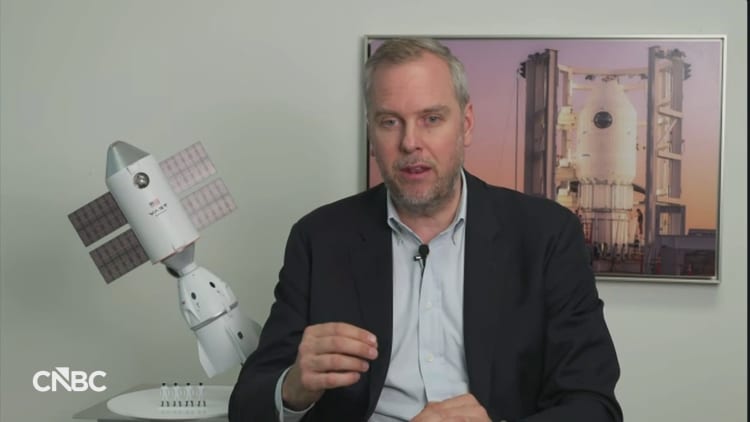

Vast missed out on the first round of NASA awards for the next International Space Station, but that isn’t stopping the company from going all in on stage two.
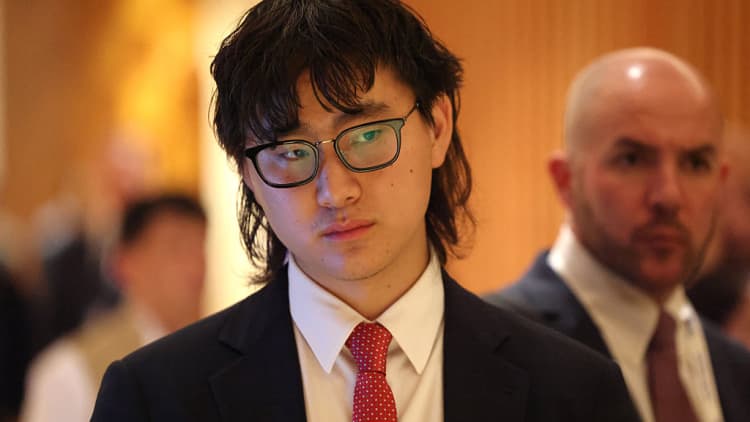
CEO Max Haot told CNBC’s Morgan Brennan this week that the company is betting on its “leapfrog strategy” and planning to build and launch a successful space station to prove its capabilities.
“If we do all of that, or are on the way to do that, I think it will be impossible to ignore for NASA in terms of the hardware that we have,” he said.
Vast, which was founded in 2023, after the first ISS contract awards, is preparing to launch its Haven-1 commercial space station next year. The company announced a $500 million funding round Thursday led by Balerion Space Ventures, with participation from Qatar’s sovereign wealth fund. Last month, the company was also selected for NASA’s sixth private astronaut mission to the ISS.
The funding round comes during a critical time for space investing ahead of a possible mega initial public offering from SpaceX this year. This week, another startup, Sierra Space, closed a $550 million funding round, and both SpaceX and Rocket Lab had launches.
Investors have been pouring more money into space technology as President Donald Trump sets his sights on returning the U.S. to the moon for the first time in 50 years. At the same time, private companies are racing to build components to support an ISS alternative ahead of its 2030 retirement.
Congress is also working to allow NASA to operate the ISS until 2032.
After months of leadership uncertainty, NASA finally secured Jared Isaacson as its administrator a year after Trump first nominated the private astronaut and Elon Musk ally.
Under his direction, the space agency has launched a massive overhaul of its Artemis moon program, which has been plagued by launch delays and safety concerns as the U.S. races to build a long-term presence on the lunar surface.
“We haven’t forgotten our history books, but right now, the way we’re doing things, launching missions every three and a half years and making giant leaps, going from around the moon to landing on, it is not going to work,” Isaacman told Brennan at a16z’s American Dynamism summit this week.
Haot, who aims to build Vast into the top maker of human habitats in space, is also betting on partnerships with Europe and Japan and achieving profitability through a low-cost approach.
“We will be ready for the call to replace the ISS,” he said. “I believe we will be successful and maybe there’ll eventually be space for many more.”

<