
The Fed will give its latest monetary policy decision Wednesday. How to trade it
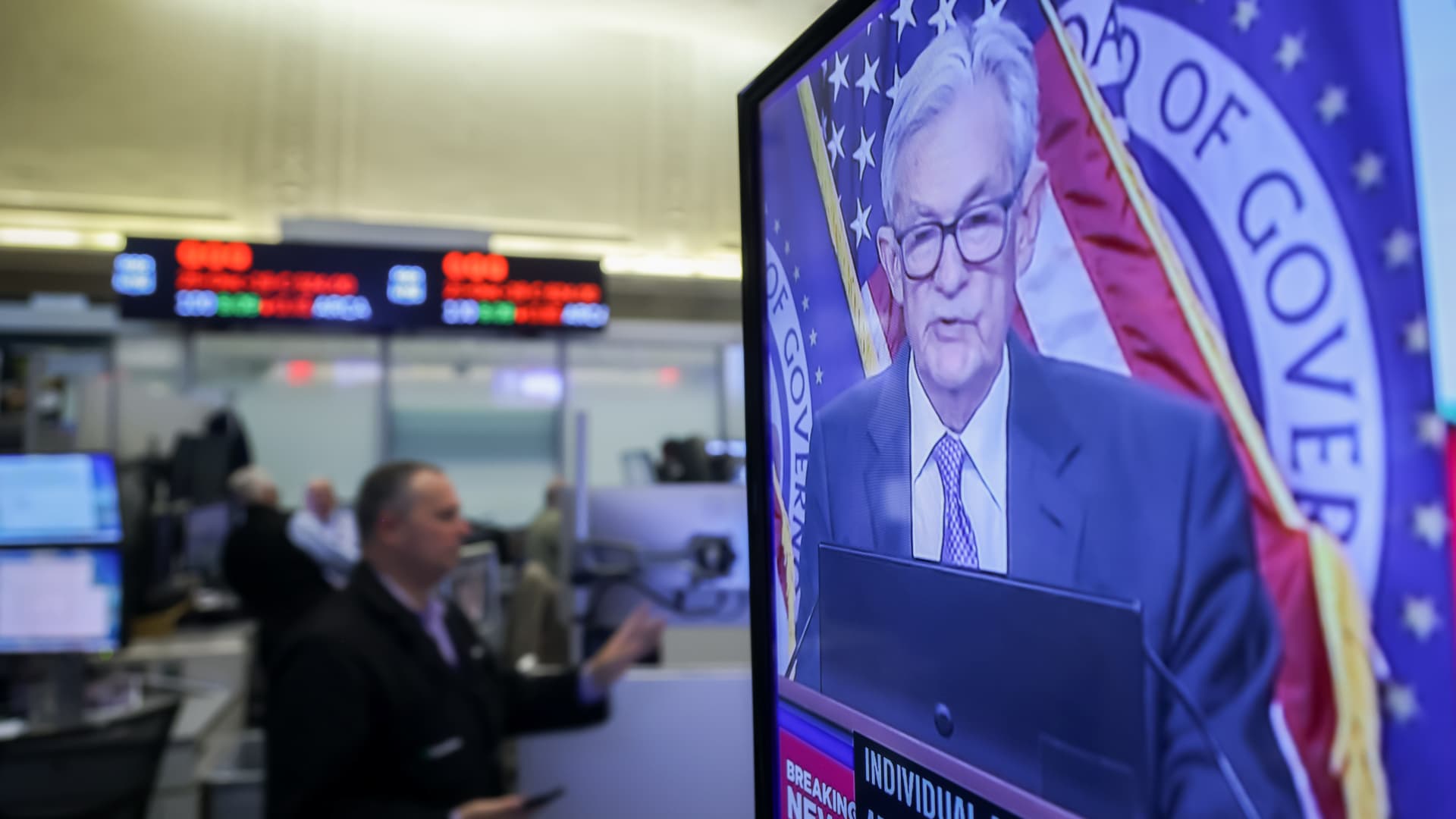
No rate cut at the Federal Reserve’s latest meeting is the consensus, but the tone of Chair Jerome Powell’s news conference after the decision on Wednesday is an unknown factor and could have major market implications. “If Powell starts to emphasize that inflation is a risk or any sort of mention of that could have a significant impact on the bond market,” said Ben Emons of FedWatch Advisors. “If you have long maturity bonds in your portfolio you want to pay attention because those may go higher.” Emons believes a hawkish tone would be better received than a dovish tone with the markets assessing the impact of the Iran conflict. “Rate hikes would be viewed as more positive for the market,” said Emons. “I think they are going to be really careful about characterizing this oil shock as a transitory effect on inflation because of the painful lesson they learned when they said the pandemic and the supply chain shock were transitory.” Buying dips ahead of the decision “I would buy the IGV ,” said Barbara Doran of BD8 Capital about the iShares Expanded Tech-Software Sector ETF. “We aren’t going to know for a while which firms really successfully incorporating AI, all these companies are including AI. So, I think it’s an interesting risk reward.” Doran added she sees opportunities in international equities that have fallen more than U.S. equities during the Iran conflict, citing the Kospi that has fallen more than 5% since the conflict started compared to the S & P 500’s more than 2% decline. “I’m looking at IWM ,” said Devon Drew CEO of Asset Link, referring to the iShares Russell 2000 ETF. “Small Caps carry the most floating rate debt so they are the first to reprice on any dovish signal.” The fund is down 4.4% this month. IWM mountain 2026-03-02 IWM in March Drew added he sees opportunities in financials that have fallen harder than the broader market since the Iran conflict began and a clear winner in a dovish regime. “Net Interest Margin expansion, funding costs fall, I think you play that with a KRE (State Street SPDR S & P Regional Banking ETF).” Positioning for protection “Because there is so much uncertainty in the current environment and so much headline risk, we’ve actually added an asset class to our allocation for clients with buffered ETFs,” said Brian Joyce, CEO of Lighthouse Investment Group. “They essentially give our clients market participation with some downside protection.” Joyce said the BALT Innovator Defined Wealth Shield ETF is one of his top picks. “It gives you some sort of downside protection and the way bonds have performed over the last 5 years I feel like a buffered ETF can fit in that bond sleeve of your allocation.” BALT is only down 0.7% in March. Steve Sosnick of Interactive Brokers sees opportunities in bonds for investors looking for stay invested but minimize risk. “I think there is an opportunity for risk adverse investors or people looking to park excess funds,” said Sosnick citing the upside in yields including the 2-year Treasury that has moved nearly 30 basis points higher since the conflict began, “A simple way would be the [iShares 1-3 Year Treasury Bond ETF] which is a 1 to 3 year duration fund. If you feel like being risk averse, if you need mor clarity that has become an attractive place.”
<