Kuwait says Hormuz closure will trigger domino effect across the world
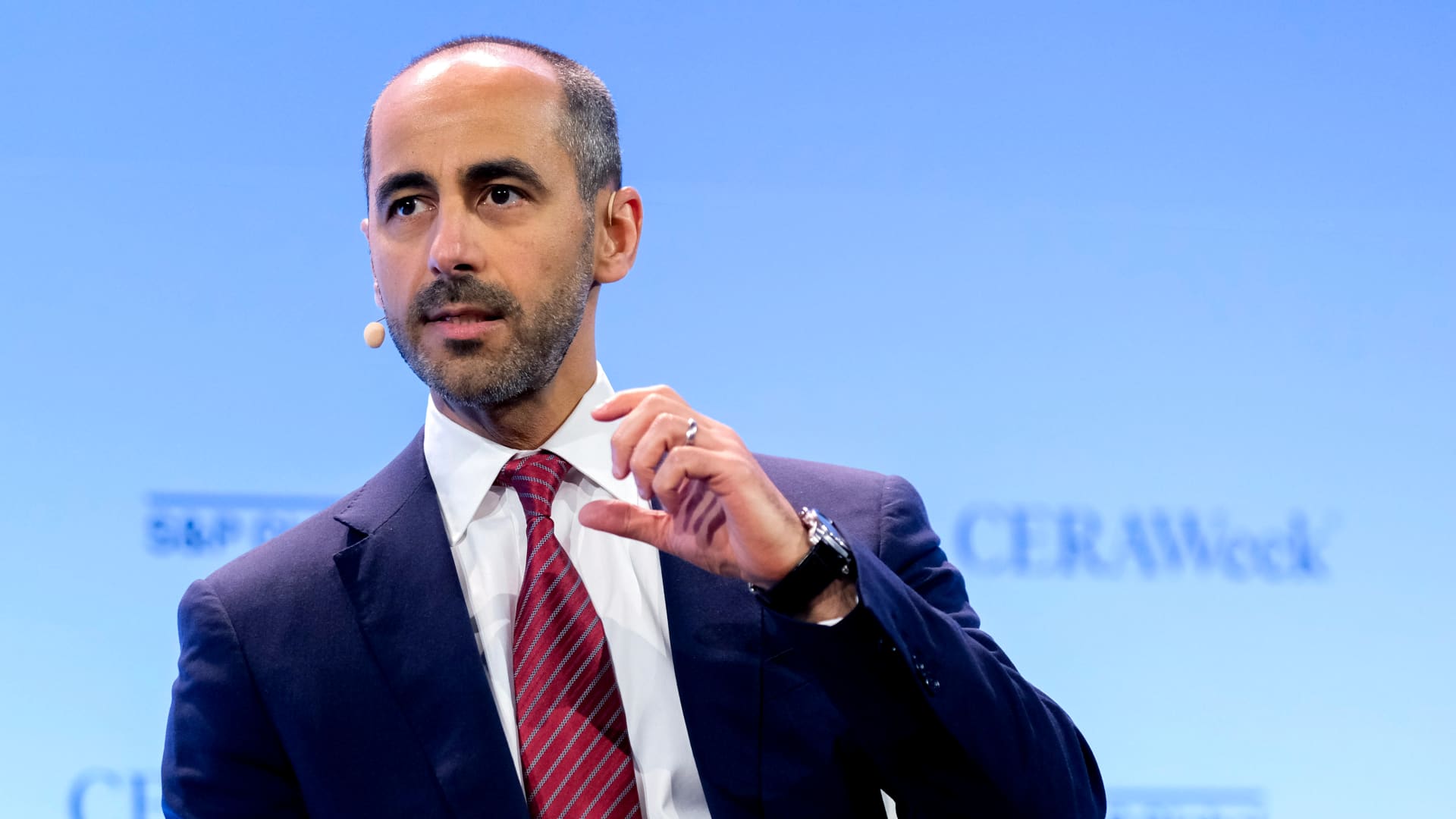
Sheikh Nawaf Al-Sabah, chief executive officer of Kuwait Petroleum Corp., speaks during the CERAWeek by S&P Global conference in Houston, Texas, US, on Tuesday, March 11, 2025.
F. Carter Smith | Bloomberg | Getty Images
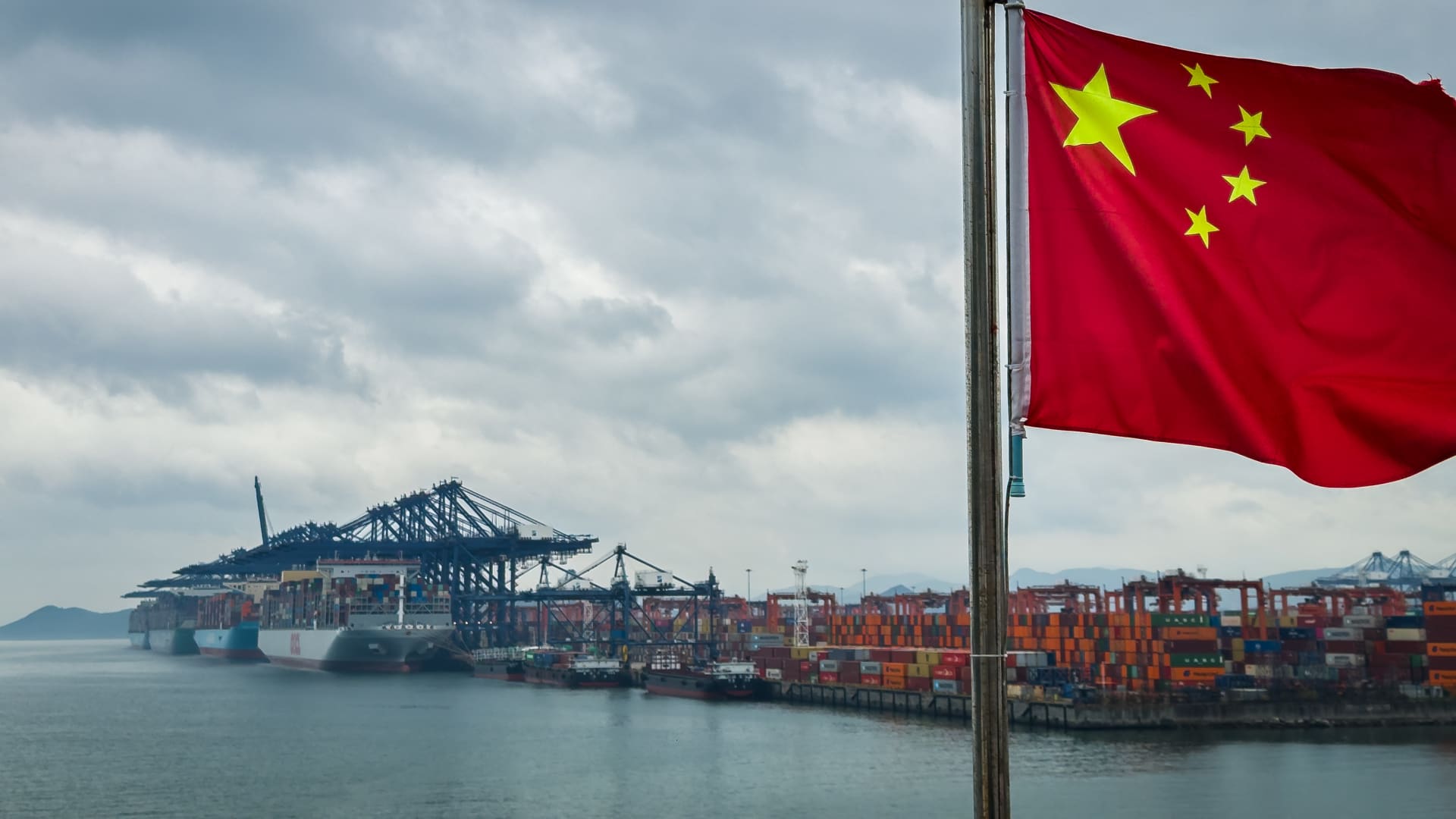
HOUSTON — Kuwait on Tuesday said Iran’s closure of the Strait of Hormuz amounts to an economic blockade of Gulf Arab oil producers, warning that the impact is beyond catastrophic and will trigger a domino effect across the world.
“We are outraged by this attack against us,” Shaikh Nawaf Al-Sabah, the CEO Kuwait Petroleum Corporation, told the oil industry at S&P Global’s CERAWeek energy conference in Houston.
“This is an attack not only against the Gulf, but it is an attack that is holding the world’s economy hostage,” said Al-Sabah, who delivered his remarks via video conference from Kuwait after cancelling his appearance in Houston due to the war.
Kuwait has declared a force majeure on its delivery contracts and ramped down oil production because it cannot export to the global market. KPC is only producing oil from domestic consumption right now, Al-Sabah said.
Saudi Aramco CEO Amin Nasser warned earlier this month that the Iran war would have “catastrophic consequences” for the world economy. Nasser understated the impact of the Strait’s closure, Al-Sabah said.
“It’s a domino effect,” Al-Sabah said. “The costs of this war don’t stay within geographical lines in this region. They extend all the way through the supply chain.”
It will take months for oil production in the Gulf to reach full capacity because Kuwait and its neighbors have shut oil wells, Al-Sabah said. Kuwait was producing about 2.6 million barrels per day prior to the war, making it the fifth-largest producer in OPEC.
“We have resilient reservoirs that bring out quite a bit of production immediately — within a few days,” Al-Sabah said. “The bulk of it will come within a few weeks and then the full production will come within three or four months.”
The emergency oil release by more than 30 nations in the International Energy Agency, including the U.S., will do little to address the supply shortfall, the CEO said. The 3 million barrels per day of emergency stocks do not compensate for the curtailments in Iraq, let alone those of Saudi Arabia and the United Arab Emirates, he said.
“There is no substitute for the Strait,” Al-Sabah said.
But the impact of the war extends far beyond oil and gas, the CEO said. The petrochemicals that produce plastics for food packaging will be in shortfall, which will make it difficult to transport food around the world, he said.
Fertilizer from the Gulf also cannot reach global markets just as planting season is set to begin in many parts of the world, Al-Sabah said. Some countries in the developing world could see a 50% reduction in their harvest compared to prior years, he said.
Tanker and cargo traffic through the Strait, which connects the Persian Gulf to the world, has plummeted due to Iran’s attacks on commercial vessels. About 20% of the world’s oil supply passed through the waterway before the war.
Iran has launched a barrage of missile and drone attacks against the Gulf Arab countries. Those strikes came after the U.S. and Israel launching a massive wave airstrikes against Iran starting on Feb. 28.
Air raid sirens sounded multiple times early morning Tuesday in Kuwait as Iran launched ballistic missile attacks against civilian infrastructure, Al-Sabah said.
Iran has attacked refineries in Kuwait even though they are wholly owned by the kingdom, Al-Sabah said. The country’s social security administration was hit earlier this month in an attack, he said.
“This all puts to a lie what Iran has been claiming — that they are limiting their attacks only to American infrastructure in the region,” Al-Sabah said.
<