Goldman Sachs says traders have Fed outlook wrong as oil surge drives rate-hike fears
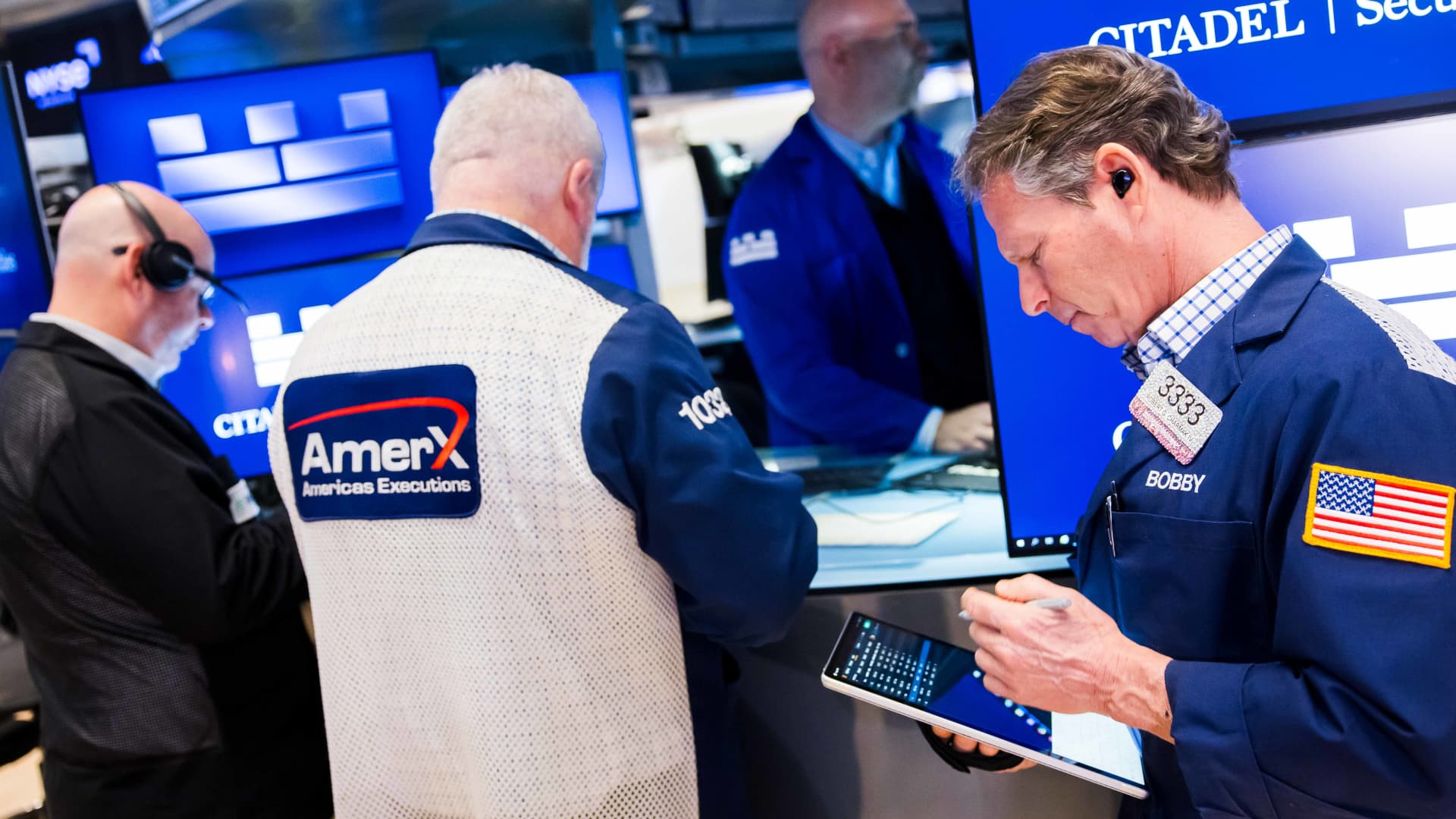
Investors are getting carried away with bets on higher U.S. interest rates, warning that markets are misreading how the Federal Reserve is likely to respond to an oil-driven inflation shock, according to Goldman Sachs. Traders have rapidly shifted expectations in recent days as surging energy prices, rising import costs and intensifying stagflation fears rattled global markets. At one point Friday, futures markets implied a greater-than-even chance that the Fed could raise rates by the end of 2026, according to the CME Group’s FedWatch tool. Those odds fell back to about 14% by Monday morning. “The market has priced a much larger hawkish shock than historical experience would suggest,” strategist Dominic Wilson wrote in a note. “We think the market is mispricing the policy distribution now, though the 1990 experience suggests the market could struggle to reverse that properly while oil prices are rising sharply.” The shift in expectations has been fueled by a surge in global Brent crude prices , which have climbed above $115 a barrel as the Iran war drags on, compounding inflation concerns already heightened by U.S. tariffs. The backdrop has prompted some investors to question whether the Fed might be forced back into tightening mode despite signs of slowing growth. @LCO.1 mountain 2026-03-02 Brent in March Goldman said history offers a cautionary parallel. During the 1990 oil supply shock — which shares similarities with the current environment — markets initially pushed yields sharply higher, pricing in a hawkish policy response. Ultimately, however, the Fed moved in the opposite direction, cutting rates as economic conditions deteriorated. “So we have precedent for the market leaning heavily on the risk of higher rates, and demanding a sizable risk premium, even though the Fed ultimately cut rates sharply in that episode,” the strategists said. President Donald Trump offered investors hope that an end to the war against Iran is drawing near. While the president added that “great progress has been made,” he also said that if a peace deal is not reached “shortly” and the Strait of Hormuz is not “immediately” reopened, the U.S. would attack key Iranian energy infrastructure. Crude prices ticked higher to start the week. Brent crude futures climbed 2% to above $115 per barrel. West Texas Intermediate futures were up 1% at above $101 a barrel.
<