
Gold’s portfolio role is in question, look elsewhere: Morgan Stanley
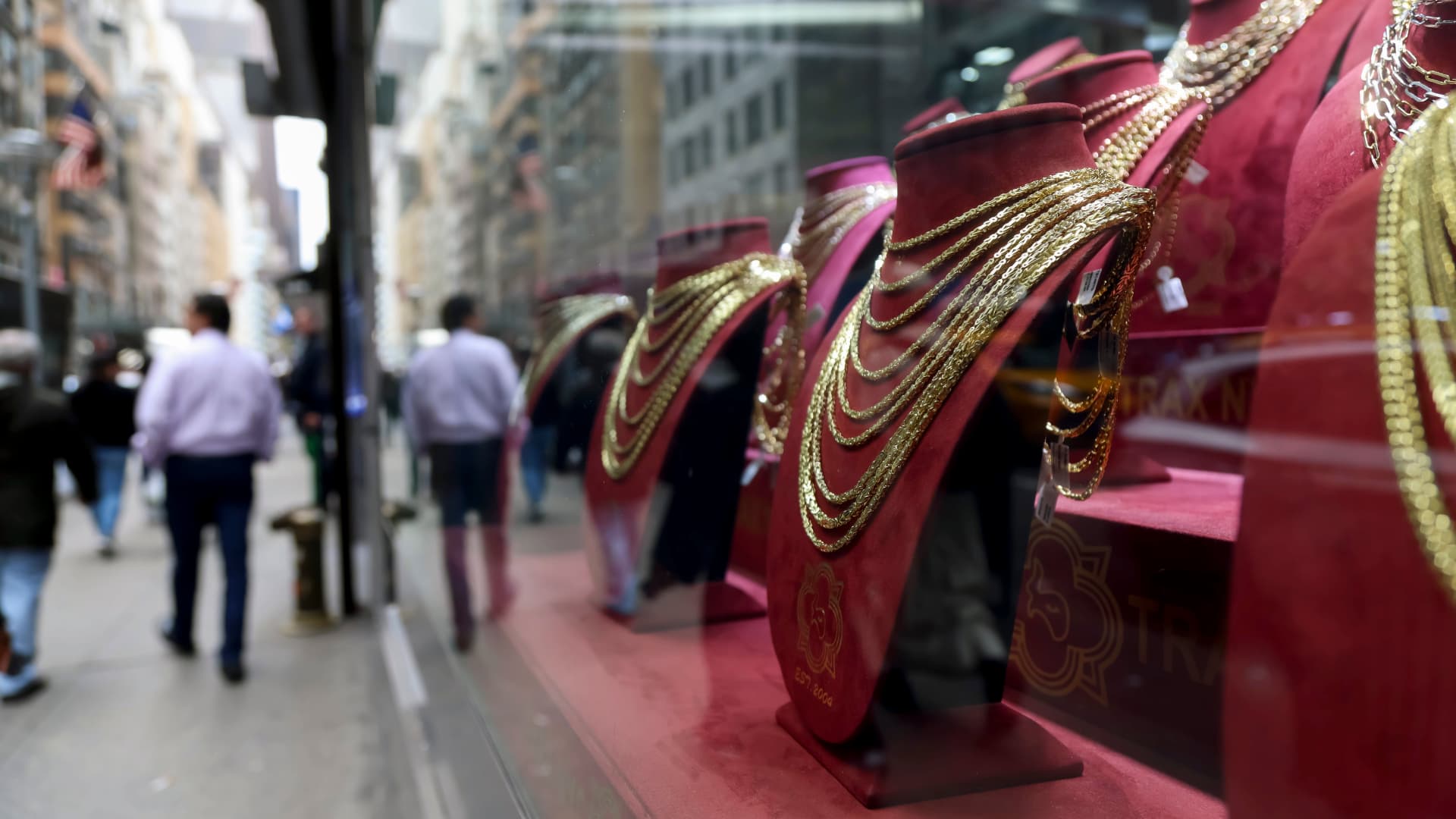
Gold’s conventional role as a portfolio risk management tool has been brought into question following a dramatic six-week period for commodity prices, according to Morgan Stanley — but its analysts see value elsewhere. The value of the precious yellow metal plummeted alongside most global asset classes at the outbreak of the Iran conflict. Gold remains roughly 7.8% down over the last month at $4,731.775 as of 6:02 a.m. ET on Thursday after a ceasefire-induced rally. “Gold is really acting like a risk asset and not really like a safe haven,” Amy Gower, metals and mining strategist at Morgan Stanley, told CNBC’s “Squawk Box Europe” on Wednesday. “Normally, it should be a diversifier in your portfolio, and that’s just not really been happening at the moment.” Gower conceded it is “normal to see a bit of weakness in gold” after a shock, as investors rush for liquidity, but she noted that prices are increasingly vulnerable to trades from large holders like central banks and ETFs. By contrast, silver “has had real reasons to rally” according to Gower, with the metal having added almost 150% over the last 12 months. “You had multiple years of [supply] deficits, and in precious metals, these deficits can stay hidden for a little while. When the financial element of that trade came through last year, there just wasn’t enough to go around,” she said. “The solar story has also been a big part of this, [with a] huge explosion in silver usage.” However, silver has fallen more than 11% over the last month and, at its current spot price of around $74 per troy ounce, it is well below the peak of above $100 seen in January. The move above $100 that we saw in January felt harder to explain on fundamentals alone; that is where that speculative element comes in, Gower said. “But what we are seeing is some real demand shifts now. Some of the large silver jewelry producers are looking to move away from silver towards things like platinum-coated jewelry. Price and volatility is driving a bit of a demand response.” The aluminum story Gower is particularly bullish on aluminum, which has seen its price rise sharply over the last month as markets feared a supply crunch linked to disruption in the Gulf . Aluminum is up by around 10.4% since the Iran war began, at $3,452.8 per tonne. “The story was already good. We had China saying it was no longer going to grow its aluminum supply [and] huge amounts of electricity [demand],” the strategist told CNBC. “[With the growth of] AI and data centers and that appetite for electricity, aluminium smelters are competing but they’re just not able to pay those same rates. So we already had a very tight market. Everything that’s happened in the last month adds to that story.” “We’ve actually now lost about 4% of global aluminum supply. And the thing with aluminum is it’s not quick to turn back on,” Gower said, noting that if the conflict ended tomorrow, or if we see some demand shock, aluminum could still be fairly well supported.
<