Investors are due a brutal wake-up call as economic reality sets in
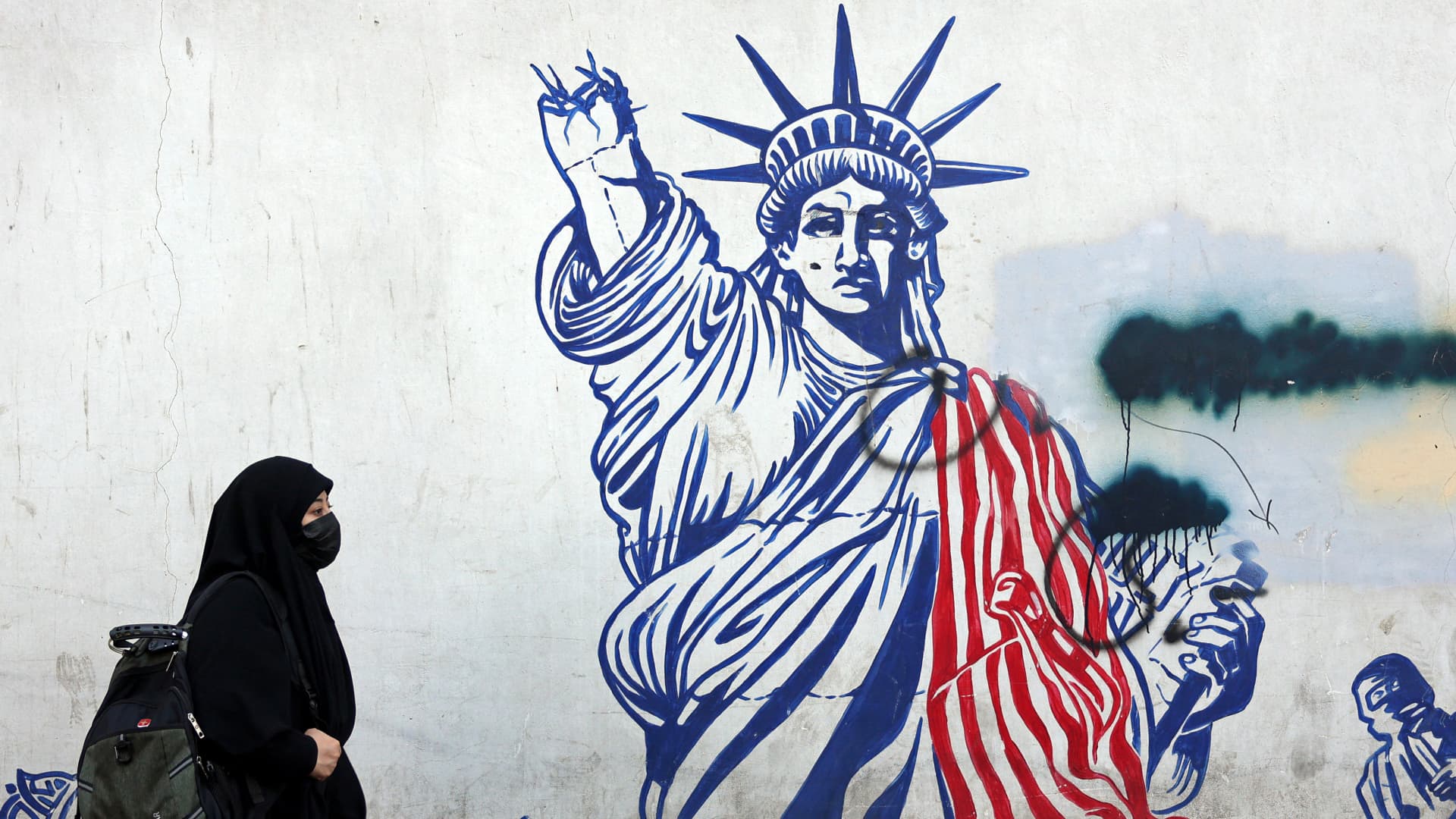
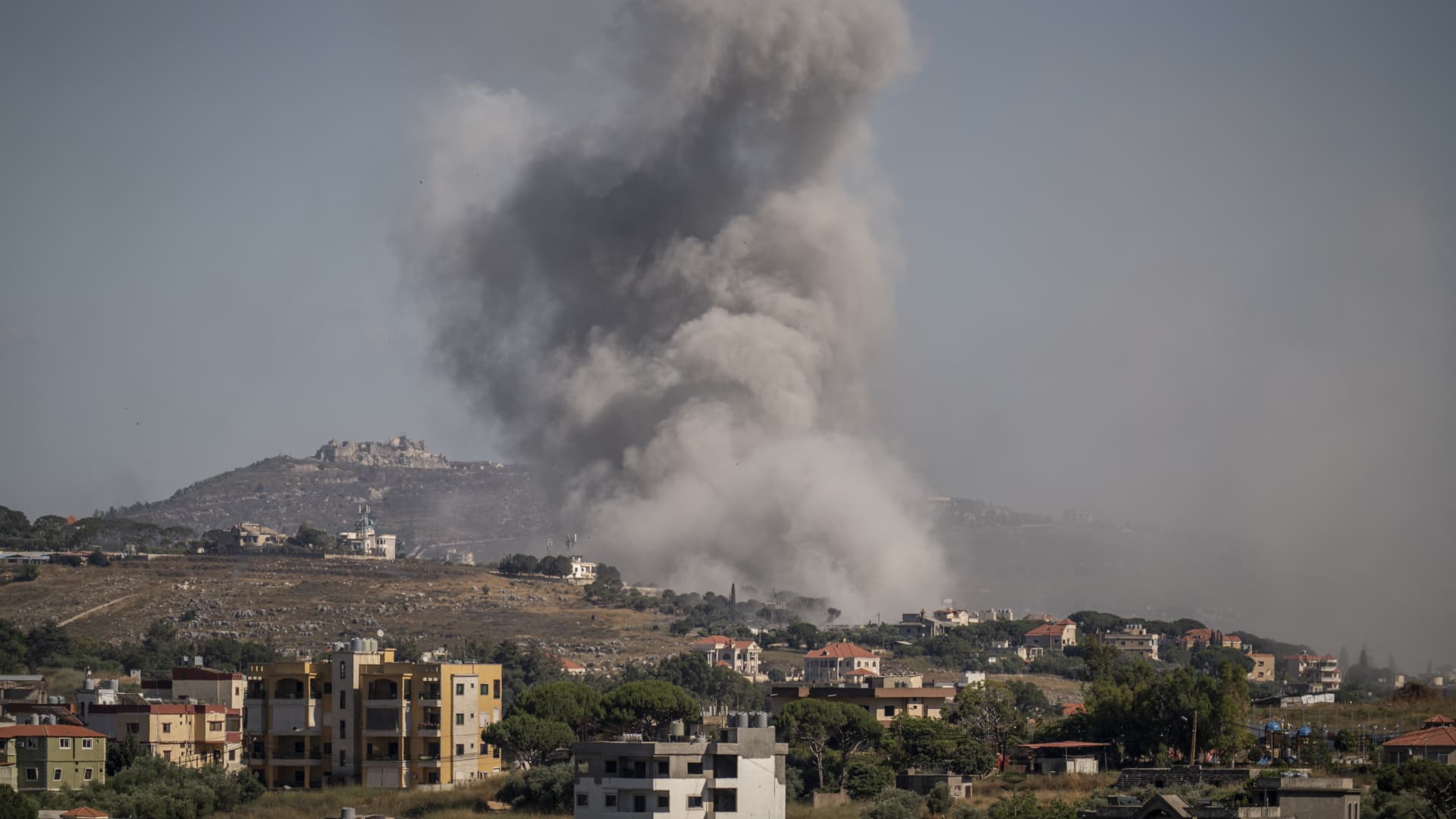
Investors are dangerously underestimating the lasting impact of the Middle East war, as markets rally on optimism over a ceasefire agreement and rapid economic rebound. That’s the view of Sophie Huynh, portfolio manager and strategist at BNP Paribas Asset Management, who warned the market is not reflecting “the economic reality of what we could be facing in the next three weeks.” Markets have rallied in recent days amid hopes of a de-escalation in hostilities across multiple fronts, with equities rebounding back to pre-conflict levels. But speaking to CNBC’s “Squawk Box Europe” Friday, Huynh said the situation in the Strait of Hormuz “matters much more” than the ongoing ceasefire negotiations when it comes to the outlook for risk assets. “If we don’t have more flows, and more oil tankers, coming out of the Strait of Hormuz we are at risk of having much more rationing in oil by early May,” Huynh said. “I don’t think this is reflected in the market at the moment.” Israel and Lebanon agreed to a 10-day ceasefire on Thursday, while U.S. President Donald Trump said an end to the Iran war could be in sight. But, while Huynh acknowledged the ongoing ceasefire negotiations, she said the situation in the Strait of Hormuz “matters much more” when considering the outlook for risk assets. ‘Domino effect’ “How many tankers are getting out of the Strait of Hormuz? Compared to the pre-Iran conflict level, it’s nothing,” Huynh said. She highlighted the oil rationing already happening in parts of Asia, and warned of a potential “domino effect” in which Europe , and then the U.S., start to implement similar measures. Gas , meanwhile, will take “years” to come back to the pre-war capacity, she added. .SPX 3M mountain S & P 500. None of this is being factored into current pricing of risk assets, according to Huynh. Earnings growth expectations have been revised up since hostilities began on Feb. 28, as investors seem content to wave away the economic fallout from the conflict, and look beyond the war in the hope returning focus to previously-dominant AI capex narrative. “Markets are hopeful of a temporary period of slowdown and not potentially tipping into recession. But that’s not being reflected in risk premia, risk spread or equity risk premia,” she said. “There hasn’t been any downgrade whatsoever,” she said. She added: “At some point, the economic reality is going to trigger a wake-up call.” ‘Nowhere to hide’ Portfolio positioning remains difficult in the prevailing environment. “You have nowhere to hide,” Huynh observed, noting that gold, a traditional safe haven play, is now a “high momentum asset” — and investors must be acutely aware of momentum, given that the rally has been powered by systematic trading flows. “Having hedges on both the right and the left tail clearly makes sense,” she said. She recommended ongoing hedging out of US dollar exposure post-Iran, adding that the conflict has highlighted the importance of securing stockpiles, inventories and reserves. “Having exposure in our portfolio to physical assets, basic resources and energy stocks makes sense at this point.” @LCO.1 3M mountain Brent crude.
<