
Kash Patel sues The Atlantic for $250 million over alcohol abuse claims
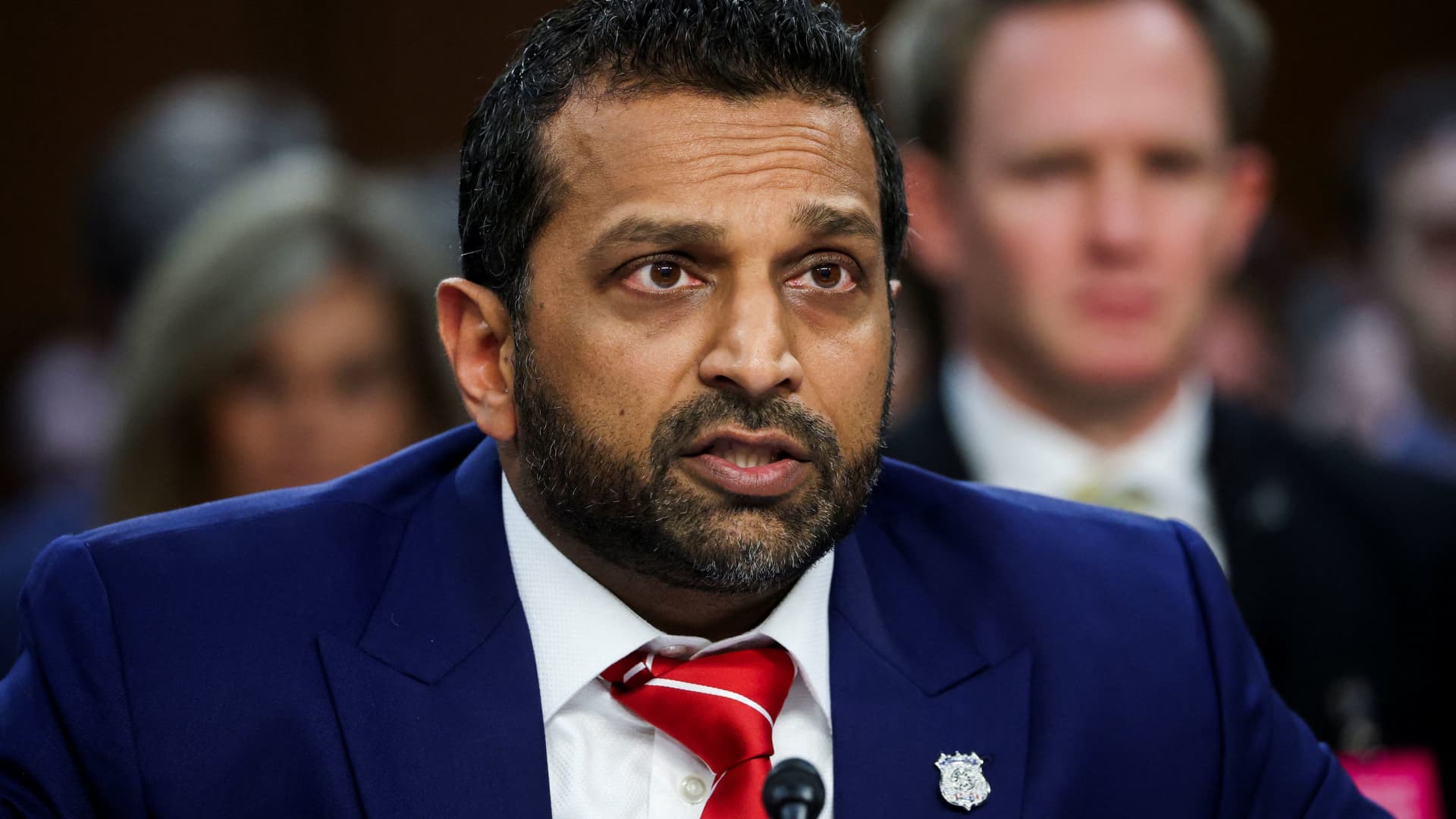
FBI Director Kash Patel testifies before a Senate Judiciary Committee hearing on oversight of the Federal Bureau of Investigation, on Capitol Hill in Washington, D.C., U.S., September 16, 2025.
Jonathan Ernst | Reuters
FBI Director Kash Patel on Monday morning filed a lawsuit seeking $250 million in damages from The Atlantic magazine for what he claims is a defamatory article that alleges he abuses alcohol.
Patel, over the weekend, had vowed to sue The Atlantic for the article published on Friday.
The suit was filed in U.S. District Court in Washington, D.C. In addition to The Atlantic, the civil complaint names the article’s author, Sarah Fitzpatrick, as a defendant.
Patel’s suit said it seeks to hold the defendants “accountable for a sweeping, malicious, and defamatory hit piece.”
“Defendants are of course free to criticize the leadership of the FBI, but they crossed the legal line by publishing an article replete with false and obviously fabricated allegations designed to destroy Director Patel’s reputation and drive him from office,” the suit alleges.
The complaint says the magazine and Fitzpatrick published the article “with actual malice, despite being expressly warned, hours before publication, that the central allegations were categorically false.”
Patel, in a statement issued by his attorneys, said, “The Atlantic’s story is a lie.”
“They were given the truth before they published, and they chose to print falsehoods anyway,” Patel said. “I took this job to protect the American people and this FBI has delivered the most prolific reduction in crime in US history. Fake news won’t report it, and their toxicity will never erode nor stop our Mission.”
The Atlantic, in a statement to CNBC, said, “We stand by our reporting on Kash Patel, and we will vigorously defend The Atlantic and our journalists against this meritless lawsuit.”
Public figures, such as Patel, have a high legal bar in lawsuits alleging defamation.
The Supreme Court in its landmark 1964 ruling in the case known as New York Times Company v. Sullivan said that a public figure must show that the publisher acted with actual malice to prevail in a defamation claim.
The court in that opinion defined actual malice as making a statement “with knowledge that it was false or with reckless disregard of whether it was false.
This is breaking news. Please refresh for updates.
<