What’s Next For the Red Sox After Manager Alex Cora’s Firing?
The Red Sox just can’t help themselves. Ever since they traded Mookie Betts to the Los Angeles Dodgers for peanuts in 2020, the organization has become a magnet for public drama. It stems from their wide-ranging incoherence and inability to have a feel for when to implement high-profile decisions.
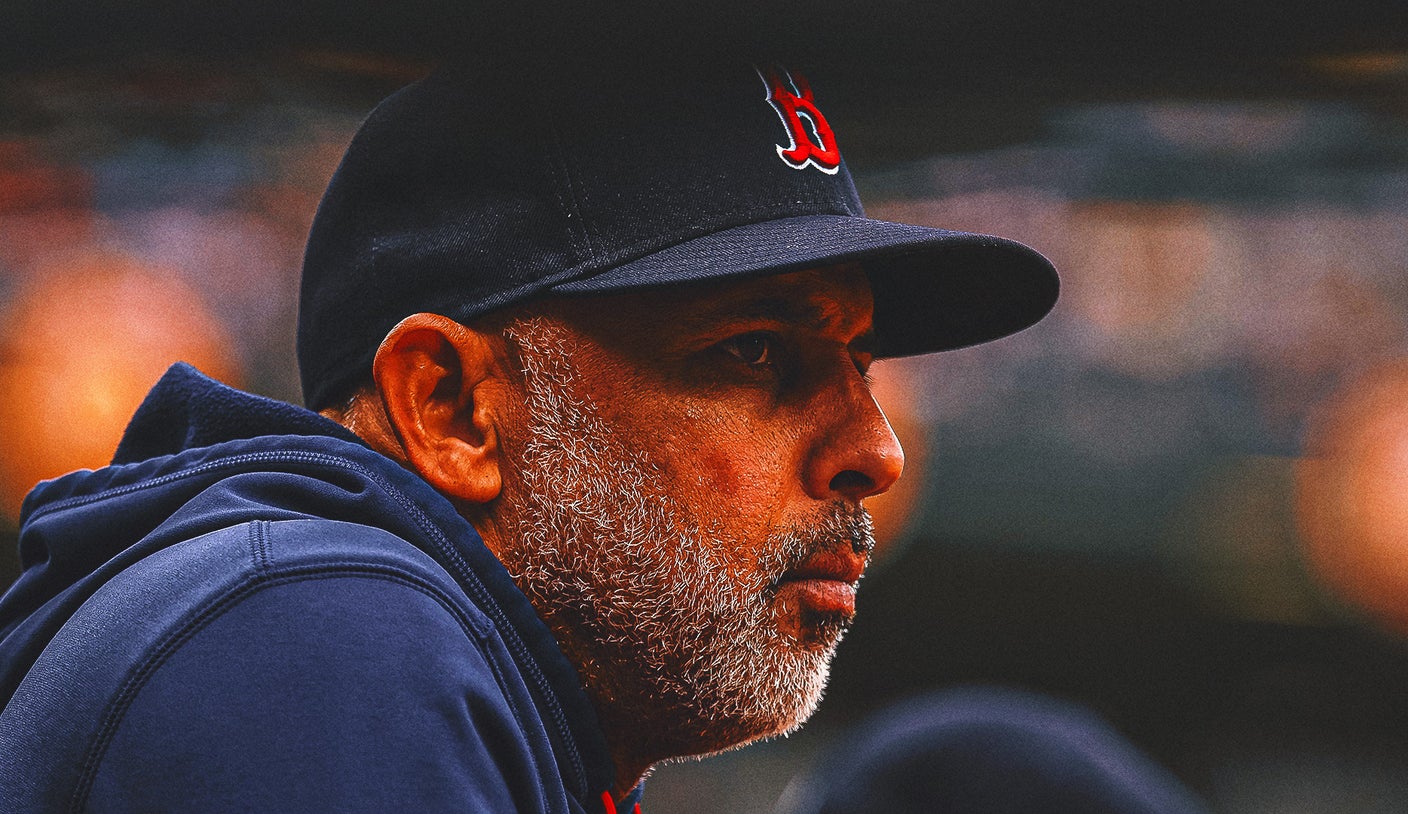
This past weekend, the Red Sox struck both of those tones when chief baseball officer Craig Breslow fired manager Alex Cora and five members of his coaching staff. The dismissals came hours after the Red Sox clobbered the Baltimore Orioles in a 17-1 win on Saturday at Camden Yards. Yes, the Red Sox had a disappointing 10-17 start, but this was bad timing. The team’s punchy offensive output behind their ace’s strong shutout outing that afternoon had created, at the very least, optimism. The clubhouse finally saw a formula that could help get them out of the AL East basement.
Despite all that, principal owner John Henry, CEO Sam Kennedy and Breslow traveled to Baltimore to deliver the news in person. It was simply the latest episode of the discordance between their stated goals and expectations — being competitive and winning a world championship — and their actual, volatile actions that have caused, as usual, an uproar.
Let’s dive into what’s next for the Red Sox after Cora’s stunning dismissal.
What’s next for Craig Breslow and ownership?
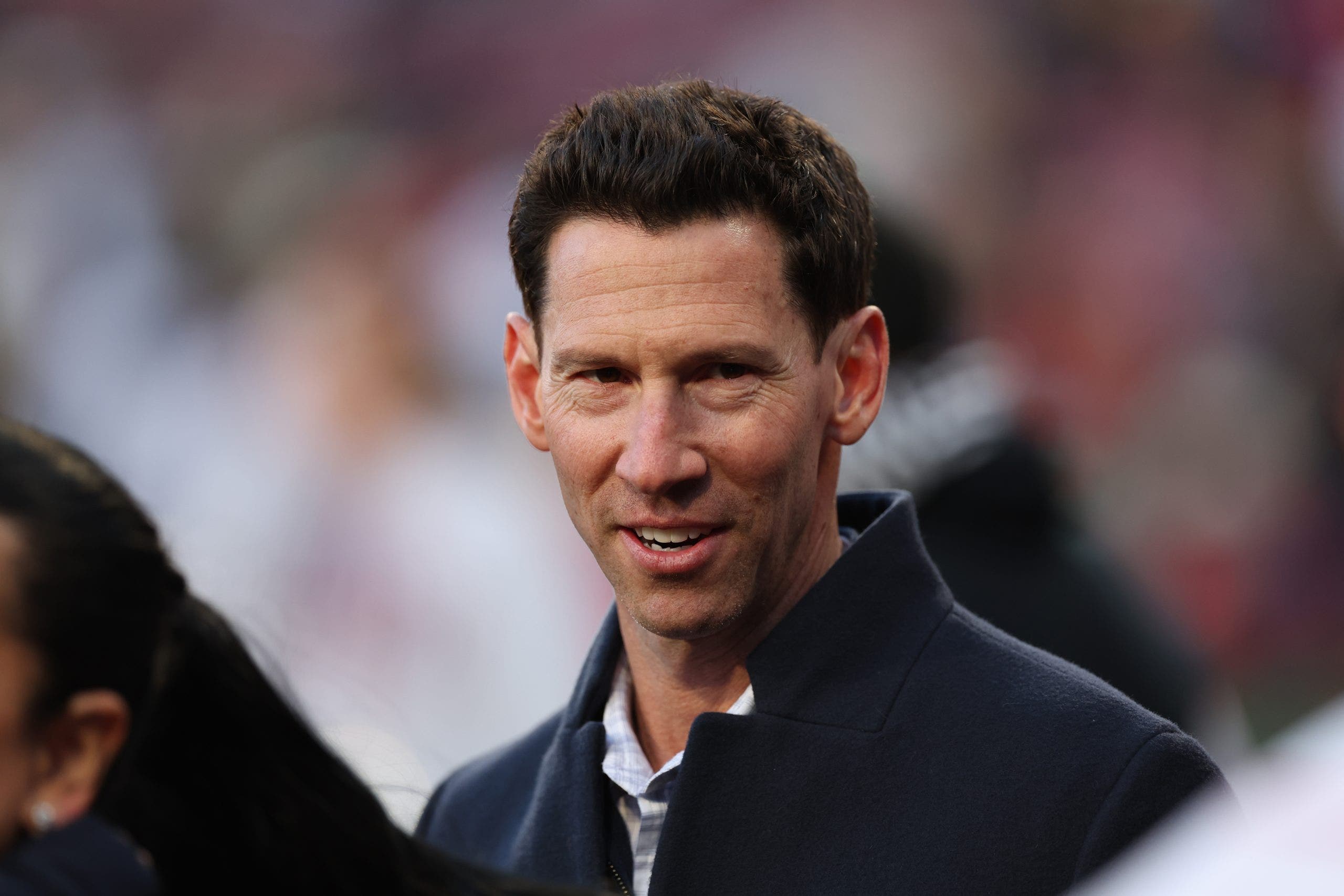
(Photo by Paul Rutherford/Getty Images)
Breslow is under the microscope, facing pressure to prove that his swift and unexpected moves were the right thing to do for the organization — both this season and long-term. It’s clear that he’s in a weird place, on an island, after Kennedy in Sunday’s press conference indicated that Cora’s firing was Breslow’s decision, rather than a joint resolution from the entire ownership and front office group.
But that’s nothing new around Fenway. Henry, who has remained silent with the media and Red Sox players since the dismissals, routinely sidesteps responsibility. Even though Henry was physically present in Sunday’s team meeting with players, he just stood there and didn’t actually say anything. The Red Sox owner has created an unstable and dysfunctional environment that forces everyone working for him to perform frantically and chaotically under pressure.
Breslow is in the hot seat, and he knows it. Now, it’s in question whether he’ll even make it past July. The Red Sox have to show signs of turning it around quickly, otherwise they’ll be sellers at the trade deadline. (And there is no indication that this team is equipped with the tools to make a comeback.) Breslow’s lack of job security is the foundation that led to these significant firings.
History is certainly not on Breslow’s side. This is his third season as Boston’s chief baseball officer, and all three predecessors (Chaim Bloom, Dave Dombrowski and Ben Cherington) were fired by the Red Sox ownership group within their first four years. Anticipating that his days are numbered, it sure looks like Breslow made the dramatic change of firing Cora and a handful of coaches as a last-gasp attempt to save himself, believing a shake-up will create a higher chance of the roster succeeding.
But, take a look at the problems within that Red Sox roster, and it’s clear that the manager and coaches were not the problem. The team’s disappointing start is a direct result of inadequate roster construction.
What’s next for the Red Sox?
(Photo by Brace Hemmelgarn/Minnesota Twins/Getty Images)
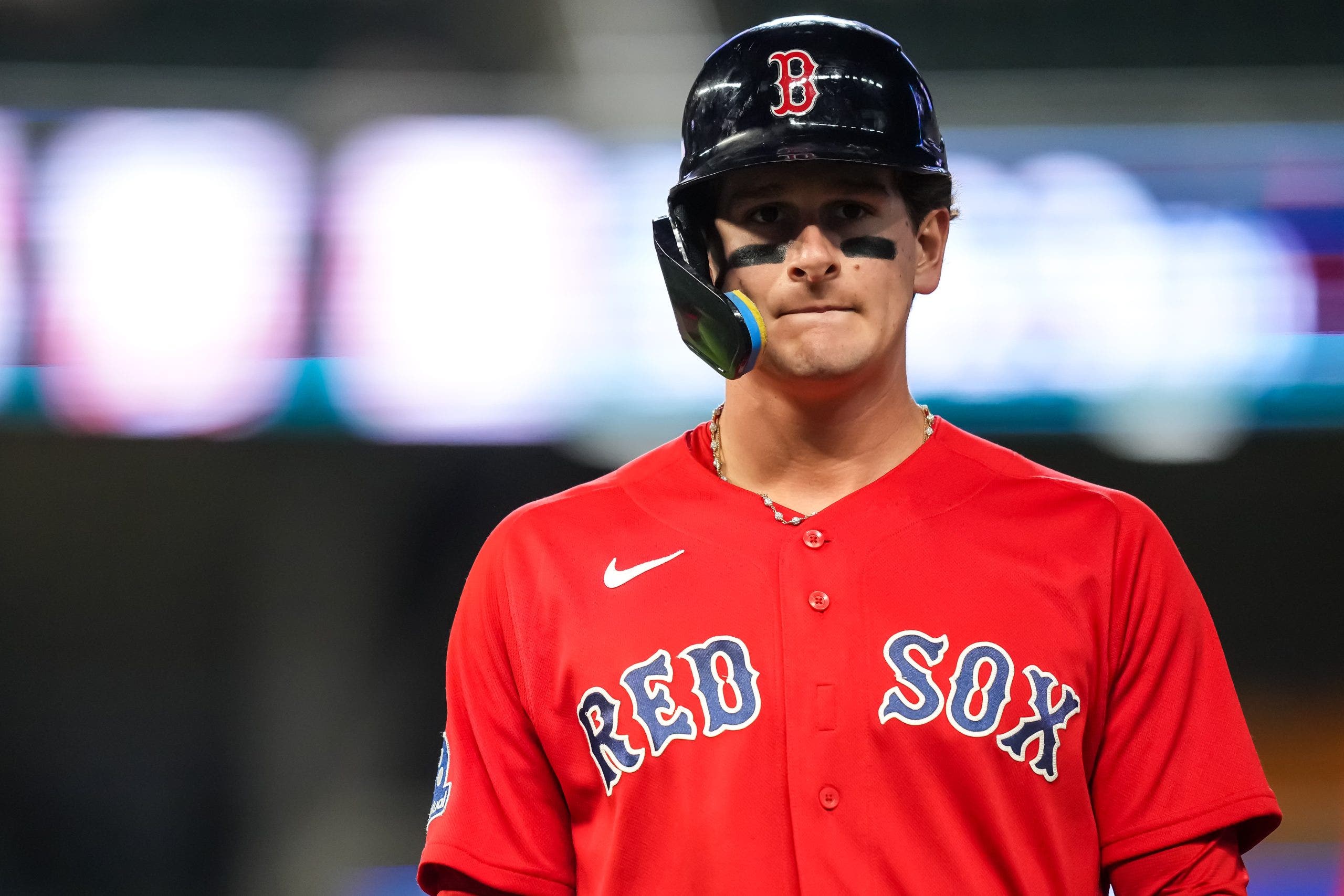
A mere 27 games into the season, Red Sox players are tasked with adjusting on-the-fly to new interim manager Chad Tracy and several coaches in different roles. While they do that, they also have to overcome their roster-construction flaws and win games, because Breslow waited until the season barely started to enforce significant changes, even though he could’ve done all this in the offseason.
So, naturally, players are angry. There is really no one to turn to in the clubhouse, which is youth-led and lacks veteran leadership. That the 21-year-old outfielder Roman Anthony was the first player to face the cameras in the wake of Cora’s firing was an organizational failure. He was a rookie just last year, but now he’s being asked to be the leader of the team. It’s the result of the Red Sox failing to re-sign third baseman Alex Bregman in the offseason, despite knowing that he had a strong influence on the field and in the clubhouse as the chief vet that younger talents looked up to.
Speaking of failures, Breslow didn’t do enough this past winter to fortify an inexperienced roster that’s dependent on young talent like Anthony and Marcelo Mayer to take steps forward. After failing to sign Bregman or land a power bat like Pete Alonso, Breslow changed his messaging and said he’s focused on run prevention. But the additions of southpaw Ranger Suarez and veteran Sonny Gray (currently injured with a hamstring strain) haven’t helped, and ace Garrett Crochet has uncharacteristically struggled in three of his six starts so far this season.
Entering Monday, Boston’s 4.96 starting pitching ERA is ranked 27th in MLB. The Red Sox lineup has a below-average wRC+ of 84, which is ranked 28th. Their power is nonexistent, and unless Anthony can single-handedly morph into David Ortiz, Ted Williams, Jimmie Foxx overnight, there’s little reason to believe their slugging problems will improve this season.
In the competitive AL East, the Red Sox are seven games behind the first-place Yankees — so far removed from the team that forced New York to Game 3 of the Wild Card series last October. If Boston starts playing better, it could work its way into a pennant race come September thanks to MLB’s expanded playoff format that accommodates mediocre teams. But competing for an early playoff exit is the bare minimum. That’s not what fans are told to expect, but it’s routinely what actually happens.
What’s next for Alex Cora?
(Photo by Barry Chin/The Boston Globe via Getty Images)
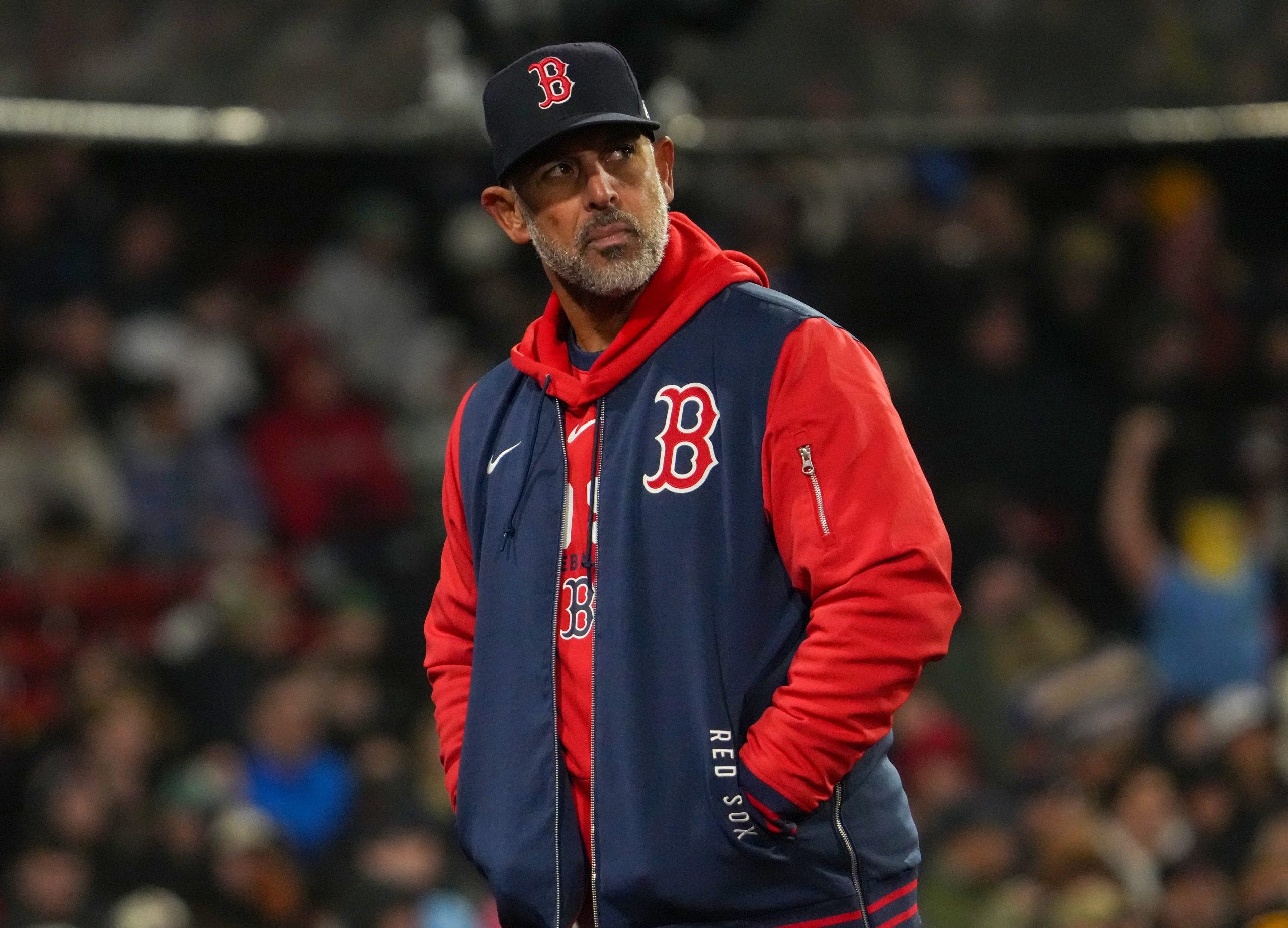
Cora was in the second year of a three-year, $21.75 million contract extension when he was fired by the Red Sox. In order for Cora to be picked up by another organization, that team will have to rip up his current contract and sign a new one. So Cora, of course, will only agree to that if the new contract pays him more than the current one. It’s unlikely that will happen, but he still has some options.
There are currently two high-profile landing spots for Cora that could see him managing again this season, and both teams are performing worse than the Red Sox. The Phillies and Mets are tied for the worst record (9-19) in baseball. Both of their managers — Rob Thomson and Carlos Mendoza, respectively — are in the hot seat. It’s tough to envision David Stearns, New York’s president of baseball operations, making Mendoza the scapegoat and firing him this early into the season.
But Dave Dombrowski, Philly’s P.O.B.O., fired former Phillies manager Joe Girardi mid-season in 2022, then Thomson took over and instantly catapulted the team to its first World Series appearance in 11 years. Cora is said to have a strong relationship with Dombrowski ever since the longtime baseball executive hired Cora to be the Red Sox manager in Oct. 2017. In his first year as skipper, Cora led the Red Sox to a 108-54 record in the regular season before they won the 2018 World Series.
Boston’s shoddy roster construction is not Cora’s fault, but it’s not like the shrewd skipper hasn’t made mistakes, either. The Rafael Devers situation in Boston was a poor reflection on Cora, who failed to talk to the slugger about playing first base last year. Devers immediately switched from designated hitter to first after he was traded to the San Francisco Giants. Cora was also investigated by MLB for helping mastermind the Astros’ 2017 electronic sign-stealing scandal. He was suspended for the entire 2020 season, which led to him briefly parting ways with the Red Sox before rejoining as their manager in 2021.
Still, Cora has a 620-541 managerial record, and his résumé makes him an immediate candidate for future openings. He’s all but guaranteed a second act, somewhere.
Deesha Thosar covers Major League Baseball as a reporter and columnist for FOX Sports. She previously covered the Mets as a beat reporter for the New York Daily News. The daughter of Indian immigrants, Deesha grew up on Long Island and now lives in Queens. Follow her on Twitter at @DeeshaThosar.
<