China consumer, wholesale inflation tops estimates in April as Iran war drives energy costs higher
A shopper walks past a Coach retail store inside a shopping mall on March 24, 2026 in Shenzhen, Guangdong province, China.
Cheng Xin | Getty Images
China’s consumer and producer inflation jumped more than expected in April as the Middle East conflict drives commodity costs higher.
Consumer prices ticked up 1.2% in April from a year earlier, beating economists’ estimates of 0.9% growth in a Reuters poll, and accelerating from a 1% rise in March, according to data released by the National Bureau of Statistics on Monday.
The producer price index jumped 2.8% from a year ago, exceeding economists’ forecast of 1.6% and the 0.5% rebound in the prior month. The surge came after factory-gate prices turned positive for the first time in over three years, ending the longest deflationary streak in decades.
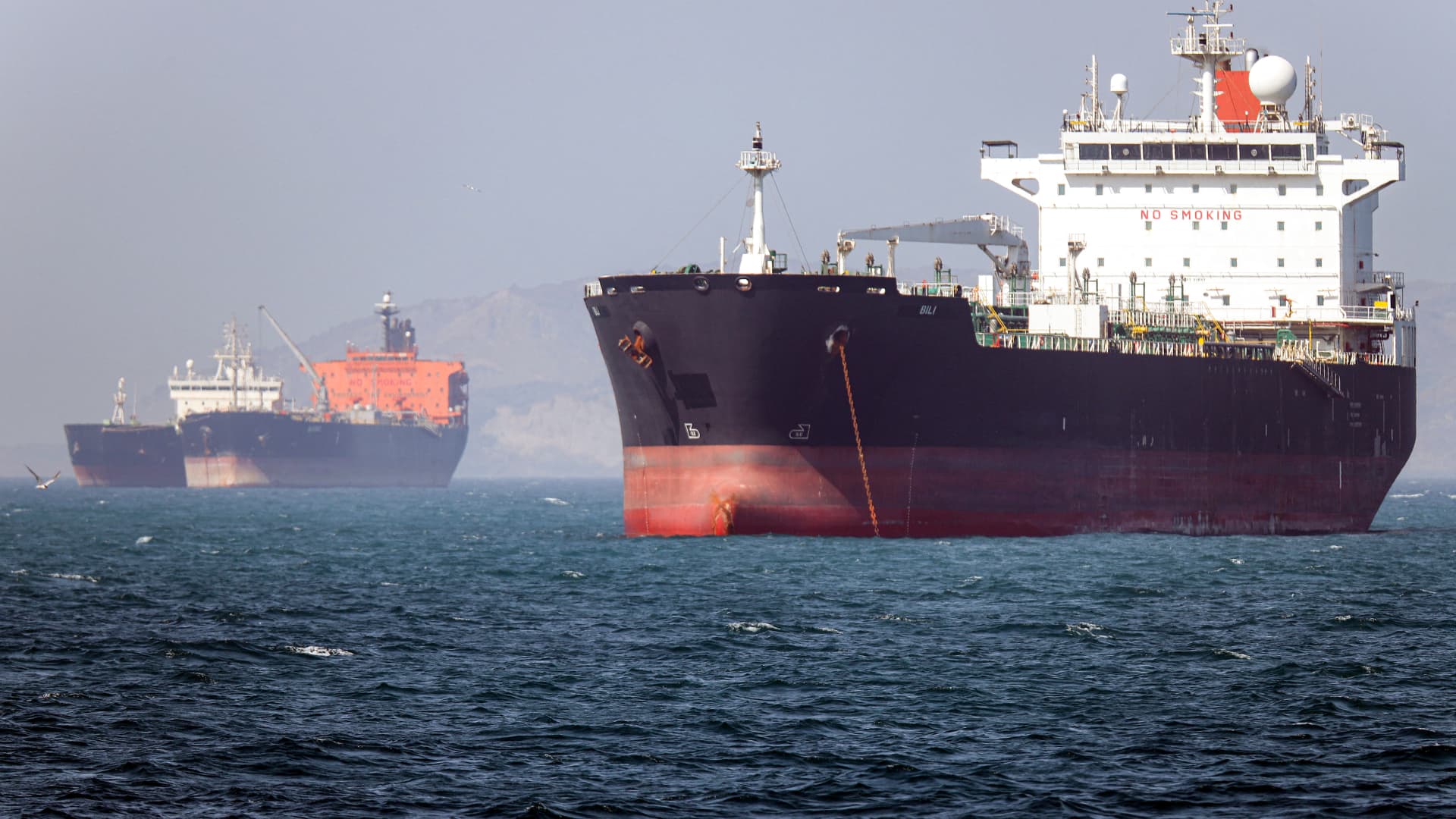
Price growth has been aided by a jump in global commodity prices as the Iran war, now in its third month, has throttled traffic through the Strait of Hormuz, upending energy markets.
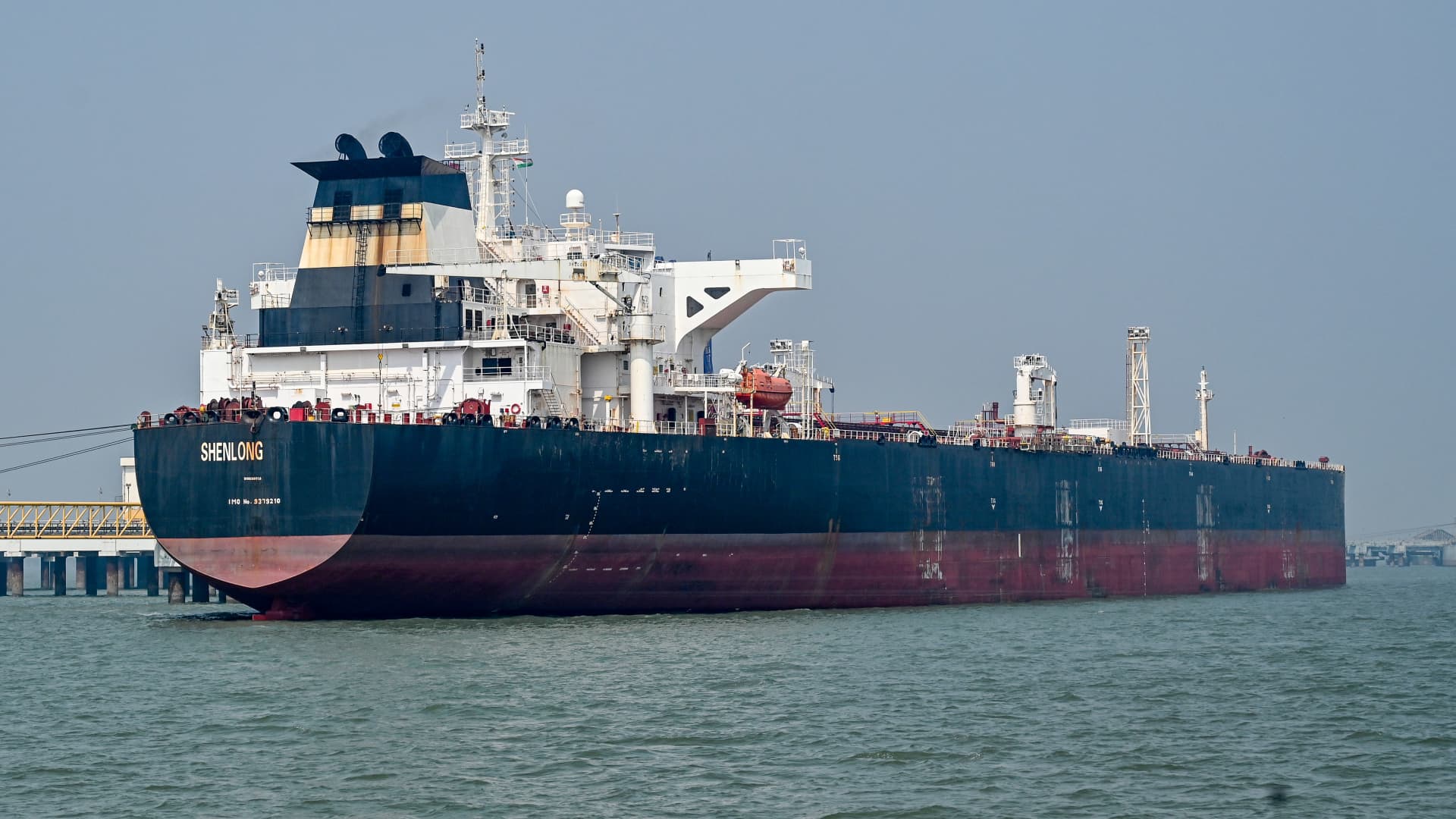
China, the world’s largest crude importer, has cushioned the worst of the energy shock through its strategic oil stockpiles and a diversified mix of renewable energy sources — though economists warn the buffer has limits as the disruption prolongs.

Data released on Saturday showed China’s crude imports fell 20% in April in terms of volume from a year earlier.
The country’s overall export growth, however, accelerated last month, rising 14.1% from a year earlier and pushing the monthly trade surplus to $84.8 billion — putting the country on track for a third consecutive year of roughly a trillion-dollar surplus.
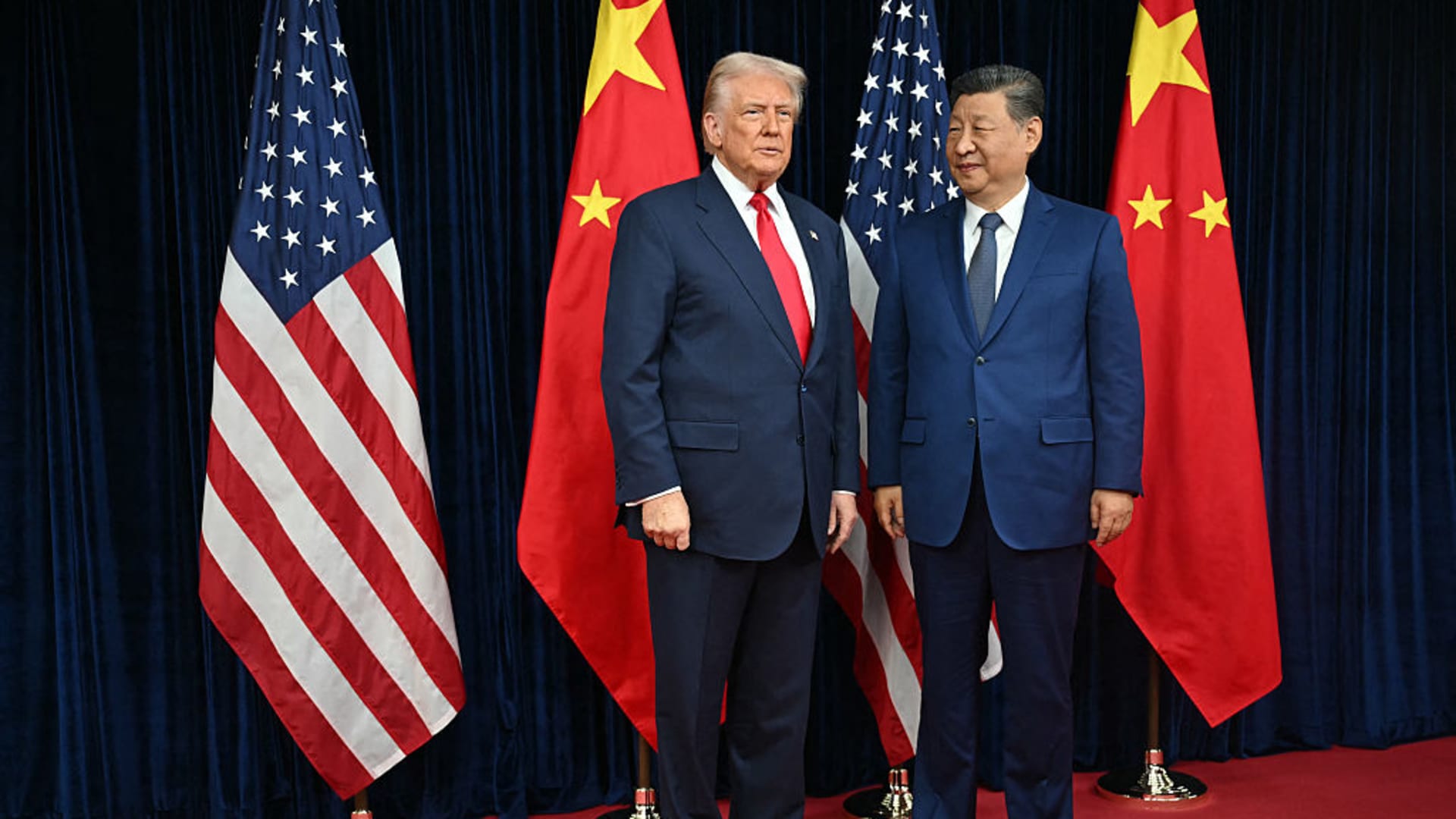
That export strength, which has seen China’s trade surplus with the U.S. widen to $87.7 billion so far this year, will be in focus next week as U.S. President Donald Trump prepares to visit Beijing for a leaders’ summit.
Chinese President Xi Jinping is set to host Trump later this week, as both countries seek to stabilize a relationship strained by tensions over trade, export controls, Taiwan and the Iran war.
Beijing, which hosted Iranian Foreign Minister Abbas Araghchi last week, has positioned itself as an active intermediary in efforts to reopen the Strait of Hormuz, said economists at Goldman Sachs, expecting the Middle East conflict to feature prominently at the summit.
<