CPI inflation April 2026:
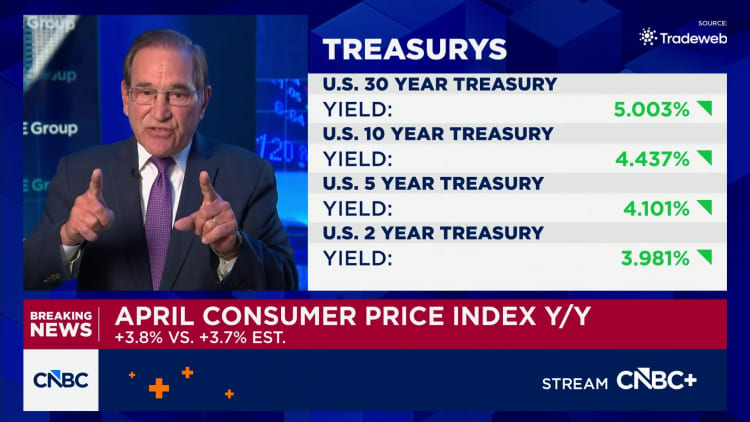

Prices that consumers pay for a wide range of goods and services increased at a faster-than-expected pace in April, raising further concerns about the inflationary impact on the U.S. economy.
The consumer price index rose at a seasonally adjusted 0.6% for the month, putting the one-year pace at 3.8%, the Bureau of Labor Statistics reported Tuesday. The monthly rate was as forecast, but the annual rate was 0.1 percentage point above the Dow Jones consensus.
Excluding food and energy, core CPI increased 0.4% and 2.8% respectively, indicating that while inflation is still well above the Federal Reserve’s 2% goal, a good deal of pressure is coming from non-core areas, particularly energy.
The annual headline inflation rate was the highest since May 2023 and was up half a percentage point from March. Core inflation rose 0.2 percentage point annually.
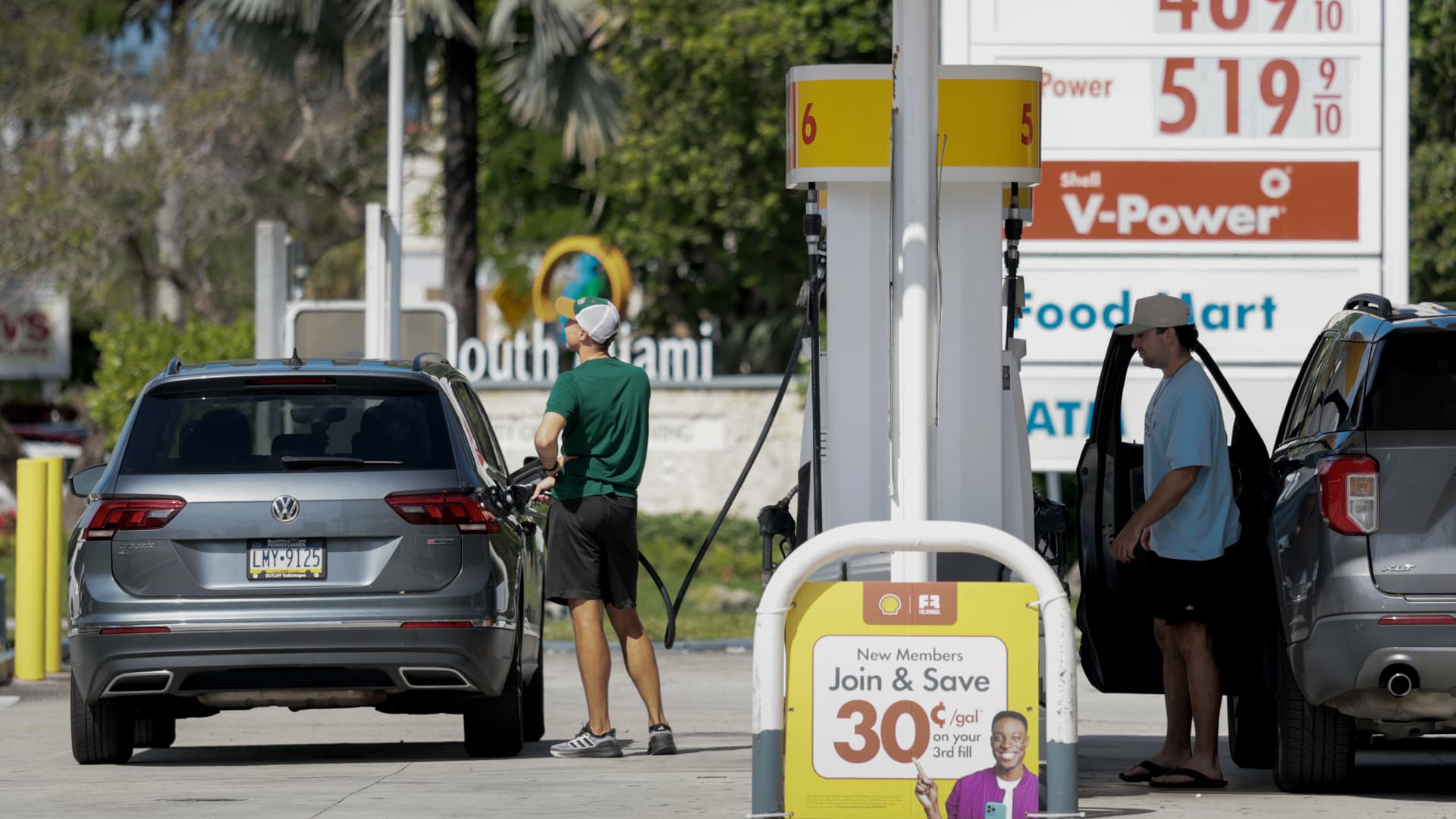
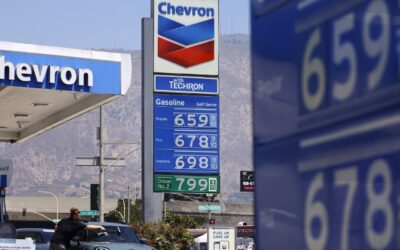
Energy prices, which jumped 3.8%, again was a major contributor to the inflation surge, though food prices also climbed 0.5%. For energy, that put the 12-month gain at 17.9%, while food was up 3.2%. The gasoline index increased 28.4% annually.
Though energy and in particular gasoline has been much of the headline story, inflation pressures also came from a variety of other areas.
Shelter costs rose 0.6%, the tariff-sensitive apparel category increased 0.6% and airline fares accelerated 2.8%, putting the 12-month gain at 20.7%. Tariffs also seemed to hit other areas, with household furnishings and operations up 0.7%
The report also contained bad news for workers, as real average hourly wages slipped 0.5% for the month and fell 0.3% annually.
The latest inflation news comes at a crossroads for the Fed, which has kept its benchmark interest rate steady all year amid misgivings among policymakers both on where the central bank should be heading and how it should communicate its intentions.
In late April, the Fed voted again to hold but saw four dissents, the highest since 1992. Fed Governor Stephen Miran again voted no in favor of a quarter percentage point cut, while three regional presidents objected to language that markets read as an indicator that the next move will be a cut.
At the same time, incoming Chair Kevin Warsh has advocated for lower rates, a position that will be difficult to square with the burst of inflation since the fighting in Iran began. Energy prices have surged, with oil running above $100 a barrel and gasoline averaging $4.50 a gallon nationally, according to AAA.
Markets widely expect the Fed to stay on hold through the year, with a slight chance of a rate hike being priced in. However, traders raised the chances of a rate hike by the end of the year, according to CME Group data.
This is breaking news. Please refresh for updates.
<