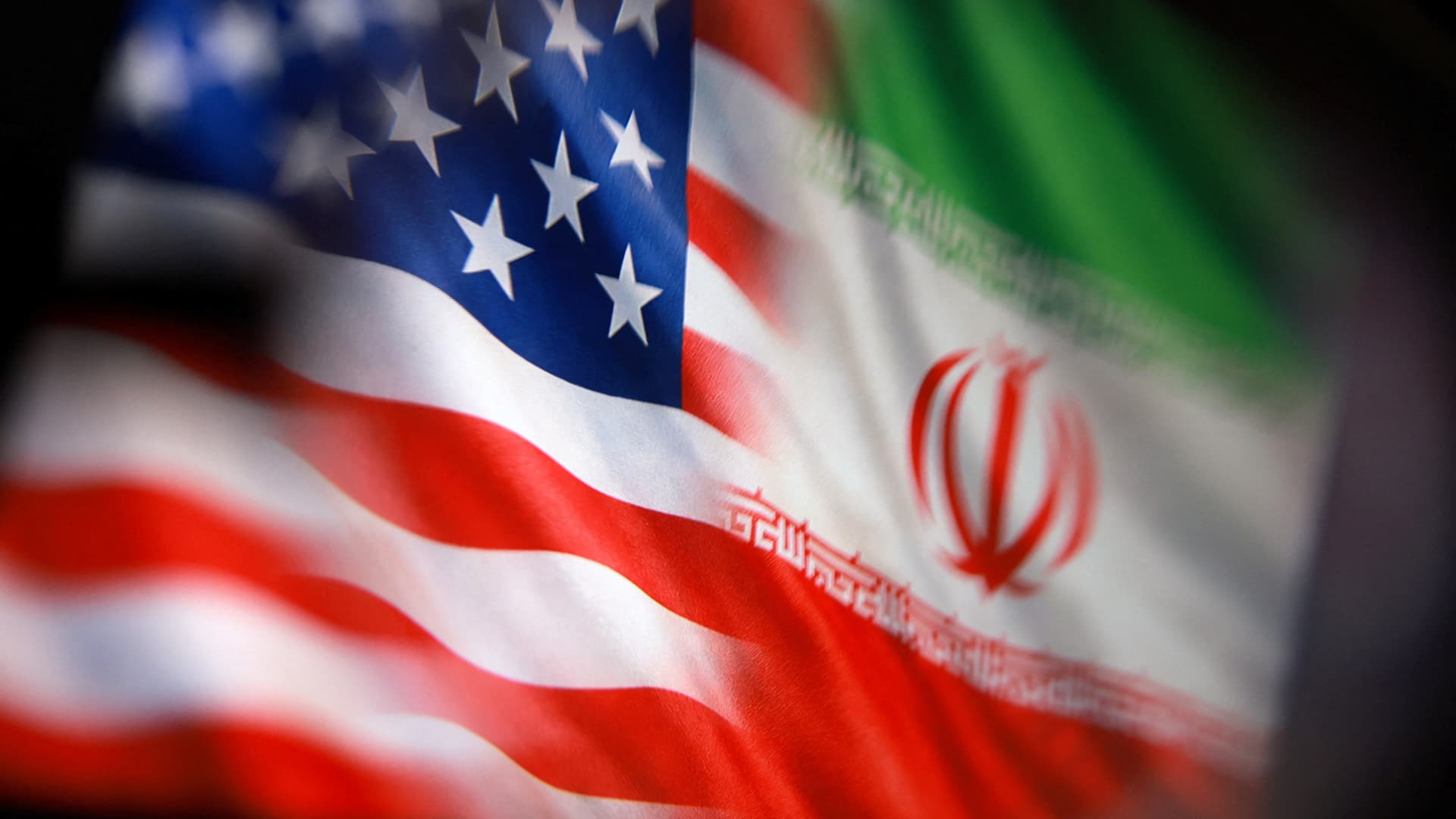
Iran in the ‘process of blinking’ over Strait of Hormuz, Petraeus says
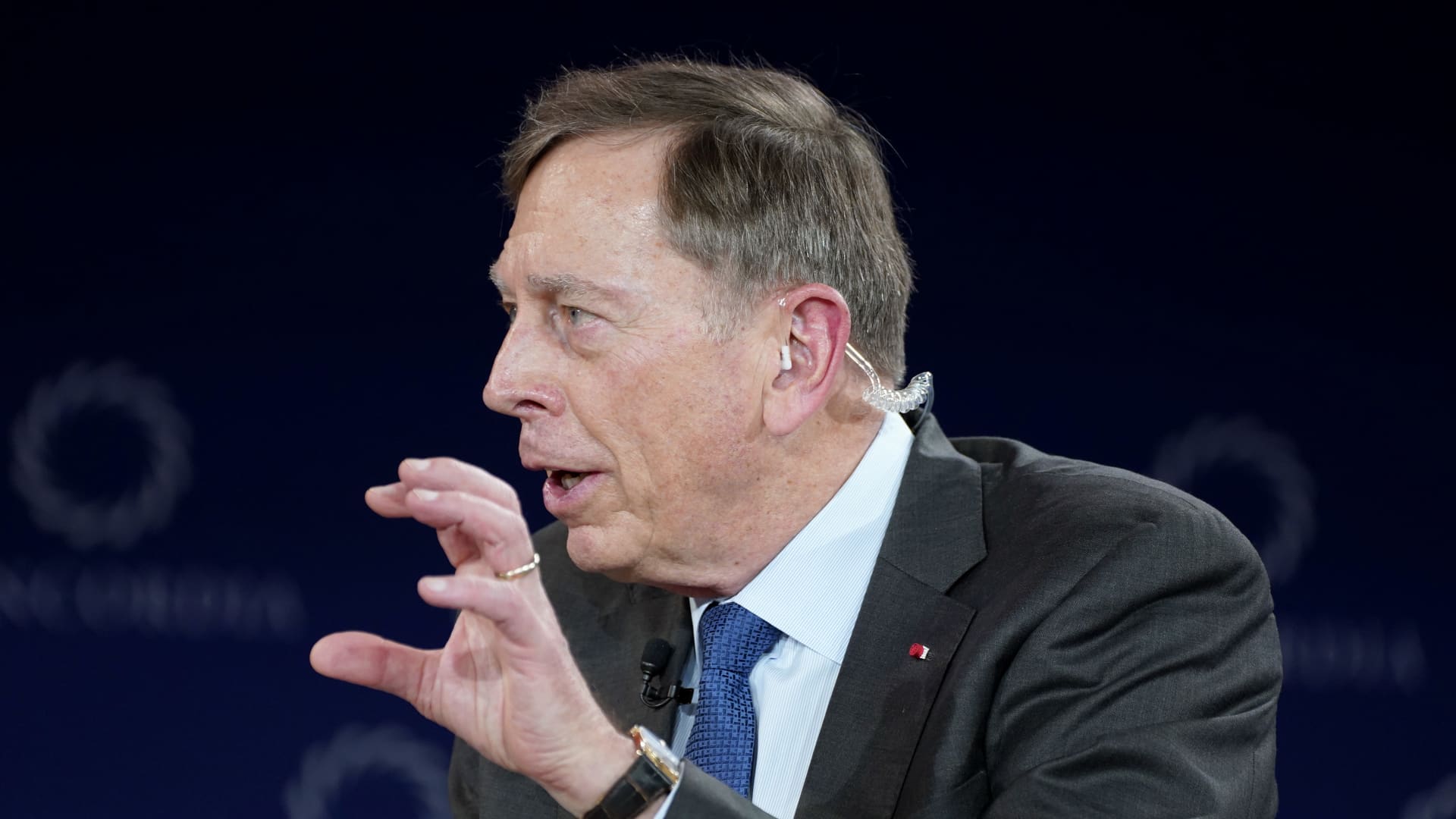
NEW YORK, NEW YORK – SEPTEMBER 22: General David H. Petraeus (US Army, Ret.) speaks onstage during the 2025 Concordia Annual Summit at Sheraton New York Times Square on September 22, 2025 in New York City. (Photo by Riccardo Savi/Getty Images for Concordia Annual Summit)
Riccardo Savi | Getty Images Entertainment | Getty Images
Iran appears to be in the process of “blinking” over the Strait of Hormuz, according to ex-CIA director David Petraeus.
Speaking to CNBC’s Lisa Kim at the UBS Asian Investment Conference, Petraeus, chairman of the KKR Global Institute, said that an initial successful peace deal with Tehran would see the Strait opened without any conditions.
Iran also must not be able to control traffic, charge tolls through it, or make threats of future closure, and “it appears that that may be in the offing,” he added.
This comes come after U.S. President Donald Trump said over the weekend that talks to end the war with Iran and reopen the Strait of Hormuz are proceeding, but urged his negotiating team not to rush into a deal.
Peace talks face a key hurdle in Tehran’s insistence on keeping an enriched uranium stockpile within the country and levying tolls for passage via the Strait.
Petraeus, a retired U.S. general who had combat commands in both Iraq and Afghanistan, said if Iran is allowed to have some control over the critical waterway, Iran may be “strategically strengthened” despite being militarily weakened from U.S. and Israeli strikes.
“Their whole navy is largely sunk, except for fast boats, their missile capacity has been substantially reduced, headquarters, military facilities, no air force, and so forth,” he said.
However, Iran still could threaten to shut the Strait by either mining the waterway or by using drones, missiles and fast boats to hit commercial shipping, and they can prevent the strait from being restored to its pre-war state.
While the Strait is an important part of the deal in the region, Petraeus said that other issues need to be dealt with as well, including Tehran’s nuclear program and its funding for proxy groups like Hezbollah.
“They should be addressed, but it’s not at all clear to me that that’s going to be in the near future,” he said.
On Monday, U.S. Secretary of State Marco Rubio reportedly said in New Delhi that a deal could happen today, according to France 24.
A Reuters report also said that Rubio told reporters that the U.S. will give diplomacy every chance to succeed before exploring “alternatives.”
<