
Eli Lilly makes a new push into vaccines – here’s what to know
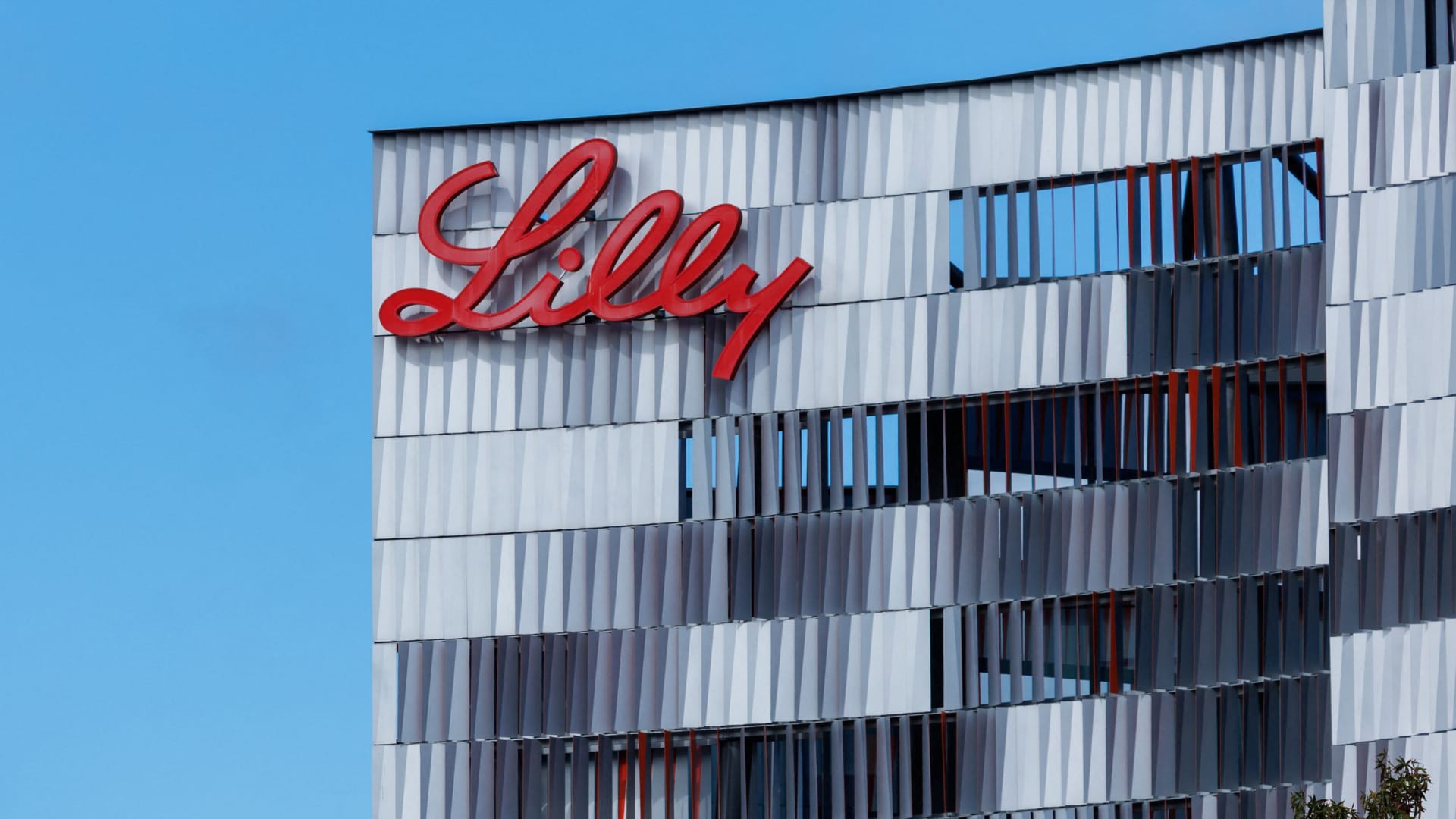
The Eli Lilly logo appears on the company’s office in San Diego, California, U.S., Nov. 21, 2025.
Mike Blake | Reuters
A version of this article first appeared in CNBC’s Healthy Returns newsletter, which brings the latest health-care news straight to your inbox. Subscribe here to receive future editions.
Eli Lilly‘s dealmaking spree just keeps going – but this time, the company is returning to a category it’s been absent from for years: vaccines and infectious diseases.
The company on Tuesday announced it will buy three privately held vaccine makers in deals worth almost $4 billion combined. That includes:
- Up to $1.5 billion to buy Curevo, a Seattle-area company developing a vaccine against shingles
- Up to $780 million to buy LimmaTech Biologics, a Swiss firm targeting staph infections
- Up to $1.55 billion to buy Vaccine Company, which is developing a shot against Epstein-Barr virus
The agreements may have come as a surprise, especially at a time when vaccines face significant regulatory uncertainty and political pressure under the Trump administration. But analysts point out that the push comes just months after Lilly hired Dr. Peter Marks, who served as the Food and Drug Administration’s top vaccine regulator for nearly a decade before resigning last year.
“While development efforts in infectious disease are more nascent, deals start to give Marks the tools to expand the company’s pipeline,” BMO Capital Markets analyst Evan Seigerman said in a note on Tuesday, referring to how many of the vaccines are still in earlier-stage development.
Here’s what to know about the deal.
Why vaccines and infectious diseases?
Lilly does not have any vaccines on the market, though it historically helped distribute one of the original polio vaccines.
The shots across Lilly’s new deals are still in earlier-stage development, so they will likely take time until they reach the market. But what they appear to have in common is that they aim to fill unmet needs, whether that’s differentiating from what’s already on the market or bringing what could be the first-ever vaccine for certain viruses.
For example, Curevo is developing a shot against shingles that Lilly hopes could be as effective as the current standard of care but with fewer side effects. BMO’s Seigerman called that shot, amezosvatein, the “most clinically advanced” product across the deals, with the potential to improve on the tolerability challenges of the current and only shingles vaccine from GSK.
In Curevo’s phase 2 trial, patients receiving the highest dose of its shingles vaccine reported far fewer moderate-to-severe side effects than patients who received GSK’s Shingrix vaccine – 7.3% compared to 33%. That could help improve uptake and completion rates among patients, since side effects can discourage some from getting the second dose of the shingles vaccine, Seigerman said.
With the Vaccine Company acquisition, Lilly also has the potential to bring the first-ever vaccine for a common viral infection, the Epstein-Barr Virus or EBV, to market. While it often doesn’t cause any symptoms, EBV is one of the most common human viruses globally and is strongly linked to a wide range of serious conditions, such as certain types of cancer and multiple sclerosis.
Moderna is also developing a vaccine for EBV, but that shot may be years out from reaching patients.
Dan Skovronsky, Lilly’s chief scientific and product officer, outlined the clinical case for the new deals in a press release on Tuesday.
The deals reflect a “deliberate strategy to prevent disease at its source rather than treat its consequences,” he said. “Decades of evidence now link common infections to diseases that potentially emerge years later, including neurological disease, cancer and infertility.”
How big is the opportunity for Lilly?
The company did not provide any revenue estimates for the products in the deals. We shouldn’t expect any of them to come near the mega-blockbuster sales potential of Lilly’s obesity drug Zepbound and diabetes treatment Mounjaro.
But there could be meaningful opportunities within these new vaccine products, particularly with the shingles shot. GSK’s Shringrix, for example, generated $4.8 billion in sales in 2025 alone. An easier-to-tolerate competitor to that shot has the chance to take a bite of that market.
It’s less clear what sales could look like for vaccines against EBV. But there are certainly a large number of patients who can benefit: The virus infects around 95% of adults globally, and is associated with more than 350,000 new cancer cases each year, according to the Gavi Vaccine Alliance, a public-private global health partnership.
We’ll be watching to see how these products develop, so stay tuned for our coverage.
Feel free to send any tips, suggestions, story ideas and data to Annika at a new email: annika.constantino@versantmedia.com.
<