Strategists weigh in on Treasury 2-year yield spike post-Fed
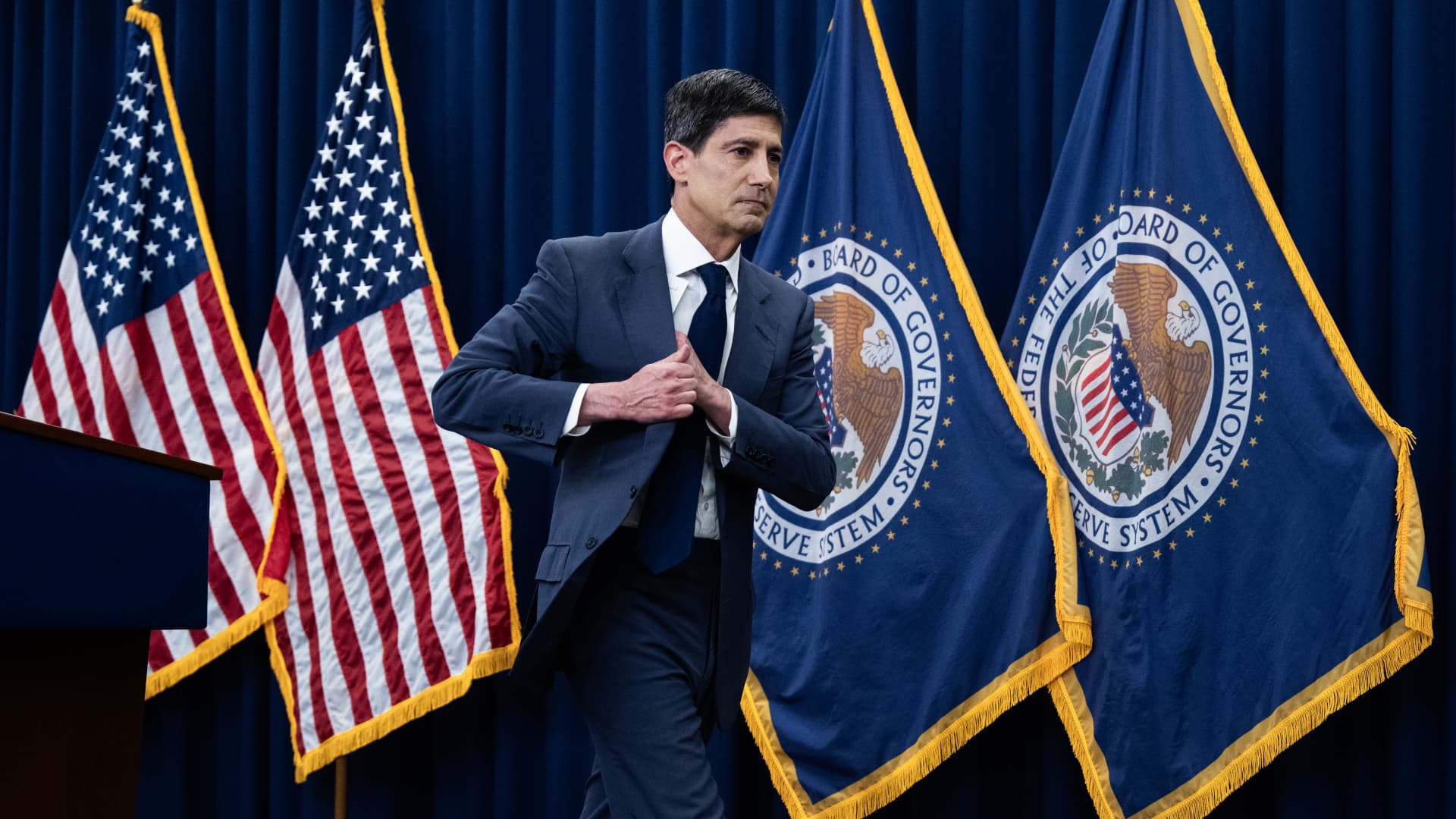
Treasury yields rose and the curve flattened on Wednesday after the Federal Reserve held rates steady, but strategists were divided on whether the move would persist. That’s occurring as the market brought forward expectations of the first rate hike after Fed Chair Kevin Warsh, whose inaugural policy meeting saw a dramatic slimming down of the Fed’s post-meeting communication. Here’s what market watchers are saying about Treasurys after the policy decision: Bank of America Bank of America strategists, including U.S. rates strategy head Mark Cabana, said they expect two-year Treasury yields to move higher, the gap between two-year and 10-year yields to narrow further and a flattening of the inflation curve. “On balance sheet policy, there were only small changes, with the Fed reaffirming its commitment to an ample reserve regime and Warsh announcing a balance sheet task force.” Fundstrat Fundstrat technical strategist Mark Newton said the jump in the two-year Treasury yield to about 4.18%, its highest in two weeks, appeared exaggerated given improving geopolitical conditions. “The spike on the 2-year Treasury yield to two-week highs near 4.18% — occurring around resistance — as Warsh spoke, looks exaggerated against the ceasefire trade.” Newton said the move did not appear significant enough to signal a lasting shift towards a more aggressive rate-hiking cycle. “Technically, this move in 2-year yields doesn’t look too significant as a game changer but has simply brought yields back up to the highs of the recent range. “While the market will need time to get acquainted with how Warsh reshapes policy, this argues against extrapolating one volatile FOMC-day move into a new hiking regime.” Newton argued that the developments around Iran carried more near-term weight than the Fed meeting, and a reopening of the Strait of Hormuz should lower crude prices, inflation expectations, and long-term Treasury yields. BMO Ian Lyngen, strategist at BMO Capital Markets, said moves in longer-dated Treasurys remained within recent trading ranges, with long bond yields briefly touching 4.90% during the session. “If nothing else, the market has renewed confidence in the Fed’s inflation-fighting ability and conviction. It was a good day for central banking independence.” Lyngen added that Treasury trading continues to be heavily influenced by energy prices, particularly around the signing of the U.S.-Iran agreement . “Taking a step back, with the announcement of a US-Iran deal … we’ll point out that Treasuries are once again largely trading in tandem with the real-time fluctuations in energy prices.”
<