
Dollar strengthens as Iran talks fail, HSBC backs greenback to soften
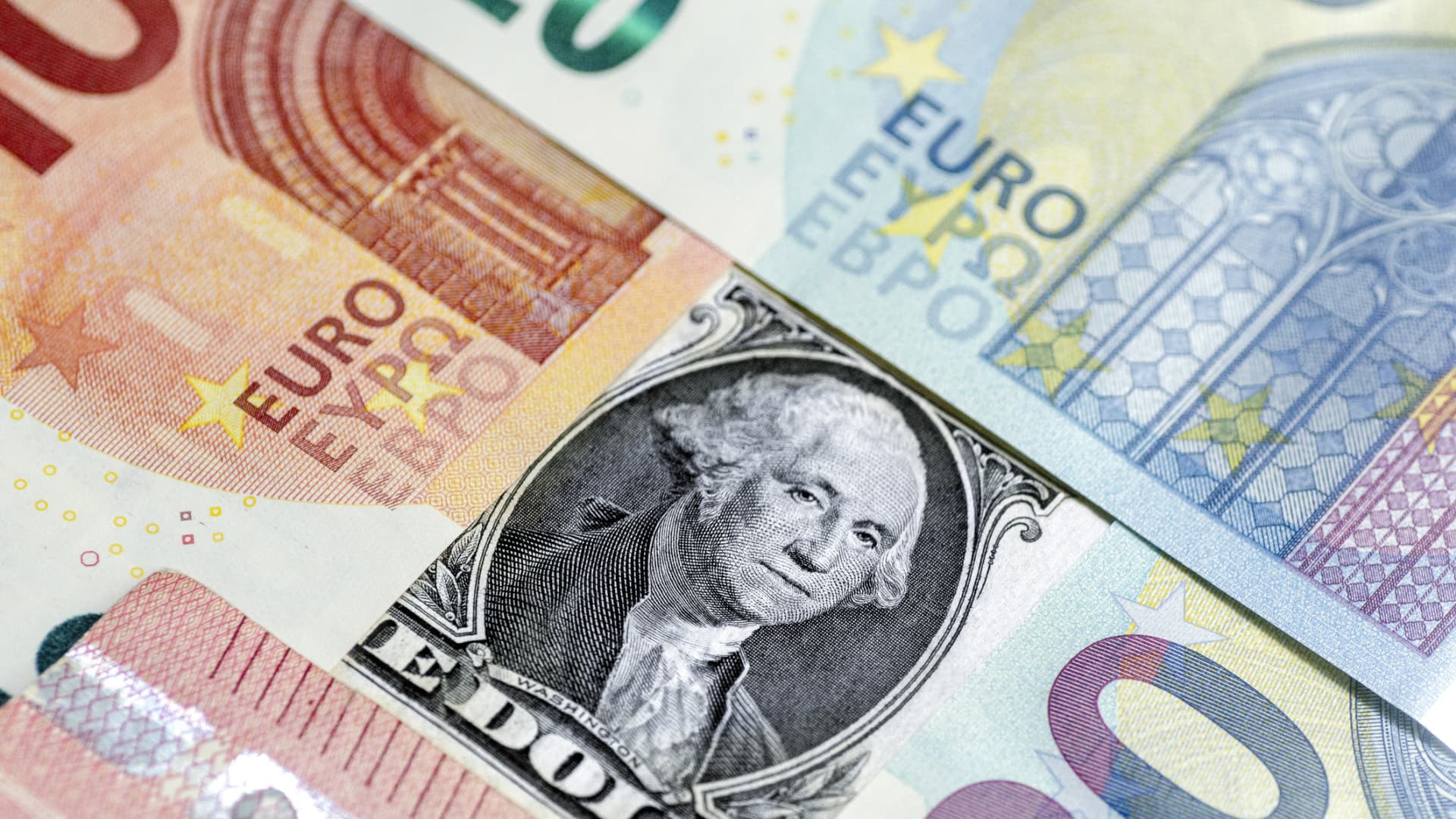
The U.S. dollar rose on Monday after talks between Washington and Tehran over the weekend failed to yield an agreement to end the war. The greenback rose 0.3% against the Euro to $1.169 and 0.25% against sterling to $1.342 after peace talks broke down and President Trump said the U.S. military would begin a blockade of all maritime traffic entering and exiting Iranian ports. While investors haven’t piled into the dollar since the start of the Iran conflict, the currency was up by around 2% against a basket of major peers in March. Three developments – higher oil prices, a stronger dollar, and stricter US financial conditions – have been headwinds for other currencies. Analysts at HSBC wrote in a note on Friday that “embracing a stronger USD into our forecasts is tempting”, but were “reluctant” to do so and expect the greenback to soften instead — for two key reasons. First, quoting Fed chair Jerome Powell’s recent speech, HSBC wrote: “When there is a lack of visibility, it is prudent to slow down rather than fully change direction.” “Second, since the Fed is not in a hiking cycle nor has turned outright hawkish, there are underlying constraints working against the broad USD,” the analysts added. The U.S. dollar’s strength against other currencies seen during the war is largely attributed to the country’s self-sufficiency in energy production. The U.K. and Eurozone economies are particularly sensitive to higher oil and gas prices, owing to the bloc’s significant reliance on imports. Meanwhile, other traditional havens such as gold have held up less well, falling around 10% from all-time highs since the U.S. and Israel began striking Iran on February 28. HSBC analysts believe the yellow metal’s bull run will return, but only when hostilities cease, the Strait of Hormuz reopens fully, and oil prices come down to a more reasonable and consistent level.
<