‘Fragile truce’ pauses Iran conflict, but cracks are showing
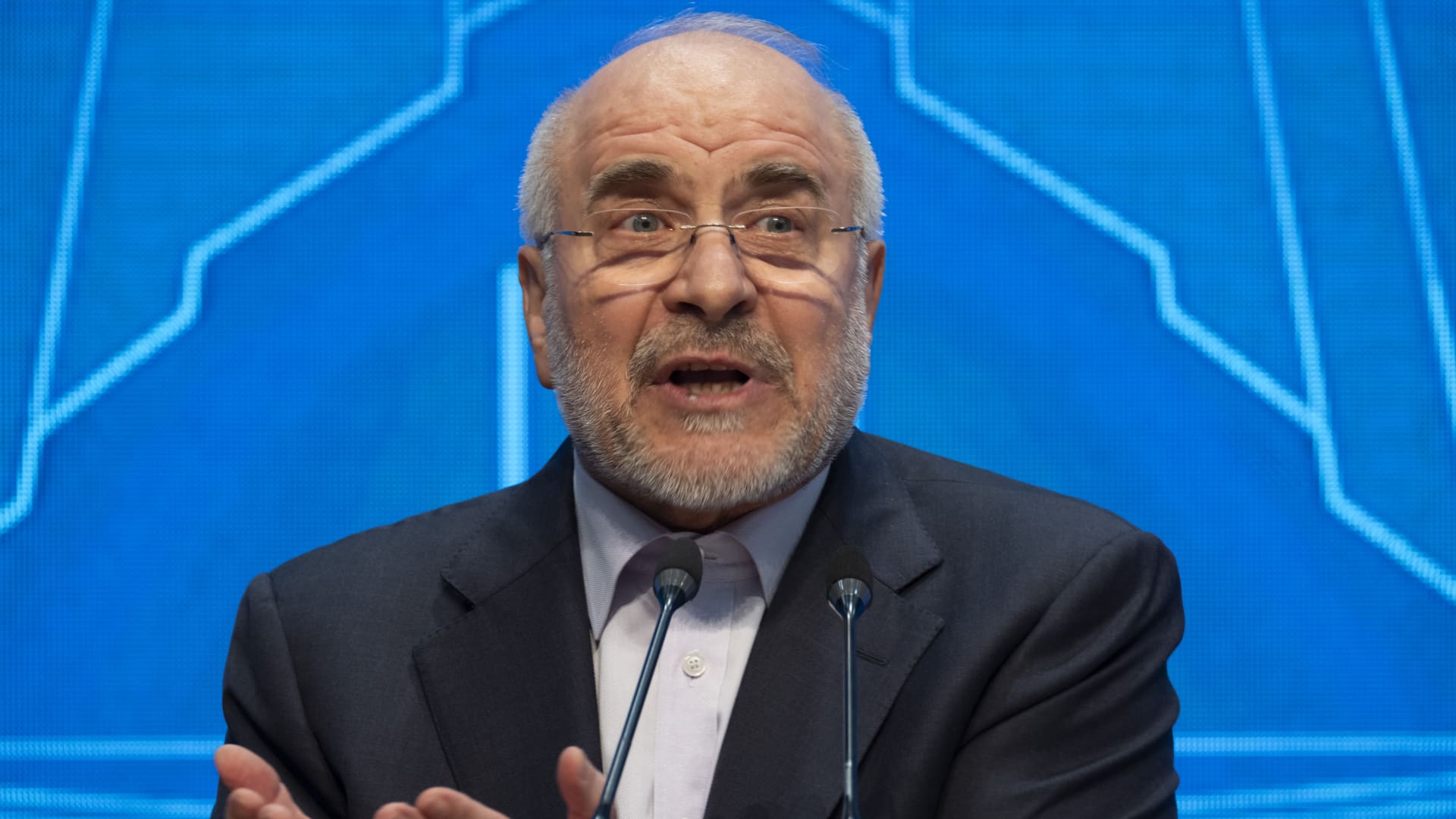
Iranian Parliament Speaker, Mohammad Bagher Ghalibaf, gestures while speaking with media in a media conference at a conference hall in the Iranian Parliament building in Tehran, Iran, on Dec. 2, 2025.
Morteza Nikoubazl | Nurphoto | Getty Images
Hello, this is Dylan Butts writing to you from Singapore. Welcome to another edition of CNBC’s Daily Open.
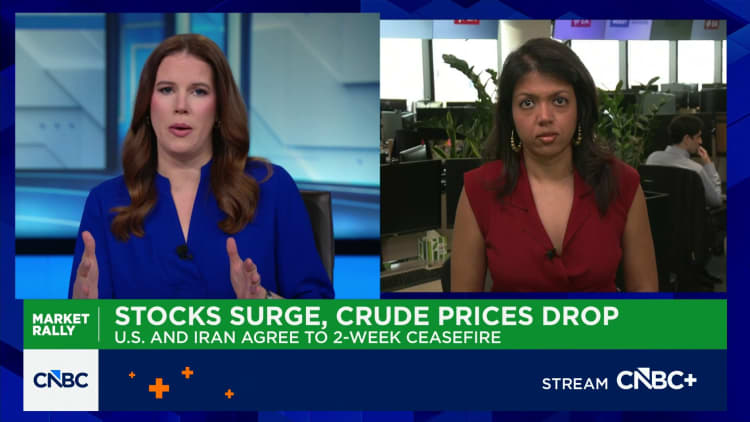
After weeks of escalating threats from President Donald Trump, a U.S.–Iran ceasefire brought a sigh of relief to markets on Wednesday.
But that optimism may’ve been premature. Within a day of the truce, the temporary ceasefire appears to be on shaky ground, with a large gulf emerging between Washington and Tehran’s interpretations of the deal.
What you need to know today
Just a day after a temporary ceasefire was announced, Iran’s parliamentary speaker, Mohammad Bagher Ghalibaf, accused the U.S. of violating three parts of Tehran’s 10-point proposal.
Those alleged breaches include Israel’s continued attacks in Lebanon, the entry of a drone into Iranian airspace, and the denial of the Islamic Republic’s right to enrich uranium.
“In such situation, a bilateral ceasefire or negotiations is unreasonable,” Ghalibaf said.
Vice President JD Vance addressed Ghalibaf’s allegations while traveling in Hungary on Wednesday, saying that “ceasefires are always messy.” He reiterated that the U.S. maintains Iran cannot enrich uranium and that the ceasefire agreement was never extended to Lebanon.
Vance also described the ceasefire as a “fragile truce,” adding that Trump was “impatient to make progress.”
The ceasefire, announced Tuesday, halted attacks for two weeks and triggered a relief rally across global markets, with the deal hinging on traffic through the Strait of Hormuz returning to normal.
The White House reinforced that point on Wednesday, stating that the agreement requires the Strait to reopen to ships “without limitation, including tolls.”
The first ships have sailed through the Strait of Hormuz since the ceasefire, but traffic remained low amid confusion.
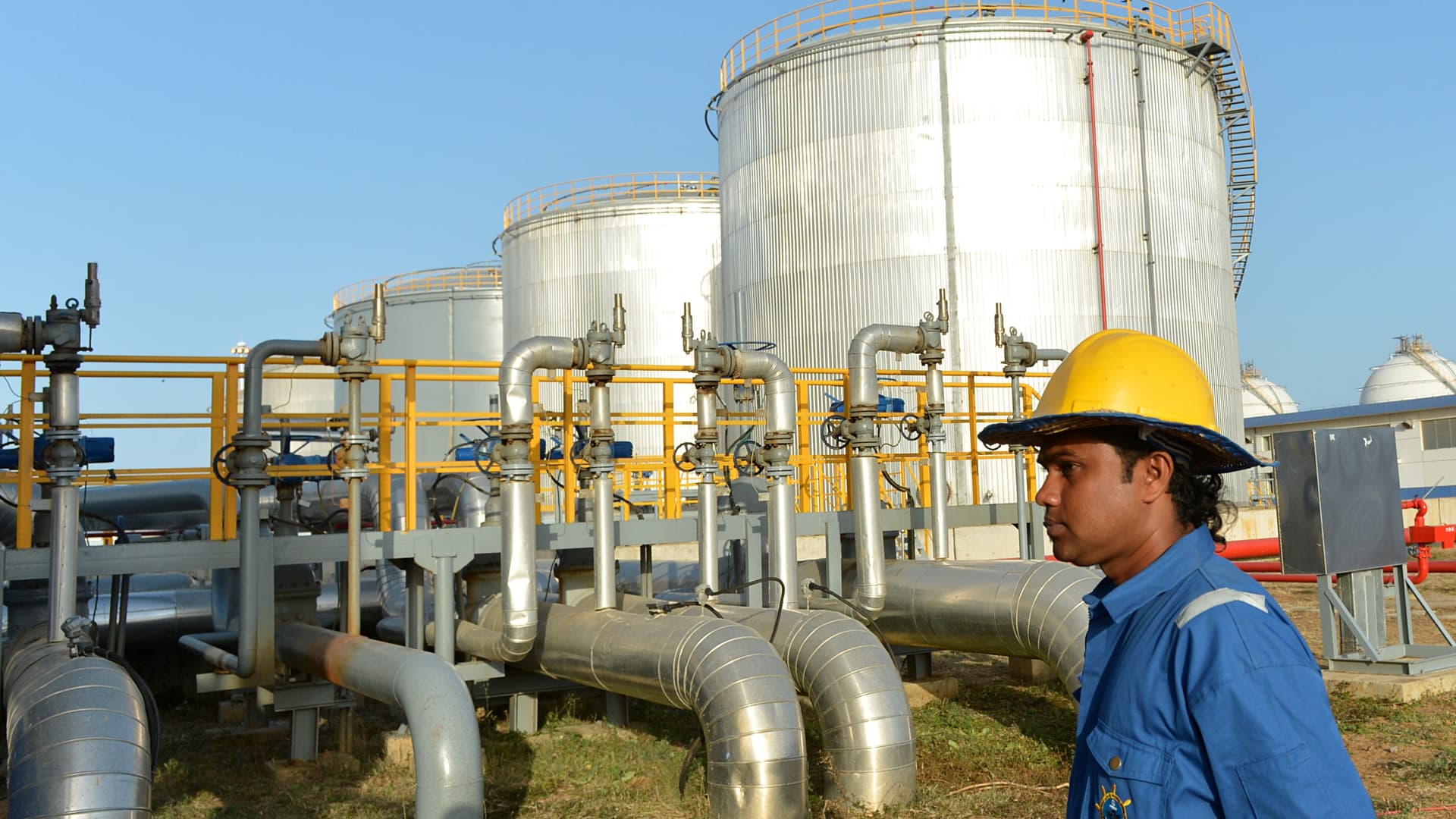
The Strait of Hormuz is vital to global energy supply chains, with oil prices plunging on Wednesday following the ceasefire.
However, after Tehran accused the U.S. of violating the truce, Brent crude futures for June delivery and U.S. West Texas Intermediate crude futures for May rose in Asia trading Thursday. Major Asia-Pacific markets also trended lower in early Thursday trade.
Meanwhile, U.S. futures were little changes after major indexes surged on Wednesday, with the Dow Jones Industrial Average posting its best day since April 2025.
Investors also received fresh signals on monetary policy. Minutes from the Federal Reserve’s latest meeting indicate officials still expect to lower interest rates this year, offering an additional tailwind for risk assets — assuming geopolitical risks don’t assert themselves first.
— Dylan Butts
And finally…
Anthropic loses appeals court bid to temporarily block Pentagon blacklisting
A federal appeals court in Washington, D.C., on Wednesday denied Anthropic’s request to temporarily block the Department of Defense’s blacklisting of the artificial intelligence company as a lawsuit challenging that sanction plays out.
The ruling comes after a judge in San Francisco federal court late last month, in a separate but related case, granted Anthropic a preliminary injunction that bars the Trump administration from enforcing a ban on the use of its Claude model.
“In our view, the equitable balance here cuts in favor of the government,” the appeals court said in its decision. “On one side is a relatively contained risk of financial harm to a single private company. On the other side is judicial management of how, and through whom, the Department of War secures vital AI technology during an active military conflict. For that reason, we deny Anthropic’s motion for a stay pending review on the merits.”
— Ashley Capoot
<