
Iran’s internet blackout extends into second week: NetBlocks
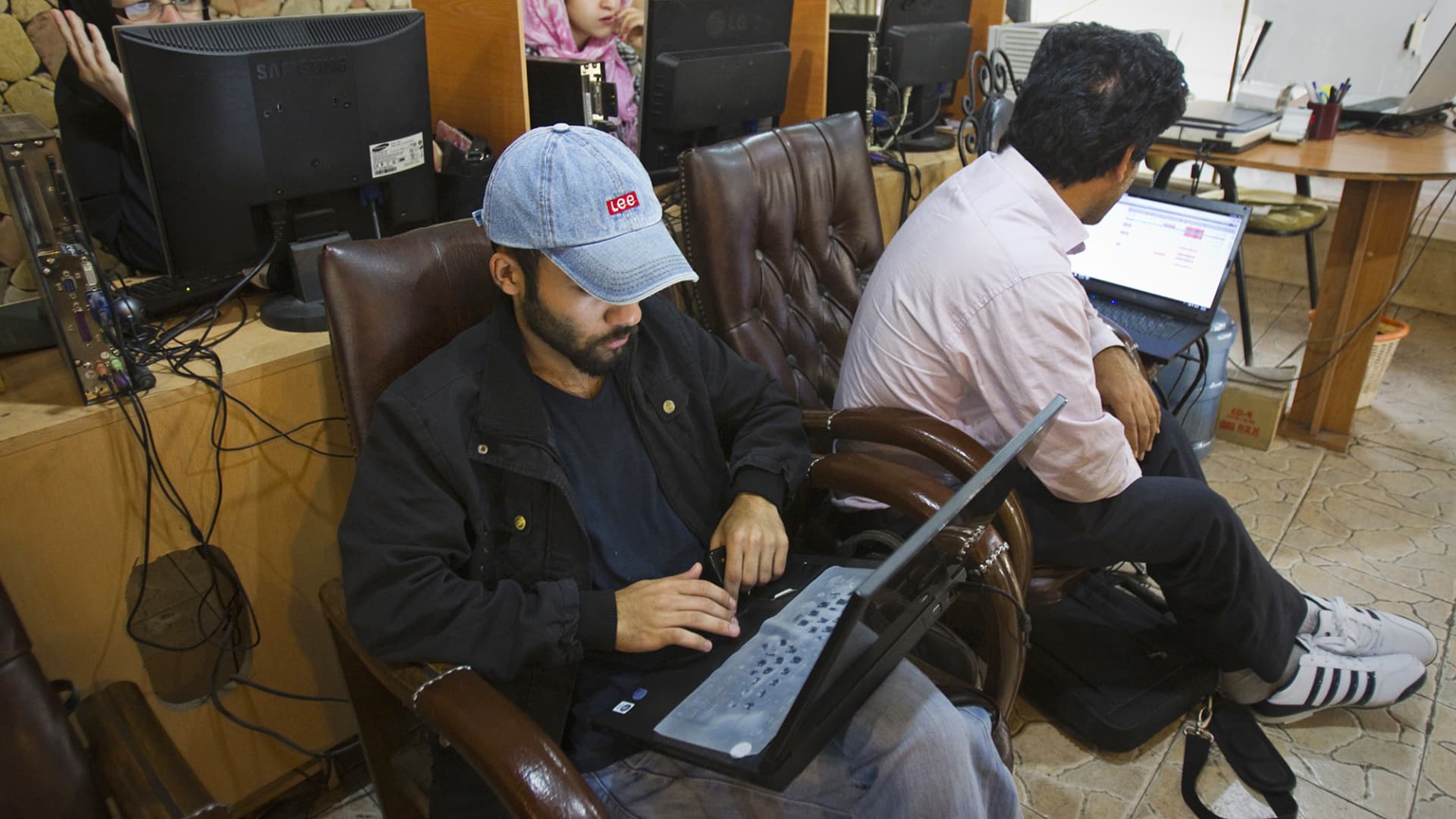
Customers use computers at an Internet cafe in Tehran, Iran.
Raheb Homavandi | Reuters
Iran remains under a near-complete internet blackout, data monitoring site NetBlocks, said on Saturday.
“A full week has now passed since #Iran fell into digital darkness under a regime-imposed national internet blackout,” NetBlocks said in a social media post.
“The measure remains in place at hour 168, leaving the public isolated without vital updates and alerts while officials and state media retain access,” NetBlocks said.
A chart in the post showed internet traffic at around 1% of its normal levels.
Internet traffic in Iran from Feb. 24, 2026 to March 7, 2026: NetBlocks via Mastodon https://mastodon.social/@netblocks/116186683967916133.
NetBlocks via Mastodon
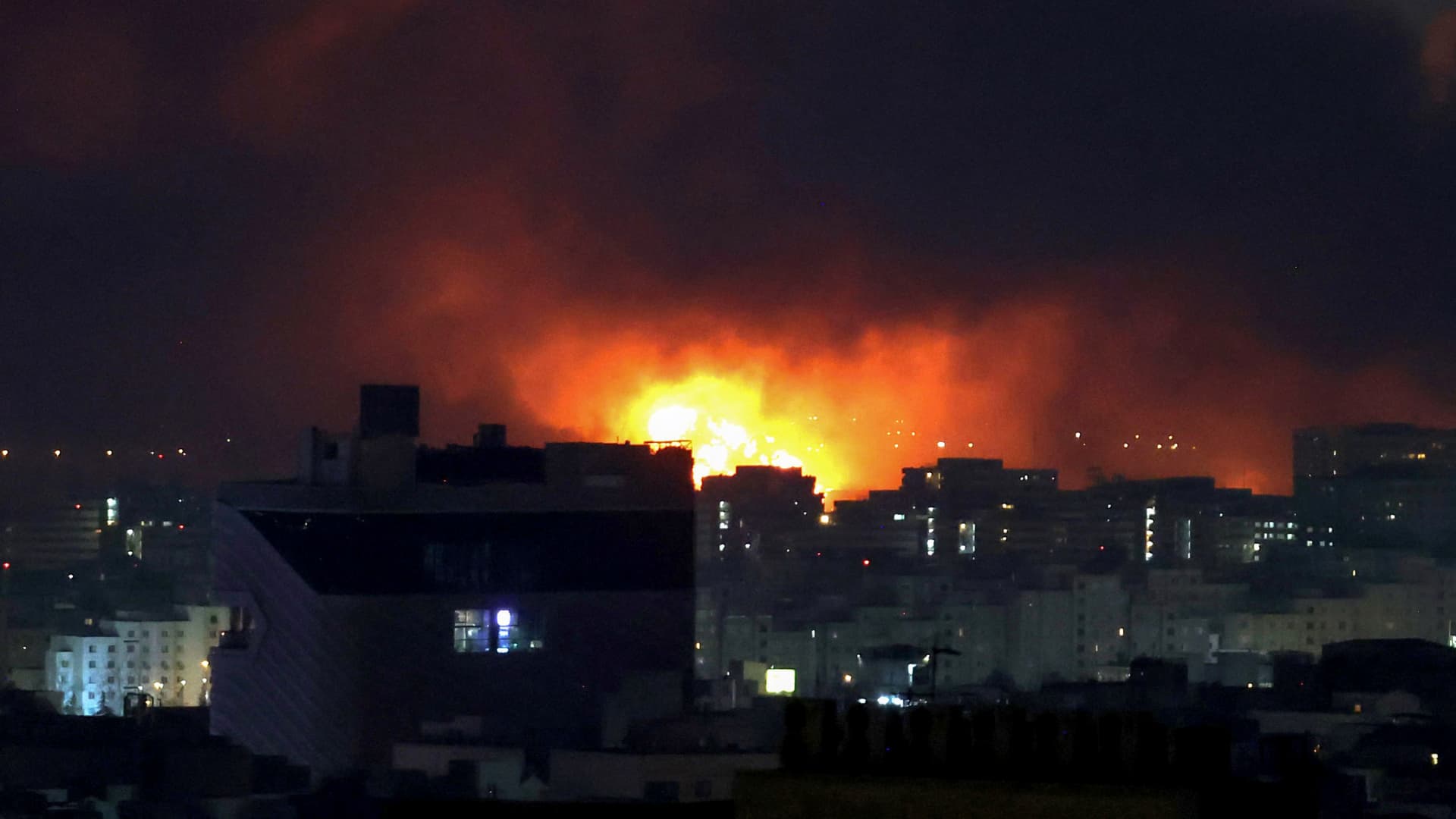
U.S. and Israeli airstrikes on Iran continued on Saturday, one week after they launched their joint campaign to rid Tehran of its nuclear and ballistic missile capabilities while also pushing for regime change.
Iran has implemented internet shutdowns during periods of social unrest in the past. A similar near-blackout was imposed for several weeks in January amid widespread protests in the country.
However, some analysts said that additional factors may be contributing to the internet disruption.
“While the actual cause is still unclear, it’s almost certainly a combination of both state-ordered suppression and external cyber disruption,” Kathryn Raines, cyber threat intelligence team lead at intelligence platform Flashpoint, told CNBC earlier this week.
Iran has not officially commented on the outage.
Analysts say that the lack of internet connectivity in Iran is likely to add to the fog of war, with citizens on the ground unable to communicate with their families, document events or get real-time updates on the conflict.
Cybersecurity firms warned that Iran is also likely to respond with cyberattacks, either carried out directly by the government or by affiliated proxy groups.
In a statement shared with CNBC, Adam Meyers, head of counter adversary operations at CrowdStrike, said the firm was “already seeing activity consistent with Iranian-aligned threat actors and hacktivist groups conducting reconnaissance and initiating [denial-of-service] attacks.”
— Dylan Butts contributed to this story.
<