Odds of a Fed rate hike by June are now higher than chances for rate cut
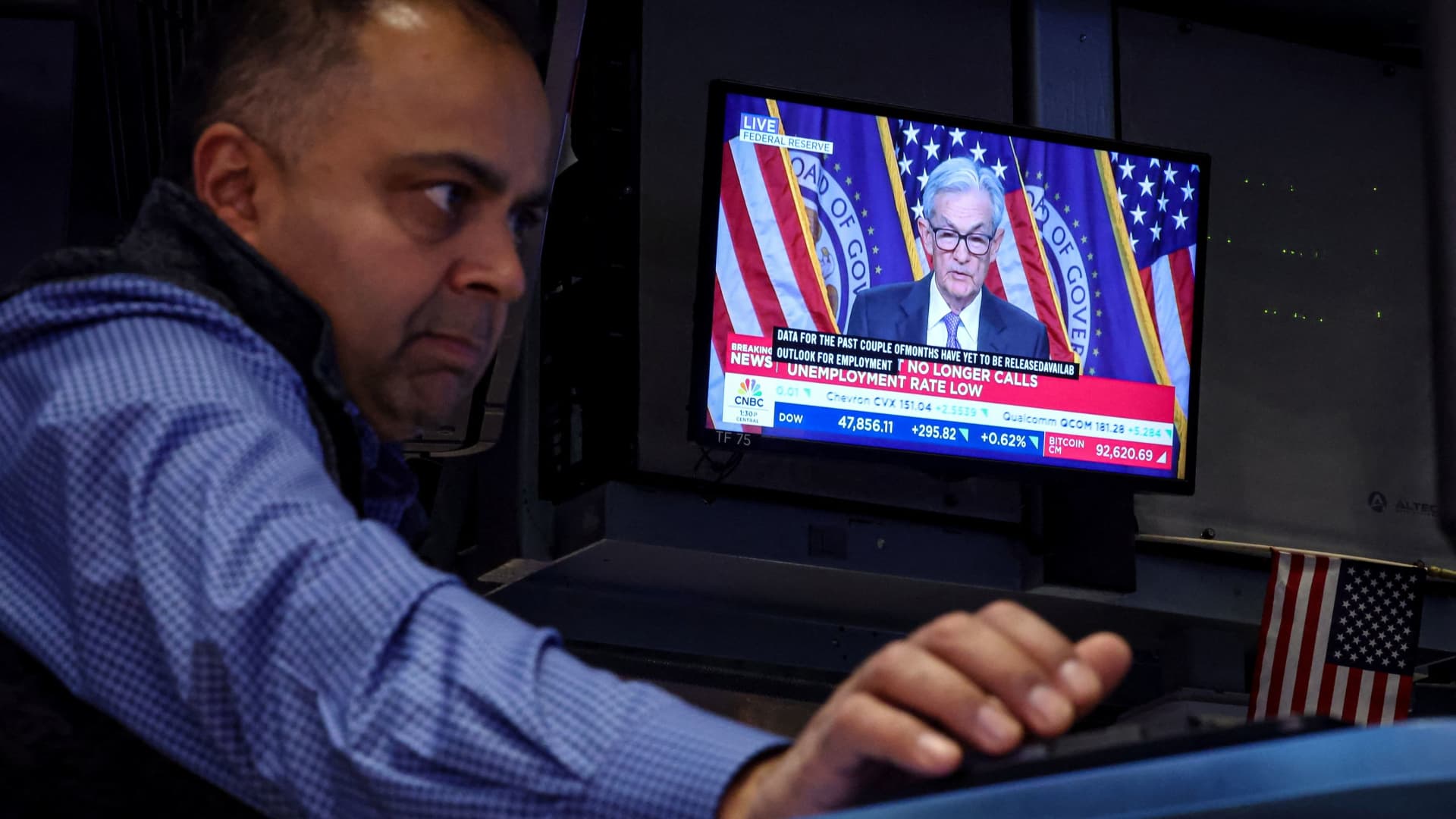
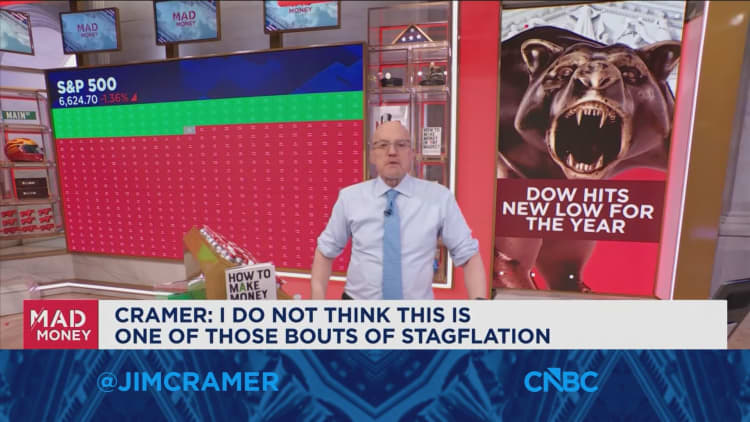
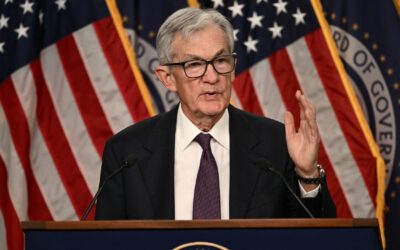
Something unusual is happening: The Federal Reserve is now more likely to raise rates by this summer than it is to cut them. The Atlanta Fed’s Market Probability Tracker now shows the odds of a rate hike stand at 19.2%, while the chances of a rate cut sit at 17.3%. This is a sharp reversal from where these probabilities stood in late February — before the U.S.-Iran war began. In Feb. 27, the likelihood of an interest rate cut stood at 39.7%, while odds of a rate hike were in the single digits, the tracker showed. “A month ago, no one would have believed this,” Ryan Detrick, chief market strategist at Carson Group, wrote in an X post on Tuesday. Detrick told CNBC on Wednesday that “the war and the spike in commodities across the board has pushed the rate hike percentages higher. At the same time, we’ve been seeing inflation concerns even before the war started.” Oil prices have spiked higher since the war began, raising concern among some economists about stagflation . This takes place when an economy is marked by high inflation and weak growth. Data released Wednesday added to those fears. The producer price index , which measures a broad basket of wholesale prices, rose in February by 0.7%. PPI also rose 3.4% on an annual basis. Inflationary pressures compounded with a weak job market and rising oil prices could push the Fed to hike interest rates. The Fed last raised interest rates in its July 2023 meeting, with the hopes of slowing inflation down in the aftermath of Covid. The FOMC cut interest rates three times by 25 basis points each in 2025, and the year ended with interest rates in the range of 3.5%-3.75%. The Fed opted to keep rates steady in January as well as on Wednesday, with some comments raising worries about inflation. “In the near term, higher energy prices will push up overall inflation, but it is too soon to know the scope and duration of the potential effects on the economy,” Chair Jerome Powell said in a news briefing Wednesday. “We are balancing these two goals in a situation where the risks to the labor market are to the downside, which would call for lower rates, and the risks to inflation are to the upside, should call for higher rates or not cutting anyway,” Powell added. “So we’re in a difficult situation, and we feel like our framework calls on us to balance the risks, and we feel like where we are now is just kind of on that borderline, the higher borderline of restrictive versus non-restrictive.” Gold in trouble? A Fed hike, while often opportune for stocks, could pose risks to commodities. Wall Street expected the U.S.-Iran war to drive gold prices up, inflation and Fed rate hikes as a result of the conflict would offset any gains, said Goldman Sachs analyst Amy Gower. “[I]f the Fed is not able to look through rising oil prices and we see a pause in cuts or even hikes, the set-up for gold may look more challenging.” Gower noted. Still, Gower and Detrick are still bullish on gold and expect prices to push comfortably past $5,000 in the second half of 2026. As for sectors to watch, Detrick said technology, industrials, materials and “parts of energy” will perform better on the economic acceleration triggered by rate hikes.
<