Oil prices soar amid Strait of Hormuz fears as Iran war intensifies

Oil prices have soared after U.S. and Israeli strikes on Iran continued on Sunday night.
Brent crude prices hit a new 52-week high on Monday, surging 9.3% to reach $79.40, while U.S. West Texas Intermediate prices also rose more than 9% to $73.10.
U.S. President Donald Trump said the “overwhelming military offensive” — which he has dubbed Operation Epic Fury — would continue until the U.S.’s objectives are achieved. Israel launched fresh strikes against both Iran and against Hezbollah targets in Lebanon late on Sunday, which came after Iran attacked military and infrastructure targets across several countries in the region.

Brent crude.
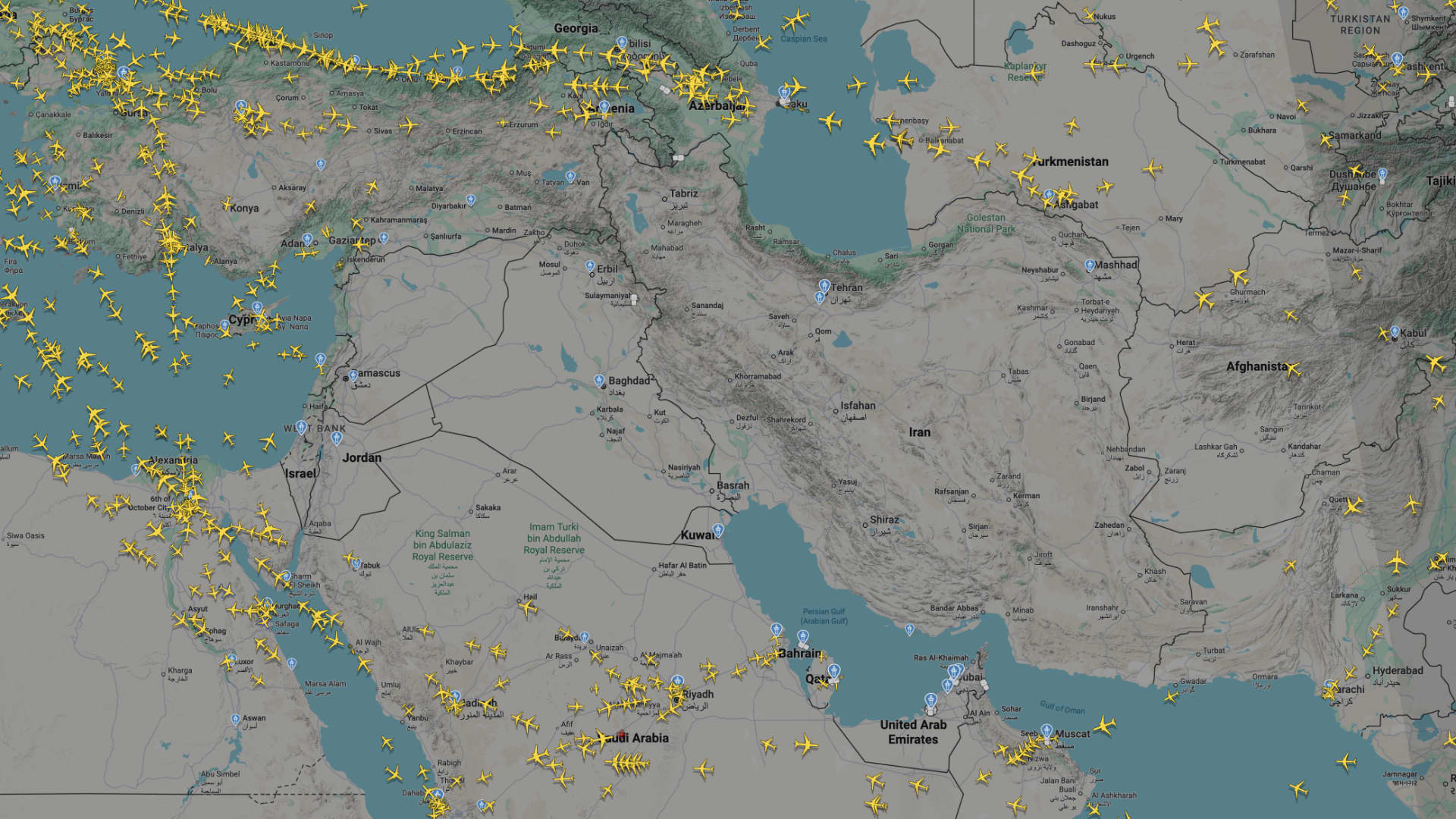
As the U.S. continues to target Iranian air defense systems and naval capabilities, global oil supplies have come into sharp focus.
Amrita Sen, founder and director of research at Energy Aspects, told CNBC on Monday that she expects oil prices to likely hold at around $80 level for some time.
Sen said that it is unlikely that the Strait of Hormuz — through which 13-15 million barrels, or 20% of global supply, of oil flows — would be closed altogether. She added that the bigger risk stems from one-off attacks on vessels passing through the area.
Sen said that the U.S. and Israel have the superior military power to ultimately neutralize Iran’s ability to completely shut off the Strait, a key shipping channel for oil producers such as Saudi Arabia, the UAE, Iraq, Iran, and Kuwait.
But single attacks on ships are more difficult to prevent. “This is something we’ve warned right throughout to our clients,” she said.
WTI.
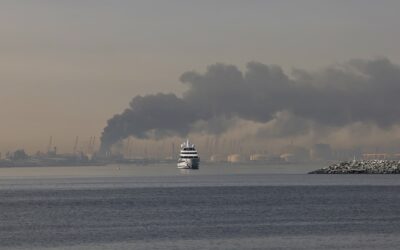
After three tankers were hit over the weekend, shippers are now being extremely cautious about going in, she added.
“That is the biggest issue right now — how do Asian refiners actually get the volumes from the Middle East?” Sen added.
She noted that Oman and certain UAE grids can bypass the Strait, while Saudi Arabia has contingency plans to move its oil through the East-West pipeline via the Red Sea.

“But even if you are able to move 5 million out through other methods, about 10 is still stuck,” she added.
Sen added that, if energy infrastructure is hit, the price of oil could hit $100.
She added that “the stakes are just too high” when it comes to potential attacks on infrastructure.
<