
Some of the big risks for the market in 2026, according to JPMorgan
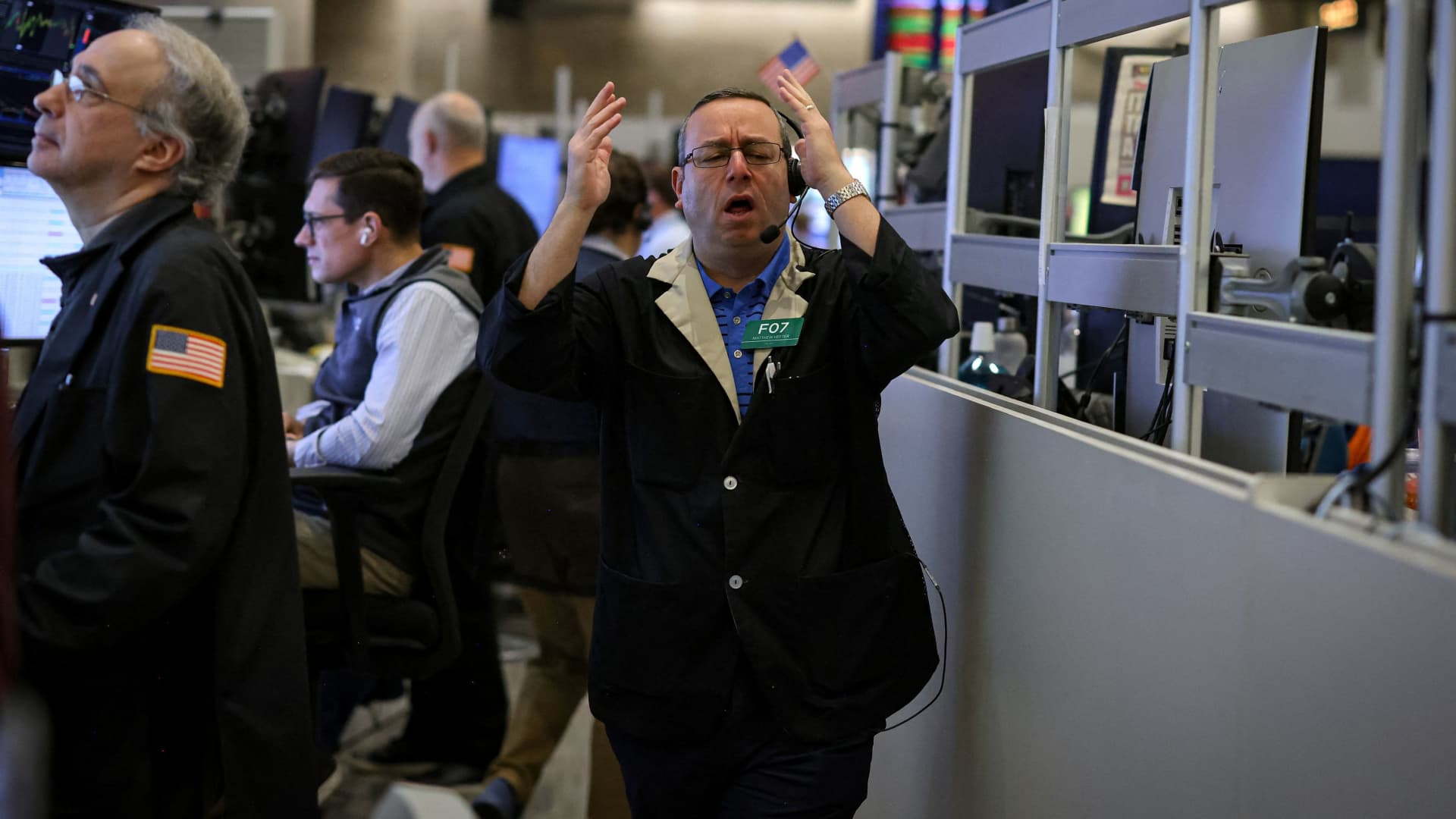
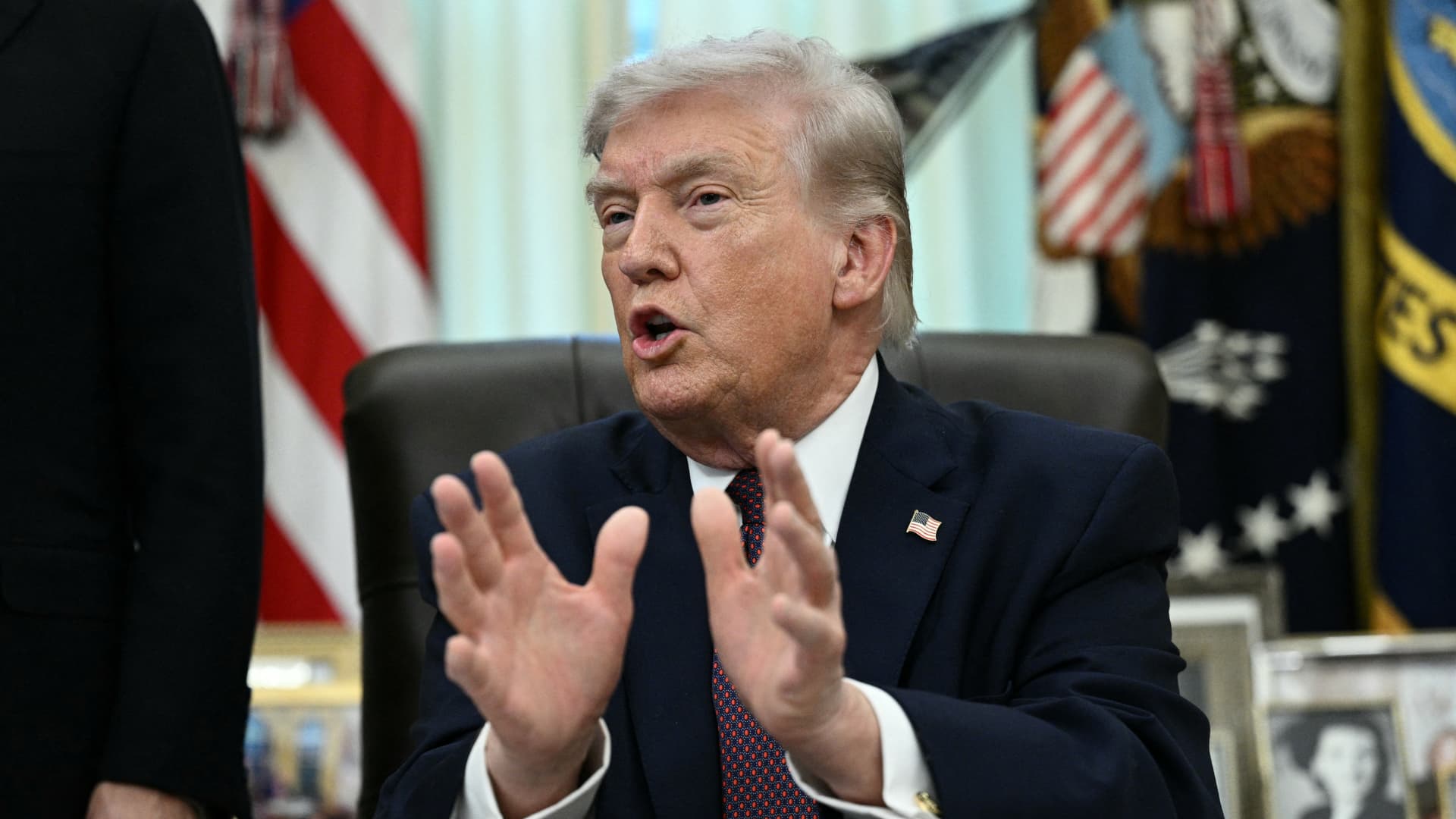
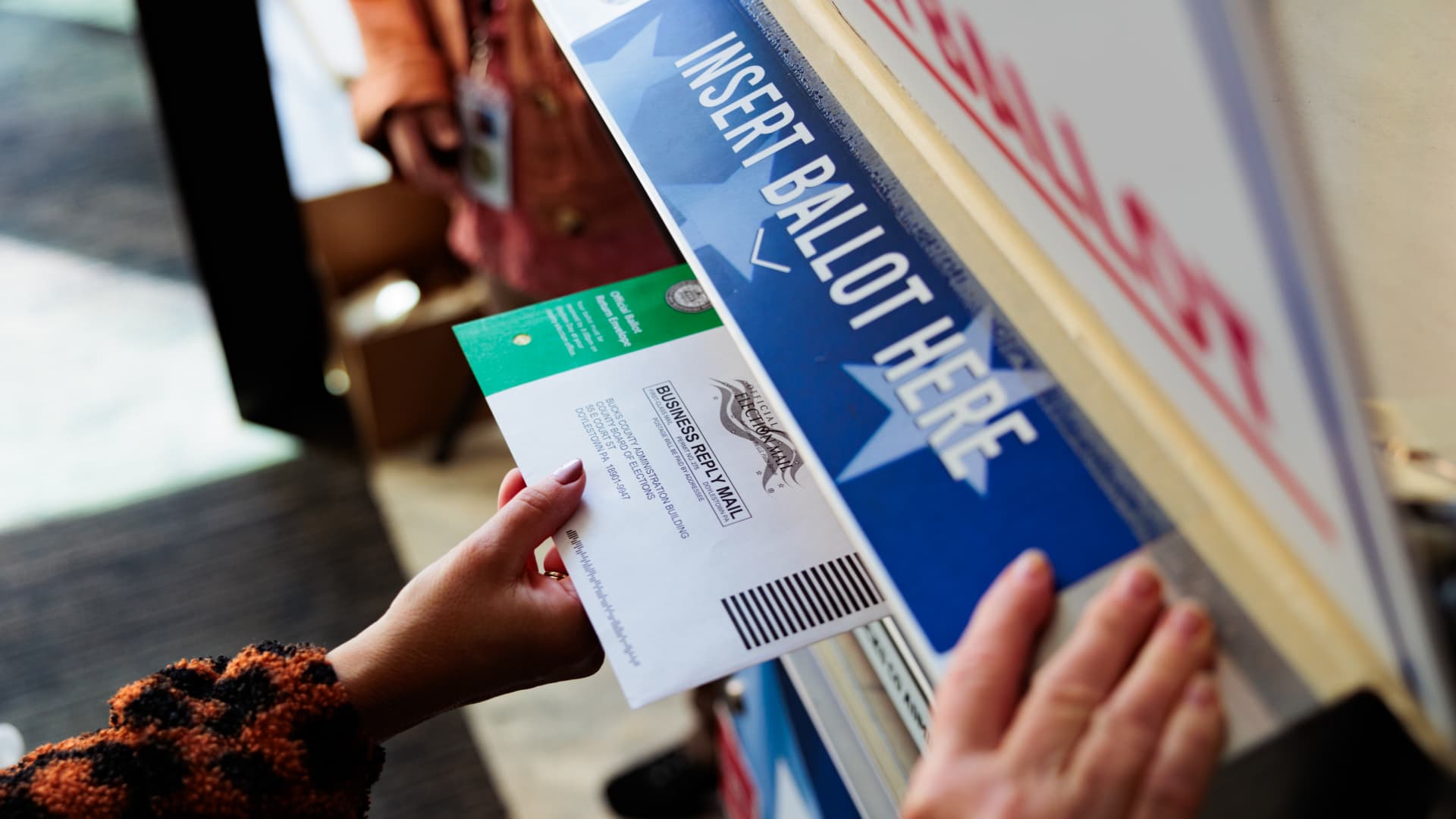
Without a doubt, 2025 has been a strong year for stocks. The outlook for 2026 is much murkier, however, according to JPMorgan. The S & P 500 is up 14% year to date and hit an all-time high late last month, fueled by excitement surrounding artificial intelligence stocks. To be sure, the market hit some turbulence in recent weeks, with investors questioning the multiples they’re paying for some AI names. That pressure might only increase next year. Joyce Chang, JPMorgan’s head of research, highlighted several risks Wall Street faces heading into the new year, following a macroeconomic conference JPMorgan held in New York last week. “Investors remain constructive on the outlook for the U.S. economy and markets, and see higher capex, AI validation and deregulation as tailwinds that should support market performance going into 2026,” Chang wrote. “Yet risks abound, including the possibility of a durable shock to the supply side from the cyclical weakening of the labor market as well as the ongoing need to address cost of living, affordability concerns and inflation.” Here are some of the potential perils for the market heading in to the new year: Tariff revenue at risk from Supreme Court decision The Supreme Court is expected to rule on the legality of many of the tariffs implemented by the Trump administration. While it’s unclear how the high court might rule, even some conservative justices expressed doubt about the legal standing of the tariffs. “There remains significant uncertainty on the outcome of the Supreme Court case that will decide whether the congressional statute, IEEPA, authorizes the Trump administration’s imposition of reciprocal and fentanyl-related tariffs under emergency powers. Predictions from legal analysts were split, with one speaker noting that oral arguments suggest a possible path to upholding the tariffs … but strong constitutional arguments persist against delegation of tariff authority from Congress,” Chang wrote. “This suggests downside risk to the $350bn in annualized tariff revenue that is assumed in our US economics base case scenario, which is currently forecasting a 6.2% of GDP deficit for FY2026,” Chang added. U.S.-China relations Another future risk is escalating tension between the U.S. and China. “Following the Xi-Trump summit in Korea, President Trump appears to be leaning into a G2 framing of the relationship between the U.S. and China, avoiding escalation triggers, with each side seeking incremental advantages through chokepoints that stop short of outright confrontation,” said Chang. “China’s demonstration of its leverage through targeted controls on magnets and critical minerals that touch everything from missiles to car seats has exposed how dependent the world is on Chinese chokepoints,” she added. Midterm elections “The margin of victory by Democrats makes it clear that the House is in play for the midterm elections. As of today, Democrats need to win three seats to flip the House,” Chang wrote. “Should Democrats reclaim a chamber of Congress in 2026, increased legislative-executive conflict is likely, intensifying inter-branch feuding beyond the already contentious recent shutdowns.”
<