
UK budget update, the Spring Statement, what to expect
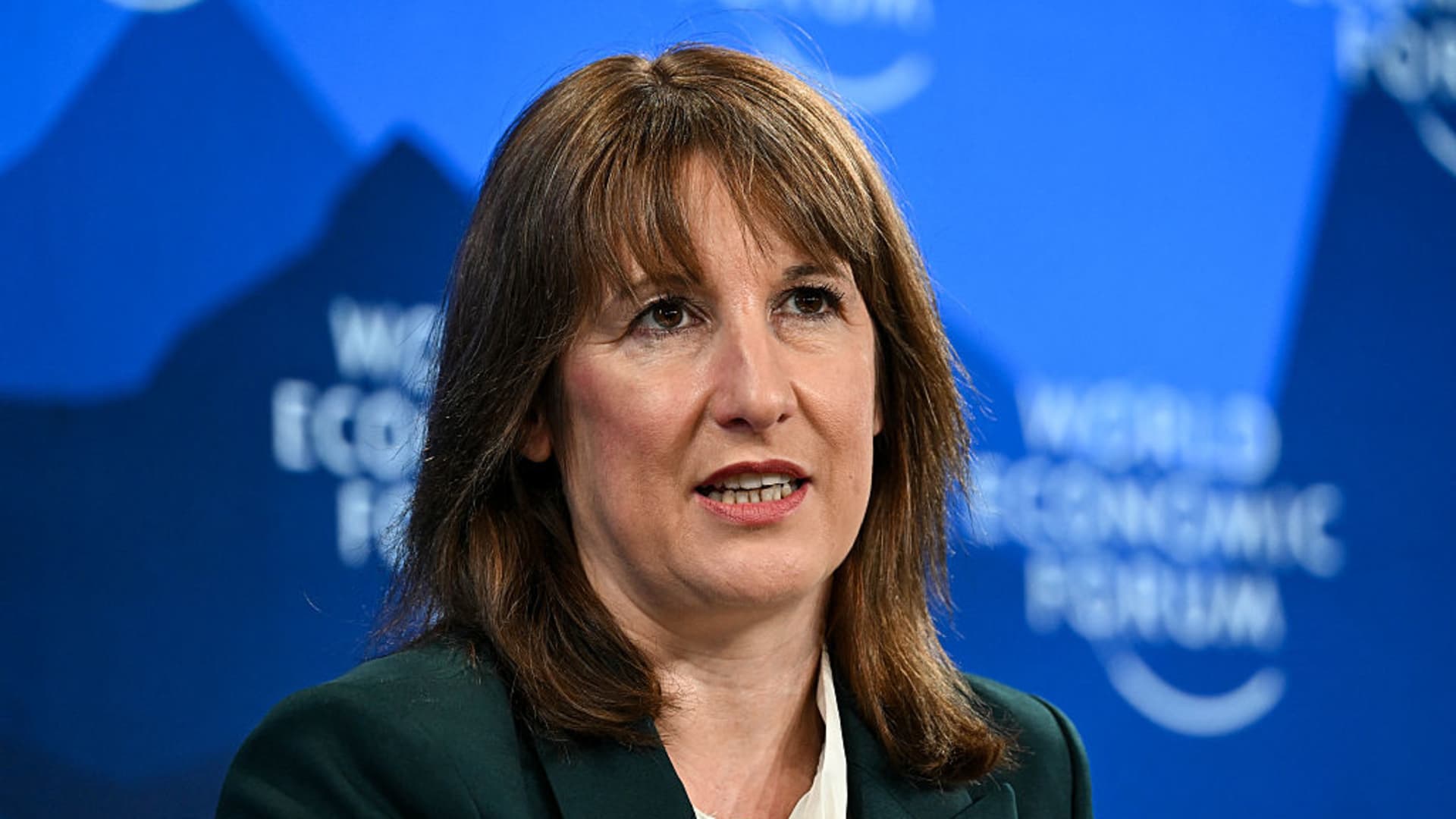
Britain’s Chancellor of the Exchequer Rachel Reeves speaks during the World Economic Forum (WEF) annual meeting in Davos on January 20, 2026. The World Economic Forum takes place in Davos from January 19 to January 23, 2026.
Fabrice Coffrini | Afp | Getty Images
As the U.K.’s Finance Minister Rachel Reeves prepares to give an official update on the state of the British economy and public finances, economists say they’re not expecting dramatic revisions.
“Big picture, we’re not expecting any fireworks,” Sanjay Raja, chief U.K. economist at Deutsche Bank, said in a preview of the spring budget update, formally known as the Spring Statement, which Reeves will deliver on Tuesday.
The government had already signalled that it is prioritizing the annual Autumn Budget later in the year as its main fiscal event, where it presents its major spending and taxation plans for the year ahead.
In November, Chancellor Reeves said the Spring Statement would include an “interim update on the economy and public finances” from the independent public finances watchdog, the Office for Budget Responsibility (OBR), and that there would be no policy changes unless there is “a significant change to the economic outlook that requires a response.”
“With the Autumn Budget taking place only three months ago, we see very little in any new information” that could be presented in the 2026 Spring Statement, Raja said, noting that “much has been done to downplay” it.
Reeves will likely emphasize that her previously-unveiled plans, including tax rises on business and big infrastructure spending, are starting to bear fruit.
What to expect
As with the Autumn Budget, the Spring Statement is accompanied by the latest economic and fiscal outlook from the OBR, as it assesses the government’s tax and spending plans.
The OBR is responsible for assessing whether the chancellor is on course to meet her “fiscal rules” on spending, borrowing and lowering debt, but while it would usually assess this at the time of both the Autumn and Spring Statements, it will now only give its assessment of the fiscal rules in the fall.
“There will not be a formal assessment of whether or not the government are meeting their [fiscal] targets, but the numbers will be there,” the OBR has said.
Analysts will be keeping an eye on how much fiscal “headroom” Reeves has to meet her fiscal rules, given major public spending initiatives and U-turns on cost-cutting measures in recent months.
“Headroom will be very easy to infer, and we sense that the market expects it to remain at around £20 billion,” Morgan Stanley economists said in a note ahead of the Spring Statement. “Modest forecast adjustments, strong cash tax receipts and £3.5 billion in extra current spending all mix to result in a small drop in the fiscal headroom,” they noted.
Britain’s Chancellor of the Exchequer Rachel Reeves (R) stands with Britain’s Prime Minister Keir Starmer (L) as she is applauded after delivering her speech on the second day of the annual Labour Party conference in Liverpool, north-west England, on September 29, 2025.
Oli Scarff | Afp | Getty Images
Reeves and the ruling Labour Party will be wary of announcing anything that could upset consumers or businesses at a time when the party is struggling in opinion polls ahead of nationwide local elections in May, the next electoral test ahead of a general election, which has to take place by 2029.
Deutsche Bank’s Raja noted that there had been speculation that Reeves could surprise with a sweetener or two, but added: “We think any new spending measures will be marginal — if that.”
“Big picture … public finance pressures are rising. Spending envelopes after the current spending review period remain tight,” Raja added.
<