Which retailers win and lose from high gas prices? Deutsche Bank sorts it out
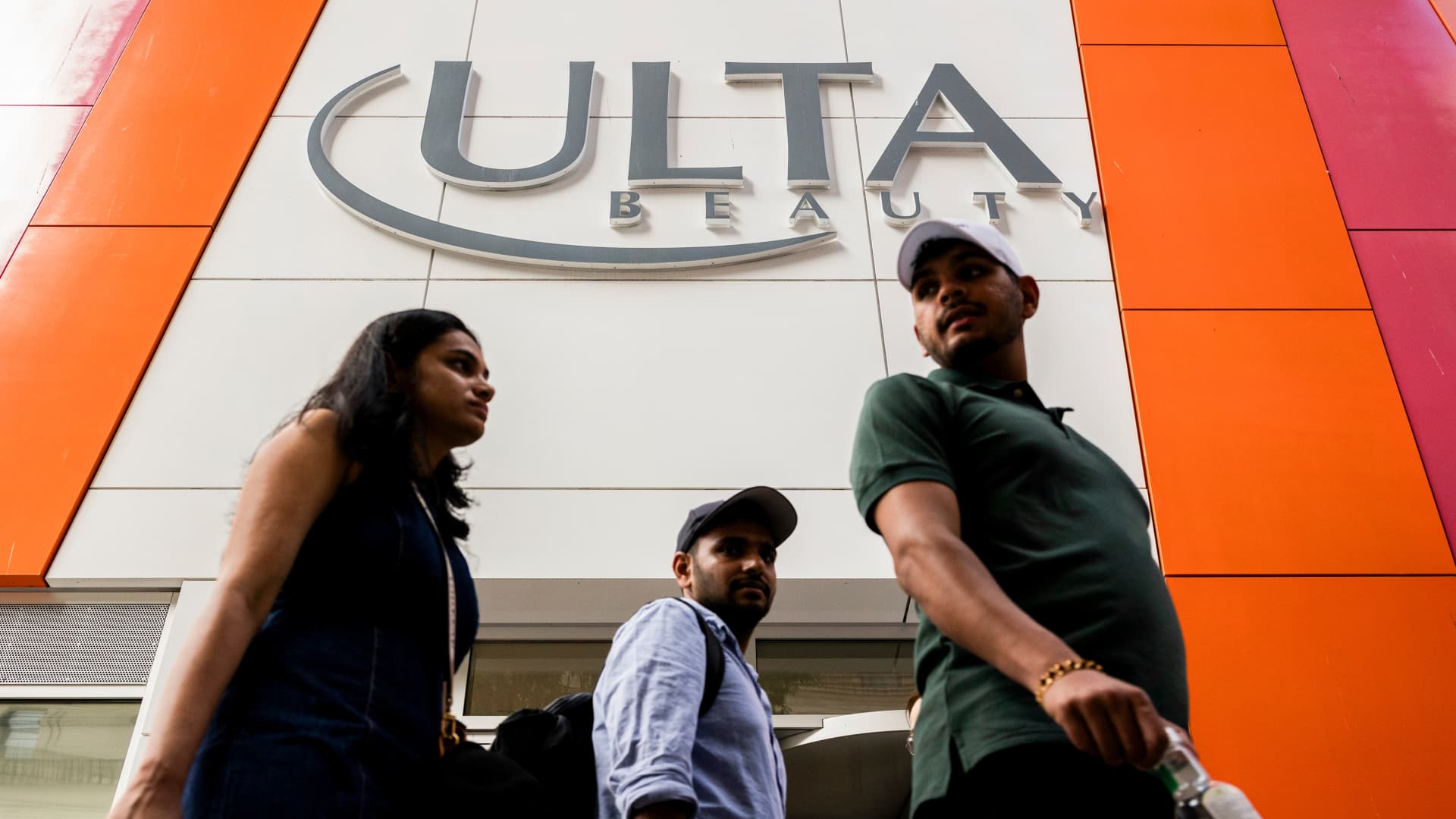
As fuel prices continue to rise, companies indexed to higher-income customers may be best positioned to weather the elements, according to Deutsche Bank. The ongoing Middle East conflict has shocked global energy supply chains in recent weeks, spiking Brent crude futures back above the $110 per barrel level on Friday. Deutsche Bank analysts pointed out in a Friday note that diesel is now above $5 per gallon for the first time since 2022, which could have secondary effects on the U.S. retail sector. @LCO.1 1M mountain Brent crude futures in the past month “We recognize the significant uncertainty surrounding the duration and impact from the ongoing Middle East conflict,” analyst Krisztina Katai said. “Middle East revenue exposure across our coverage is limited; the bigger issue is the risk of cost pressures from higher diesel and input costs, which could add a meaningful burden to U.S. household budgets, and intensify stresses already visible across U.S. customer cohorts.” To find the companies whose top lines are least affected by rising oil prices, Katai compared the correlation of quarter same-store sales and share prices to moves in prices at the pump over the past five years. “Retailers and brands whose customer bases skew higher income have historically showcased a positive relationship between oil/fuel prices and [same-store sales],” she wrote. This cohort includes Ulta Beauty , Costco Wholesale and Casey’s General Stores . On the other hand, dollar stores such as BJ’s Wholesale Club and Burlington Stores show a negative correlation to gas prices, Katai said. The finding confirmed suspicions that as gas prices increase, lower income customers reduce their purchases, the analyst noted. She added that Sprouts Farmers Market also shows an inverse relationship to changes in gas prices, which the analyst attributed to its nature as a secondary destination. In an environment of higher gas prices, consumers are more likely to consolidate trips and stay closer to home. Certain companies also have greater exposure to Europe, the Middle East and Africa, such as Birkenstock . Approximately 37% of its revenue is exposed to those parts of the world, Deutsche Bank found. The sandals manufacturer is followed by VF Corp , Ralph Lauren and Nike , which respectively have 34%, 30% and 27% revenue exposure to EMEA, according to the firm. “That said, all global brands/retailers could see the negative impacts of the stronger USD, and there is risk to European consumers coming under increased pressure,” Katai said. The conflict could also impact other commodities, such as petroleum-based raw materials and synthetic fibers like polyester and nylon. However, the analyst noted that most global brands are sitting on at least two quarters’ worth of finished goods inventory, helping mitigate their risk of near-term margin pressures. “Specifically, Amer Sports and Birkenstock have > 200 days of finished goods inventory on hand, closely followed by Ralph Lauren at 195,” Katai said. “Nike and Lululemon, by our calculations, have a little over a quarter worth of finished goods inventory.” —CNBC’s Michael Bloom contributed reporting.
<