Why Warsh’s efforts to shrink the Fed balance sheet might not wreck markets
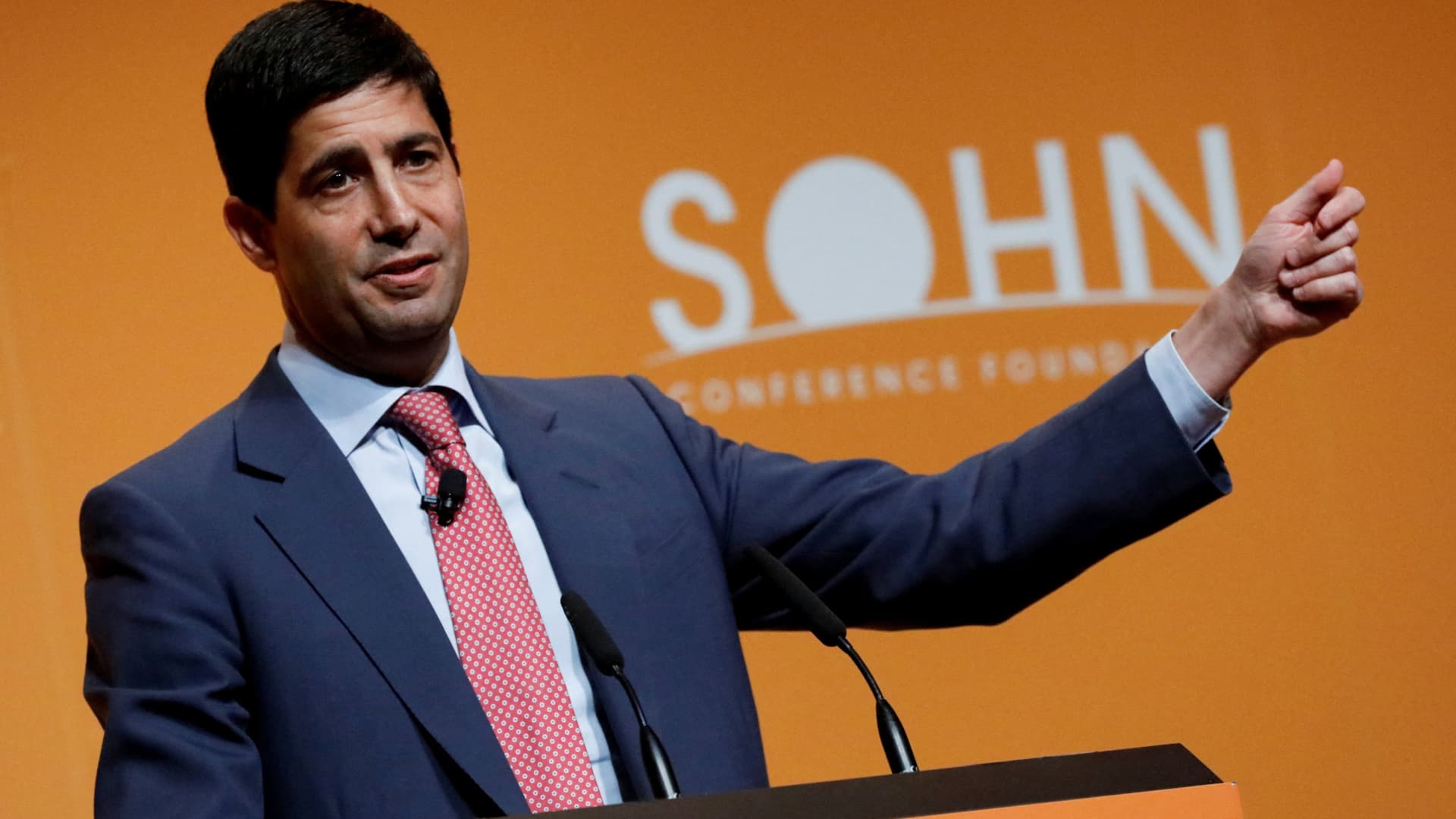
As Federal Reserve chair, Kevin Warsh could be expected to take a hammer to the central bank’s balance sheet, which for years had been tied closely to the ups and downs of the stock market. However, the prospect of a Fed chair determined to shrink asset holdings may not be the risk-off moment for the market as it appears on the surface. After all, more than three years’ worth of tightening this decade without lasting damage to stocks has weakened the once-tight link between the Fed’s money printing and market performance. For years after the global financial crisis , the market and S & P 500 marched in lockstep with the Fed’s quantitative easing program. That has not been the case since the Fed in 2022 went the opposite way, into quantitative tightening, a period during which stocks continued to scale new heights. The Fed halted QT in late-2025 and recently has begun expanding the balance sheet again through bill purchases. “QE was always overrated, and there is no mechanical relationship between the Fed’s balance sheet and anything that matters,” Dario Perkins, managing director of global macro at TS Lombard, said in a note. In the worst-case scenario tightening “quickly runs into ‘plumbing’ problems and is abandoned. Warsh’s credibility would be the main casualty.” The implication is that Warsh, whom President Donald Trump said last week he will nominate as the next Fed chair , will only condense the Fed’s holding as much as the market and commercial banking balance sheets allow. Since the central bank started QE in 2008 to pull the economy out of the financial crisis, it has implemented new rounds each time bank reserve requirements rose and the economy slowed. Halting QE has resulted in market damage, most notably when the Fed stopped asset purchases in 2010 and the market just missed slipping into a bear. More notably, a round of QT in 2018 resulted in a huge market slide that forced the Fed both to stop raising interest rates and to reverse course on tightening. Changing relationship However, the mechanical link between the balance sheet and risk-asset performance has unraveled due to factors not present in the earlier QE rounds. In recent years, much more muscular fiscal policy — including soaring debt and deficits — has joined with earnings growth and sector-specific forces such as technology gains to underpin market performance even as the Fed has withdrawn liquidity. For Warsh, that raises both perils and opportunities. The balance sheet , consisting mostly of Treasurys and mortgage-backed securities, is at $6.6 trillion now, astronomically high by pre-Covid pandemic standards but down nearly $3.5 trillion from its peak. The prospective chair, who has railed in the past against QE in part because he believes it distorts market pricing, may have license to shrink the balance sheet more. But if he overdoes it, causing dollar-funding stress, tumult in the Treasury market or reserve scarcity, he runs the risk of having to reverse course. “We do not believe further QT, if attempted, would pose a material threat to either asset prices or the broader economy,” TS Lombard’s Perkins said. Moreover, Warsh will face practical obstacles, part of which is the current regulatory framework that dictates how much in reserves banks need to hold and the composition of assets they need to keep. One way banks get reserves is through the Fed buying up securities that flow into those reserve accounts. “Warsh has advocated for a ‘regime change’ that involves rapidly shrinking the Fed’s balance sheet,” wrote George Goncalves, head of U.S. macro strategy at MUFG. “In our view, we do not expect a Warsh-led Fed to quickly reduce the balance sheet as there would need to be many changes on bank regulation before that happens.”
<