
Citi Wealth warns markets may be ‘uncomfortably strong’ as risks mount

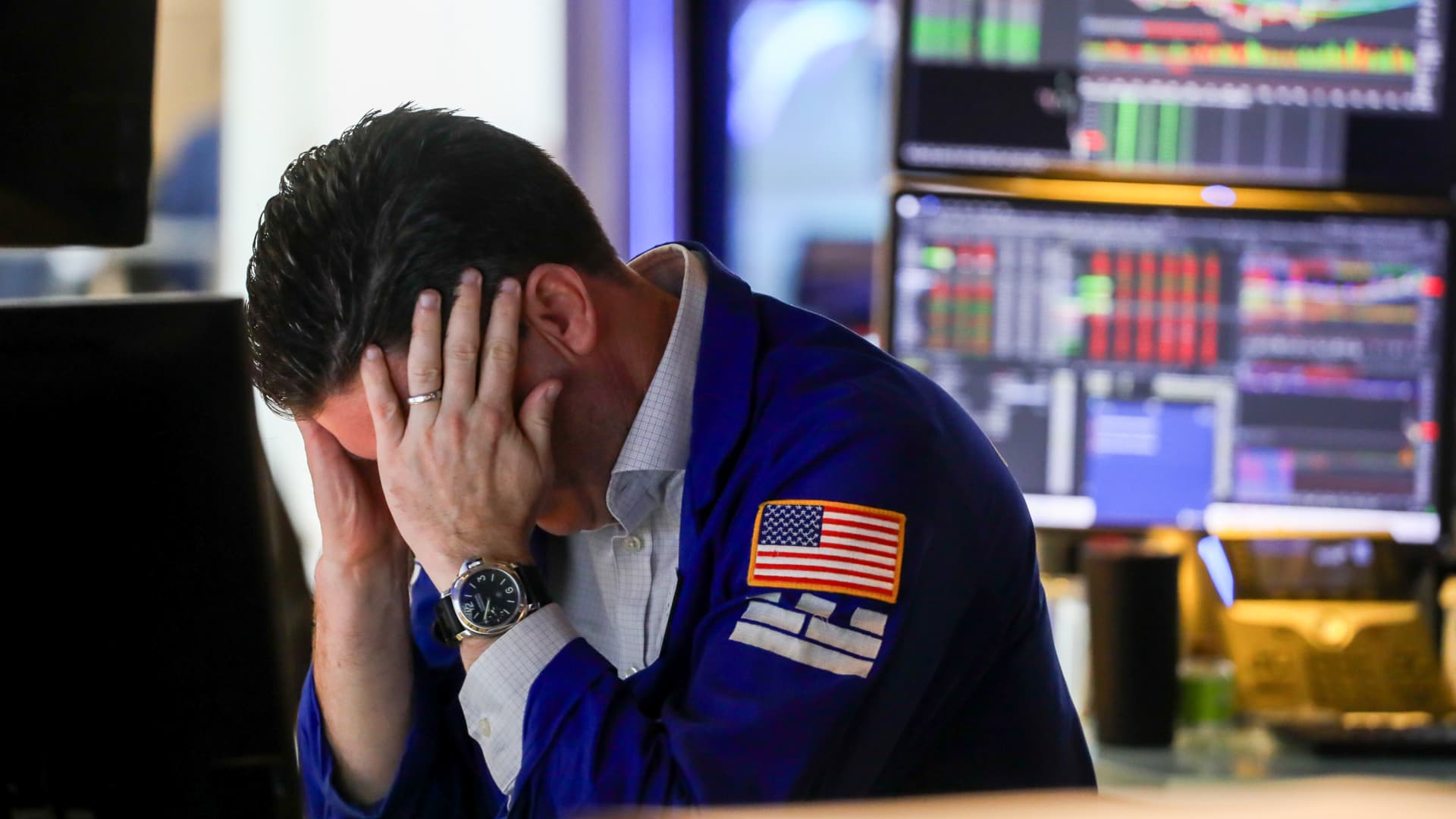
Global markets may be due for a period of consolidation after a sharp rally in equities, even as the longer-term outlook for stocks remains positive, according to Citi Wealth’s chief investment officer Kate Moore. Speaking to CNBC on the sidelines of the Citi Pan Asia Conference, Moore said markets have been more resilient than investors expected in recent months despite persistent concerns surrounding the Middle East conflict, sticky inflation and crowded investor positioning. “Markets were focused in the last few weeks on really phenomenal earnings and the upgrade to spending expectations that came out as companies talked about their earnings, so that everyone got very positive,” Moore said. “It feels sometimes like markets can only focus on one thing at a time,” and “for some people the market’s been uncomfortably strong since the March lows.” The rally has been underpinned by resilient U.S. economic data and strong earnings growth, particularly among technology and artificial intelligence-linked firms. The MSCI World Index, which tracks developed-market large and mid-cap stocks, is currently hovering at record high levels, and is up more than 13% off its March trough. For one, tech behemoth Microsoft reported better-than-expected quarterly results recently and told investors that capital expenditures for the year will reach $190 billion due to soaring memory costs. Amazon also posted better-than-expected earnings and revenue for the first quarter, and reported cloud sales that topped analysts’ expectations. Moore does expect equities to end the year higher. Any near-term pullbacks, including those potentially triggered by a more hawkish Federal Reserve stance, could present buying opportunities for investors, she said. Still, she cautioned that investors may be underpricing risks heading into the second half of the year, anticipating a “period of consolidation” and “digestion” following the rapid rebound in risk assets over recent months. “One of them, of course, is around the ongoing geopolitical and energy crisis in the Middle East,” Moore said. “The next is around the broadening of inflation, which I don’t think enough people are factoring into their expectations for fundamentals in the second half of the year.” She also pointed to potential political and policy volatility later in 2026 that has yet to be fully reflected in asset prices. —CNBC’s John Patrick Ong contributed to this report.
<