Inflation reading Tuesday expected to show prices at nearly a three-year high
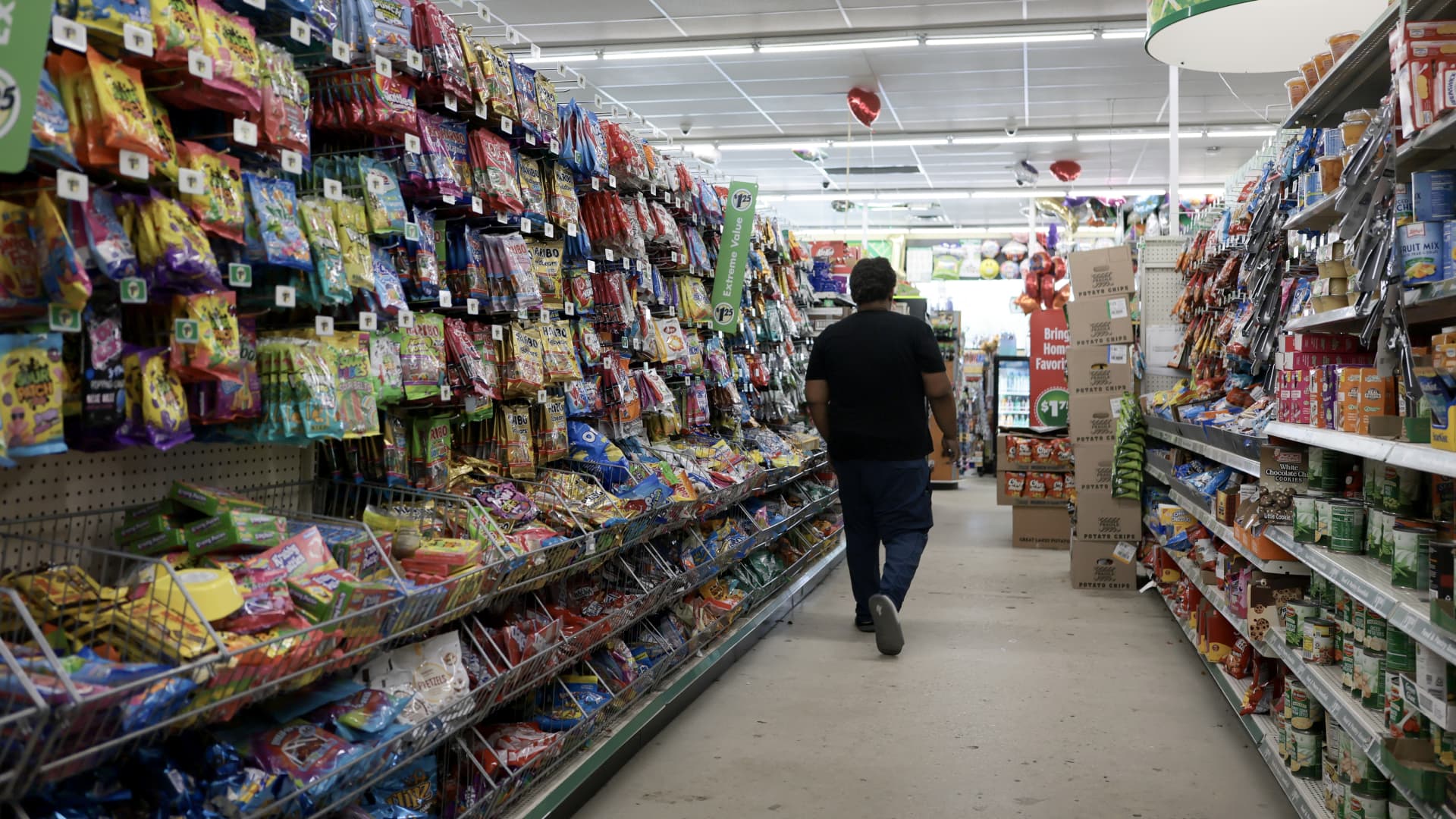
An inflation reading due Tuesday is expected to show price gains at their highest level in nearly three years, setting up potential challenges for investors and Federal Reserve officials alike. April’s consumer price index , a broad gauge of the cost of goods and services across the U.S. economy, is forecast to reach an annual rate of 3.8%, owing to a 0.6% jump in monthly prices as the oil shock continues to slam consumers, according to the Dow Jones consensus among economists. If that’s the case, it will put headline inflation at its highest level since May 2023, just as prices were beginning to cool from a similar energy jolt caused by Russia’s invasion of Ukraine. The report “may do more than confirm another uncomfortable inflation print,” wrote Jordi Visser, head of AI Macro Nexus Research for 22V. The trend from “the last two months will look a lot more like 2022 than the disinflation story markets have been telling themselves.” Indeed, concerns have been rising that financial markets are choosing to look through the current spike as a temporary event caused by the Iran war . Derivatives contracts that hedge against inflation risk are around their highest since October 2025 but still relatively tame, and futures traders expect Fed officials largely to sit on their hands until the inflation storm passes. Expectation risk A hot, or even consensus, CPI report might change expectations. Inflation had been slowly ticking back down to the Fed’s 2% target. But the Middle East fighting changed that, with even core prices , which exclude food and energy, moving back higher. The forecast for core CPI is a 0.3% monthly move and a 2.7% annual gain, both 0.1 percentage point higher than in March. Visser noted persistent increases in transportation and warehousing indexes as indicative that the price shock is spreading beyond the energy industry. “Oil is not the whole story, but it is a very big part of why the story is getting worse, and we still don’t have the Strait [of Hormuz] open,” he said. “That is not the profile of a passing inflation scare. That is what it looks like when movement, storage and replenishment are all becoming more expensive at once.” From a policy perspective, Visser noted that the Fed is “in a very precarious position,” with inflation and a stable labor market pointing toward the possibility of rate hikes at the same time that the U.S. fiscal situation is deteriorating. ‘Boom regime’ “This is no longer a textbook fight between the Fed and inflation. It is a fight between inflation control, debt service, and political pressure to ease anyway,” he wrote, adding that incoming Fed Chair Kevin Warsh’s desire to cut rates could usher in “an inflationary boom regime by the end of the year.” At the same time, markets will need to brace against the possibility that Warsh isn’t able to implement an easing agenda and the Fed instead will need to hike. The last hiking cycle, in the post-Covid inflation surge, cost the S & P 500 25% and could hit the market again, Bank of America U.S. rates strategy head Mark Cabana said in a note. He added that the market is underpricing the risk of rate increases. “Any actual Fed hikes today would likely be much more modest vs post Covid,” Cabana wrote. “Regardless, we worry risk assets would react negatively if Fed hikes” were intended to cool the economy and slow growth, he said.
<