

U.S. takes step to halt Nvidia AI chip shipments to Chinese firms outside China
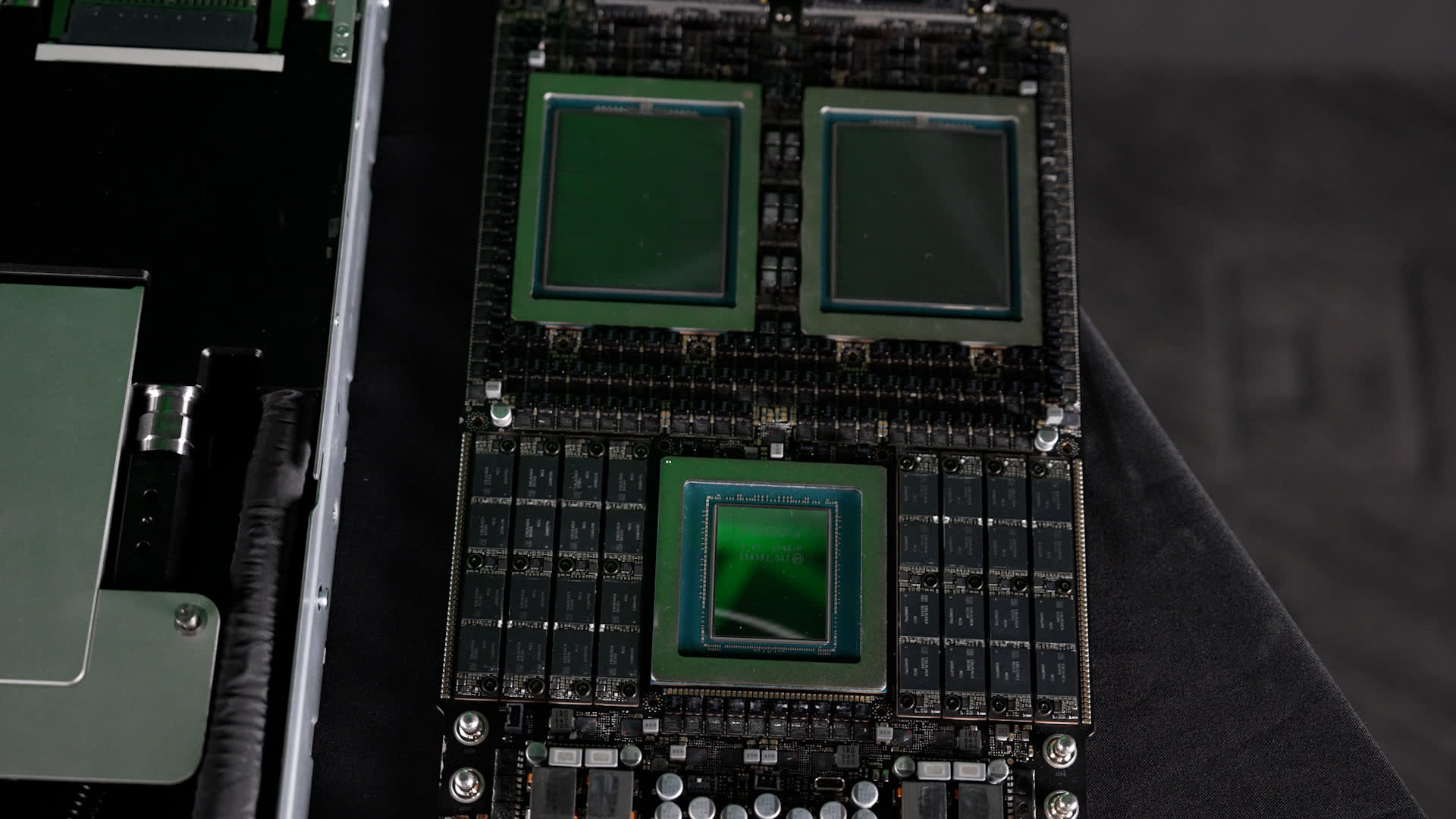
Nvidia showed CNBC its latest Vera Rubin superchip at its Santa Clara, California, headquarters on Feb. 13, 2026.
Marc Ganley | CNBC
The U.S. Department of Commerce on Sunday moved to close a year-old potential loophole it had created that may have led companies to export the world’s most advanced chips — like Nvidia’s most sophisticated Rubin and Blackwell processors, as well as AMD’s MI350x — to Chinese entities located outside China.
The unexpected guidance suggests that the United States’ best AI chips may have been making their way to the subsidiaries of Chinese AI firms based in places like Malaysia for almost a year, despite broader U.S. efforts to starve Chinese firms of the semiconductors needed to develop critical AI capabilities.
The new guidance was posted on the Commerce Department’s website on Sunday.
It is unclear how many of the chips have been exported in the year that the Trump administration left the door open. One chip industry source with deep supply-chain knowledge estimated it was in the hundreds of thousands.
In unusual weekend guidance, the Commerce Department said it would enforce license requirements for advanced chips to entities headquartered in China, even when the entities were located outside China.
The Commerce Department did not immediately respond to a request for comment.
Nvidia and AMD did not immediately respond to requests for comment.
The Commerce Department created the opening when it announced in May 2025 that it would not be enforcing the AI Diffusion rule issued in the last days of the Biden administration. The rule governed global access to AI chips.
Chris McGuire, a technology expert and former State Department official, said in a social media post on Sunday: “This is a HUGE problem.” He said the loophole allowed the overseas subsidiaries of Chinese companies to buy Nvidia Blackwell chips without a license.
“Chinese companies have been buying these chips, very likely at scale,” McGuire said.
In another twist, the new guidance does not require data centers to stop using the chips or to cut off service to advanced computing equipment such as servers.
<