

World Cup FAQ: What Are Yellow and Red Cards? What Are Accumulation Rules?
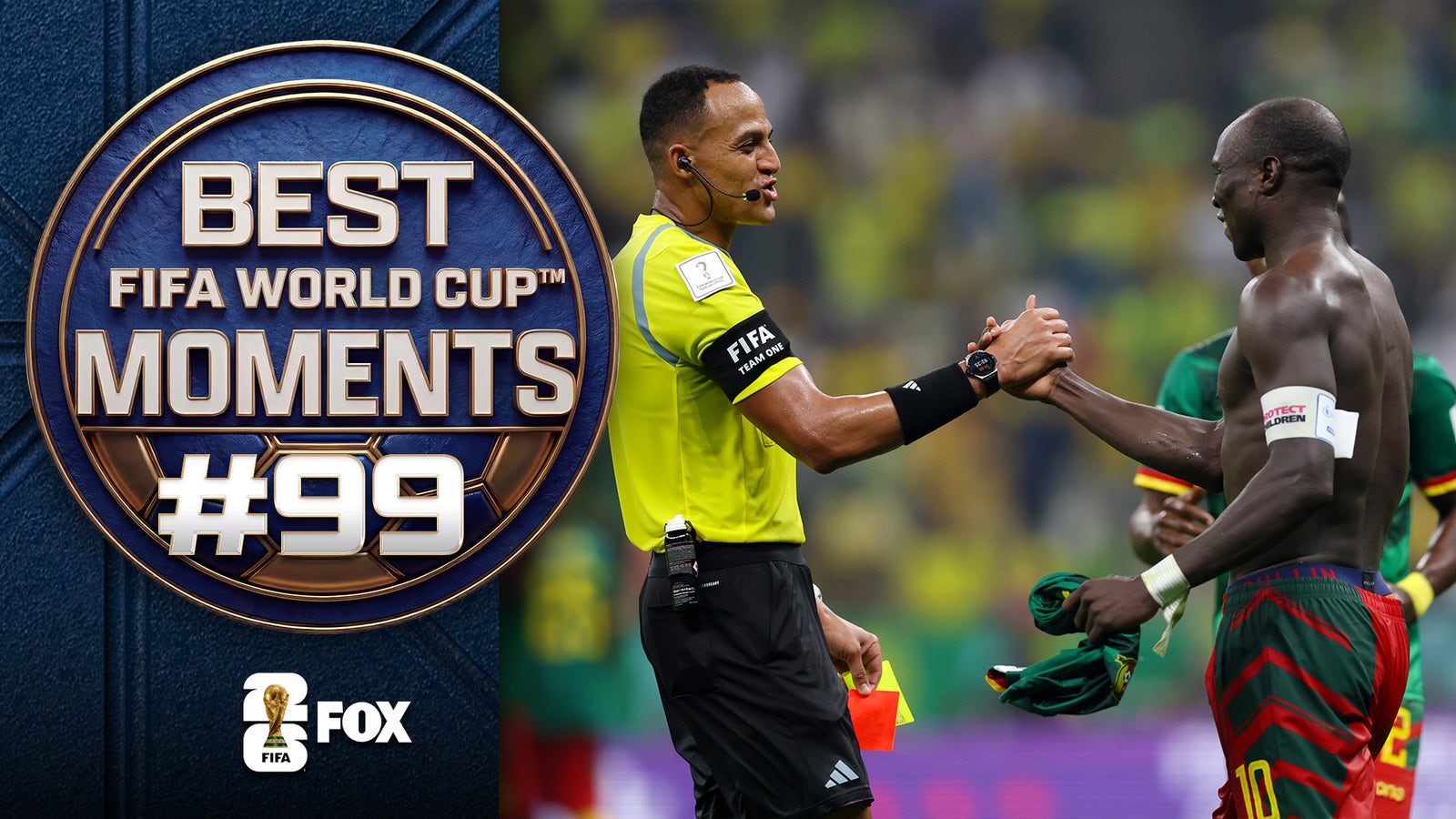
It’s a scene we’ve seen played throughout the history of the World Cup time and time again.
A hard foul by a player that sends his opponent writhing in pain onto the pitch. The referee races over, whistling frantically while players from both sides gather around to push and plead.
Sometimes the official gives just a stern verbal warning to the player involved. But sometimes that official pulls out either a yellow or red card, altering the course of a game. But what do these cards signify? And changes are in store for the World Cup? Let’s dive in.
When is a Yellow Card Given?
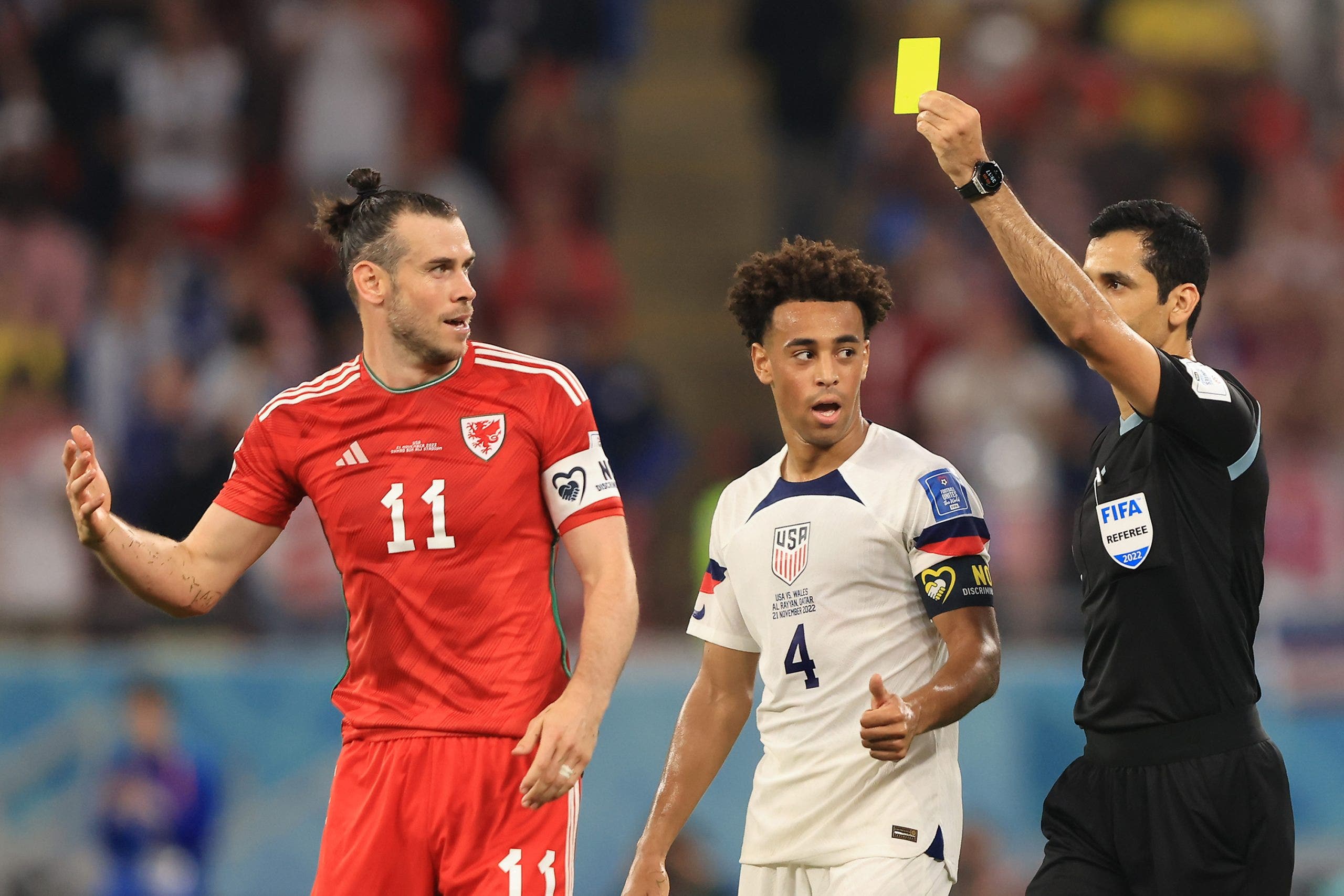
Photo by Marc Atkins/Getty Images)
A yellow card is a disciplinary measure used by the referee to caution (book) a player for a foul or offense. Yellow cards can be shown to anyone involved in the match – players, substitutes, personnel on the bench, coaches and other team officials. Think of this card as a caution sign, warning the player of their infraction. The referee shows the card, but the player stays in the game. Among the most common yellow-card offenses include:
– a reckless challenge on an opponent such as tripping, tackling, grabbing, or interfering during play;
– time-wasting or interfering with an opponent’s attack;
– denying the other team an obvious goal-scoring opportunity (also known as ‘DOGSO’);
– exaggerating being foul or diving after physical contact by an opponent;
– taunting or excessive celebration, including removing their shirt after scoring a goal;
What Happens When Someone Gets Two Yellow Cards?
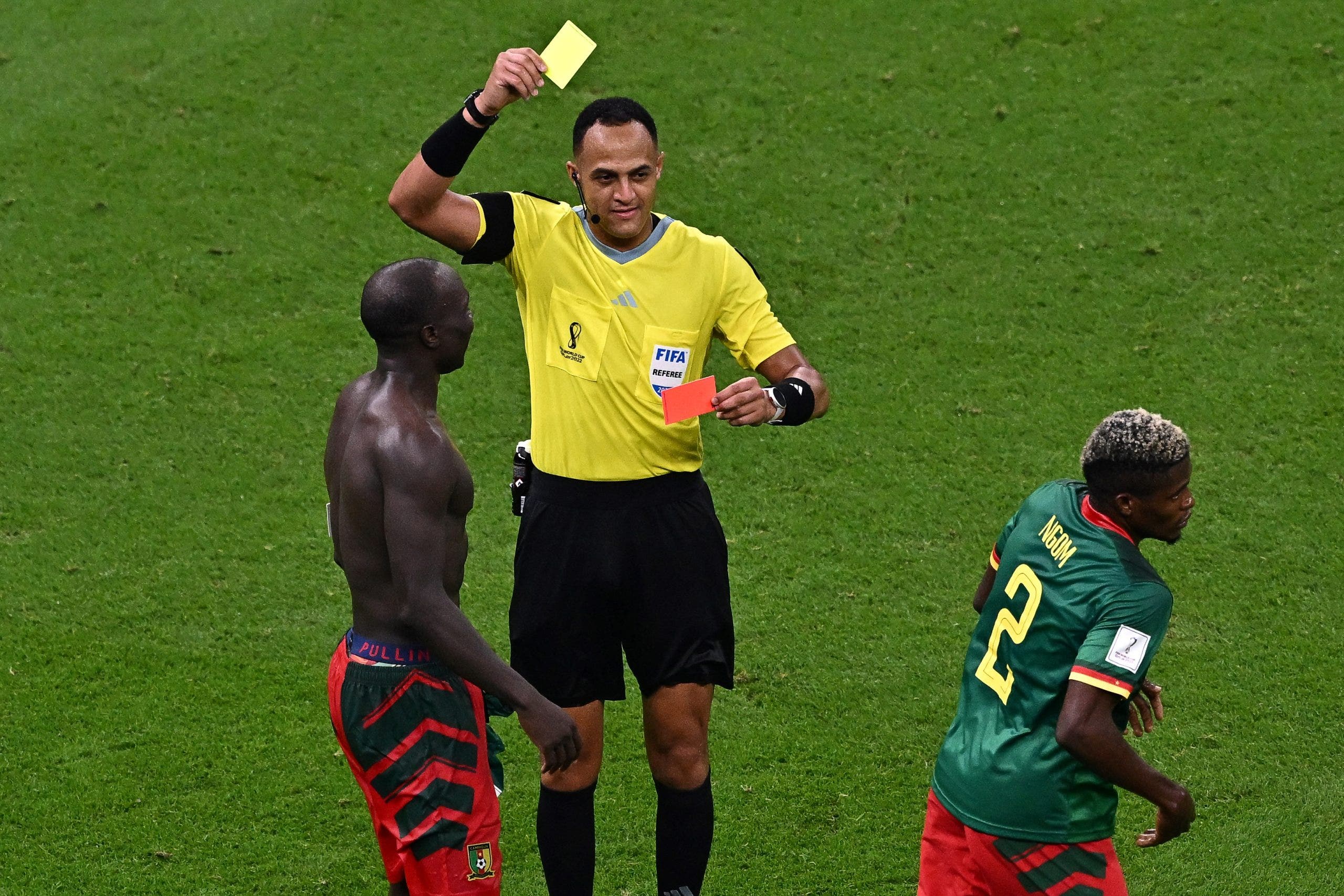
(Photo by ANNE-CHRISTINE POUJOULAT/AFP via Getty Images)
Two yellow cards equals one red card, which we will get to here momentarily. If a player gets two yellows in the same match, that means an automatic ejection from the match. The team must then play with one less player for the duration of the match. If it’s a coach or team official who gets two yellow cards, they must exit the sideline and can no longer be part of the game.
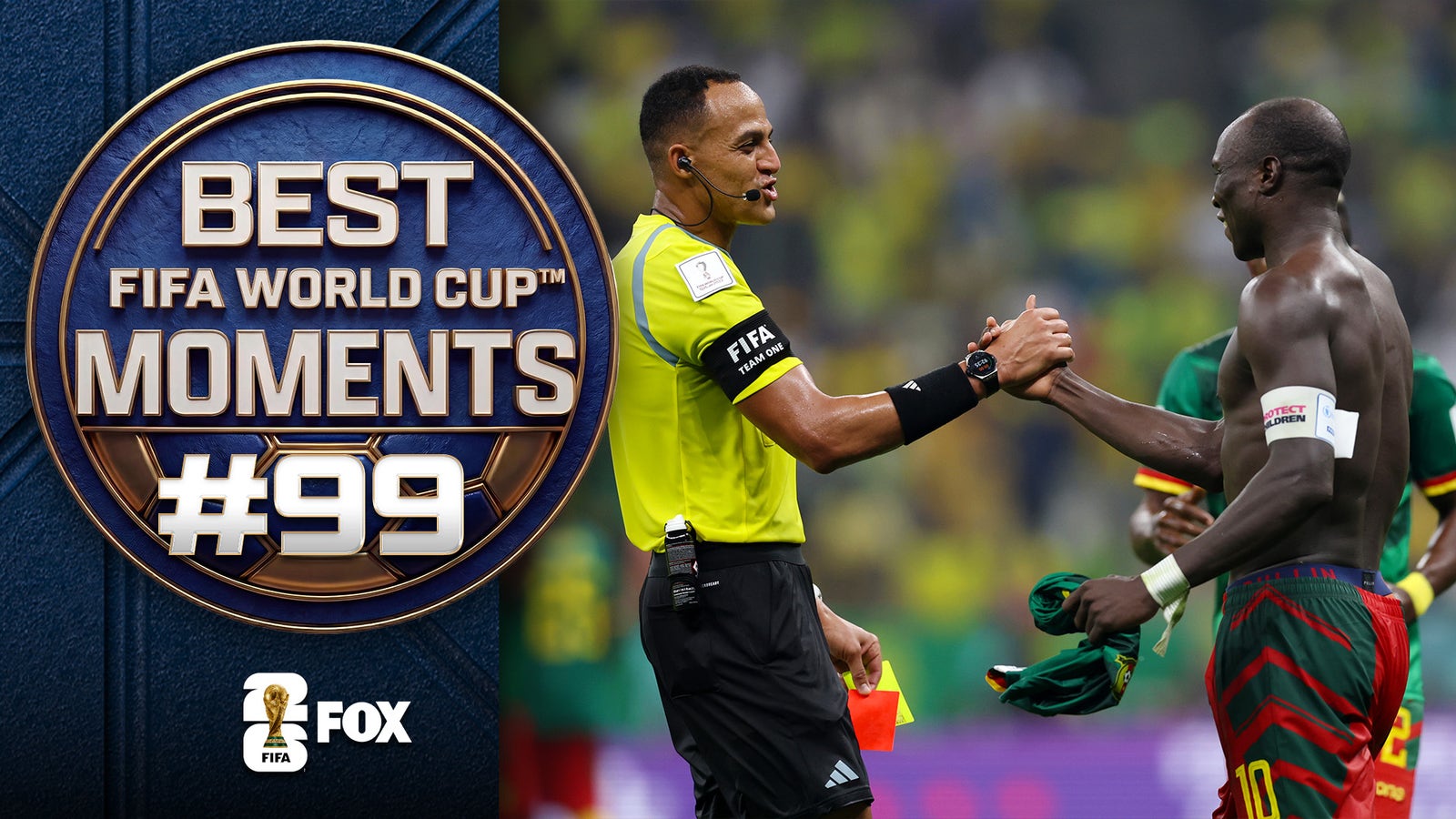
A Red Card to Remember 🟥 No. 99 in Best FIFA World Cup Moments
When is a Red Card Given?
Much like the yellow card, a red card is a disciplinary measure used by the referee. But it’s usually for a more serious or egregious foul. As previously said, any player or coach who is shown two yellow cards in a game is given an automatic red card and sent off. Infractions that often solicit a red card include:
– a serious or dangerous foul that goes beyond what a yellow card would be merited for;
– violent conduct (punching, kicking, biting, headbutting, etc.) or spitting on an opponent;
– language or behavior in a manner that is offensive, insulting or abusive.
Another act that merits a red card is stopping an obvious scoring opportunity with your arms or hands.
Does the Red Card Mean Dismissal and Automatic Suspension?
Ronaldo knew EXACTLY what he did 👀 No. 72 in Best FIFA World Cup™ Moments 🏆
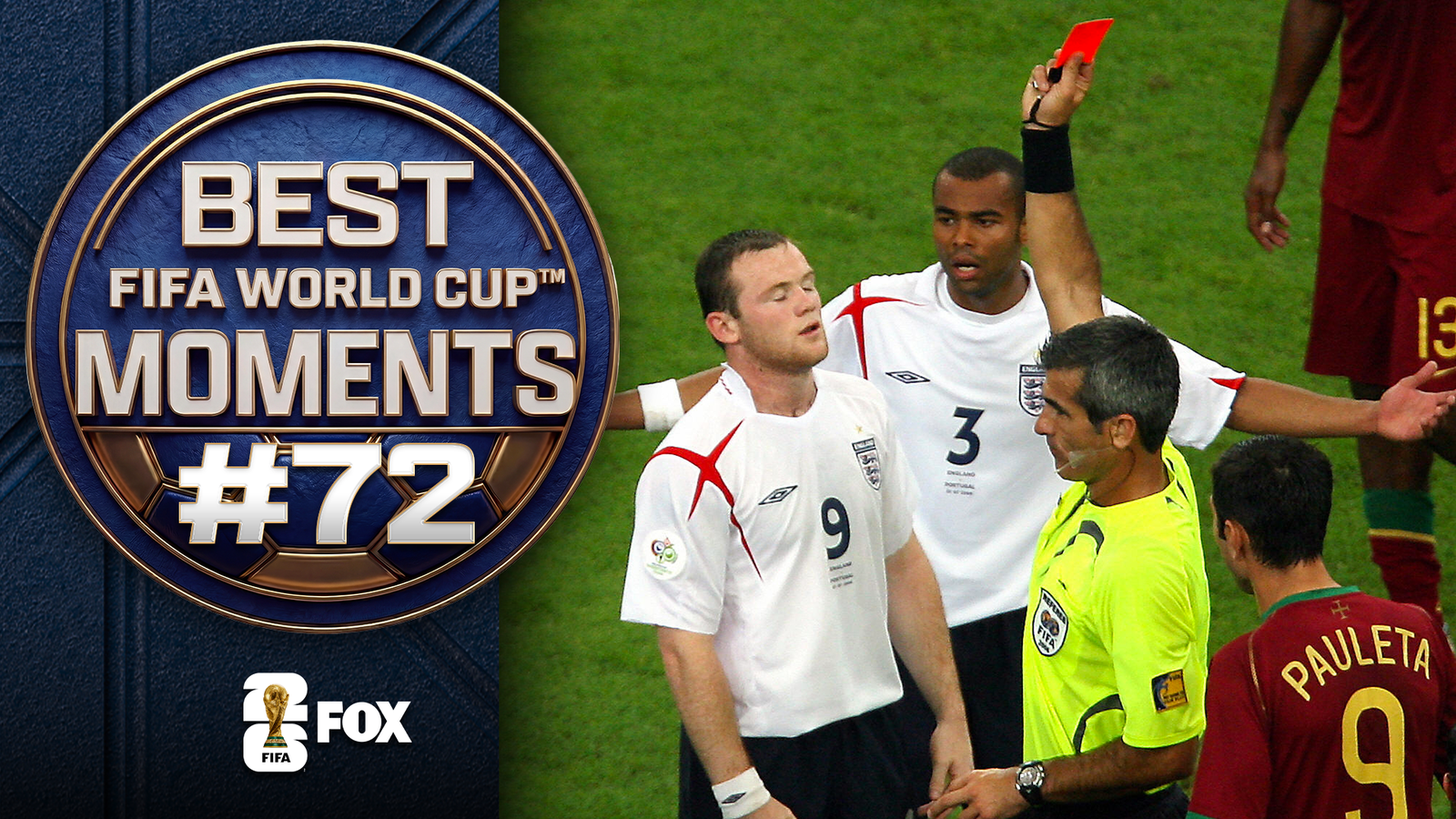
If a player gets a red card, that means an automatic ejection from the match. The team must then play with one less player for the duration of the match. A red card also carries over into the next match and that player must also sit out the next match. This also applies to any coach or team official who is given a red card.
Obviously, a red card puts a team in a tough spot since it won’t be able to count on that player for not just the match where it occurred, but also for the next one – which could have dire consequences in a tournament setting like the World Cup.
During the World Cup, What is Yellow Card Accumulation?
Current World Cup regulations state that if a player gets two yellow cards, even in different matches, that would result in a one-match suspension. For example, if a player got a yellow card in one group-stage match and then accumulated another in a quarterfinal game, he’d have to sit out a semifinal match. Only until after the World Cup quarterfinal round could a player see their yellow card accumulation wiped away ahead of a semifinal or final match.
Is the Yellow Card Accumulation Rule Changing for the 2026 World Cup?
Multiple outlets reported on April 27 that FIFA will be changing how yellow card accumulation works at this summer’s tournament due to the expanded 48-team format. Now, there will be two “amnesty” stages where yellow cards will be wiped away – at the end of the group stage and after the quarterfinal rounds.
The addition of a Round-of-32 stage meant that a player would have to navigate six games (three group-stage games, the Round of 32, the Round of 16, the quarterfinal) before seeing their yellow card accumulation wiped away.
Now there will be two times a player will get a clean slate and thus not have to risk being suspended for a key knockout-round game just for getting two yellow cards.
With two amnesty periods, a player will only trigger the suspension for yellow card accumulation by getting two bookings over the three group-stage games, or two across the first three rounds of the knockouts preceding the semifinals.
<